The Atbarah Bridge is one of those quiet, unassuming landmarks that tells a story far bigger than itself. Stretching across the Atbarah River, a tributary of the Nile, this steel structure has stood for nearly a century, connecting not just two banks but also the past and present of Sudan. It’s not the kind of place that draws crowds of tourists or makes it onto glossy postcards, but for those who pass over it—or pause to look at it—it offers a glimpse into the country’s layered history and the everyday rhythms of life along the river.
Built in the 1920s during the Anglo-Egyptian condominium, the bridge was part of a broader effort to modernize Sudan’s infrastructure under British administration. The design is functional rather than grand, a series of steel trusses supported by concrete piers, sturdy enough to handle the weight of trains and later, as the years went on, the steady flow of trucks, cars, and pedestrians. At the time, it was a symbol of progress, a tangible sign that the region was being woven into a larger network of trade and movement. The Atbarah River itself has always been a vital artery, carrying water from the Ethiopian highlands down to the Nile, and the bridge made it easier for people and goods to cross during the rainy season when the river swelled.
Today, the bridge is still very much in use, though its role has shifted with the changing needs of the area. The railway line that once ran across it is now less prominent, but the road remains a critical link for local communities. Trucks laden with goods rumble over it, heading toward Port Sudan or Khartoum, while farmers and merchants use it to reach markets on either side. On foot, you might see women balancing baskets of produce on their heads, children darting across on their way to school, or men gathered in small groups, chatting as they watch the water flow beneath. The bridge isn’t just a crossing; it’s a meeting point, a place where the pace of life slows just enough for conversations to unfold.
The river below is a world of its own. During the dry season, the Atbarah shrinks to a narrow, muddy channel, exposing sandbanks where cattle graze and children play. But when the rains come, it transforms into a powerful, rushing force, its waters dark and swift. The bridge’s piers stand firm against the current, a testament to the engineering of its time. Locals know the river’s moods well—when it’s safe to wade across, when the fish are biting, or when the water is high enough to make crossing the bridge the only option. For outsiders, the river’s changing character is one of the most striking things about the area, a reminder of how deeply life here is tied to the land and its cycles.
Around the bridge, the town of Atbarah has grown up in its own unhurried way. It’s not a place that feels like it’s trying to impress anyone. The streets are lined with low-slung buildings, some of them dating back to the colonial era, their facades weathered by the sun and wind. There are small shops selling tea, spices, and household goods, their owners often sitting outside, watching the world go by. The railway station nearby, though quieter than it once was, still has a certain faded charm, its platforms occasionally bustling when a train arrives. The town doesn’t have the grand monuments of Khartoum or the ancient ruins of Meroë, but it has a lived-in feel, a sense that life here has been unfolding in much the same way for generations.
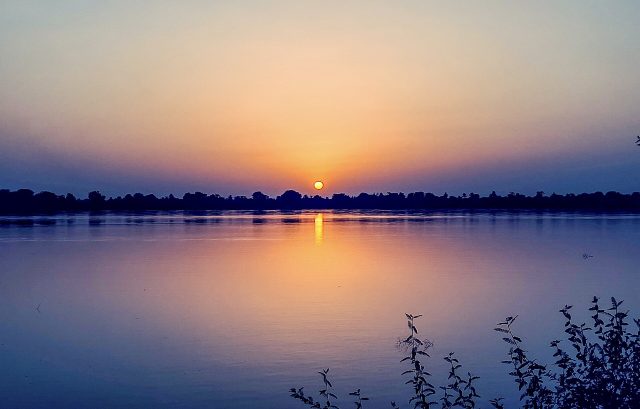
For those who take the time to stop, the bridge offers more than just a way across the river. It’s a place to observe the small details that make up daily life in Sudan. Early in the morning, the air is cool, and the light has a soft, golden quality as fishermen cast their nets into the water. By midday, the heat shimmers off the steel girders, and the sound of traffic mixes with the calls of vendors selling fresh fruit or cold drinks. In the evening, as the sun dips below the horizon, the bridge is bathed in a warm glow, and the river reflects the last traces of daylight. It’s a scene that feels timeless, as if the bridge has always been here, quietly holding together the pieces of a landscape that is constantly changing yet somehow always the same.
The Atbarah Bridge isn’t the kind of place that demands attention, but it rewards those who give it. It’s a reminder that history isn’t just found in grand palaces or ancient ruins—sometimes, it’s in the steel and concrete of a bridge that has seen decades of use, in the stories of the people who cross it every day, and in the river that flows beneath, carrying with it the memories of all who have come before. For travelers passing through, it’s worth pausing for a moment, leaning against the railing, and watching the water rush by. In that quiet act, you might just catch a glimpse of something deeper, something that connects the past to the present in a way that only a place like this can.