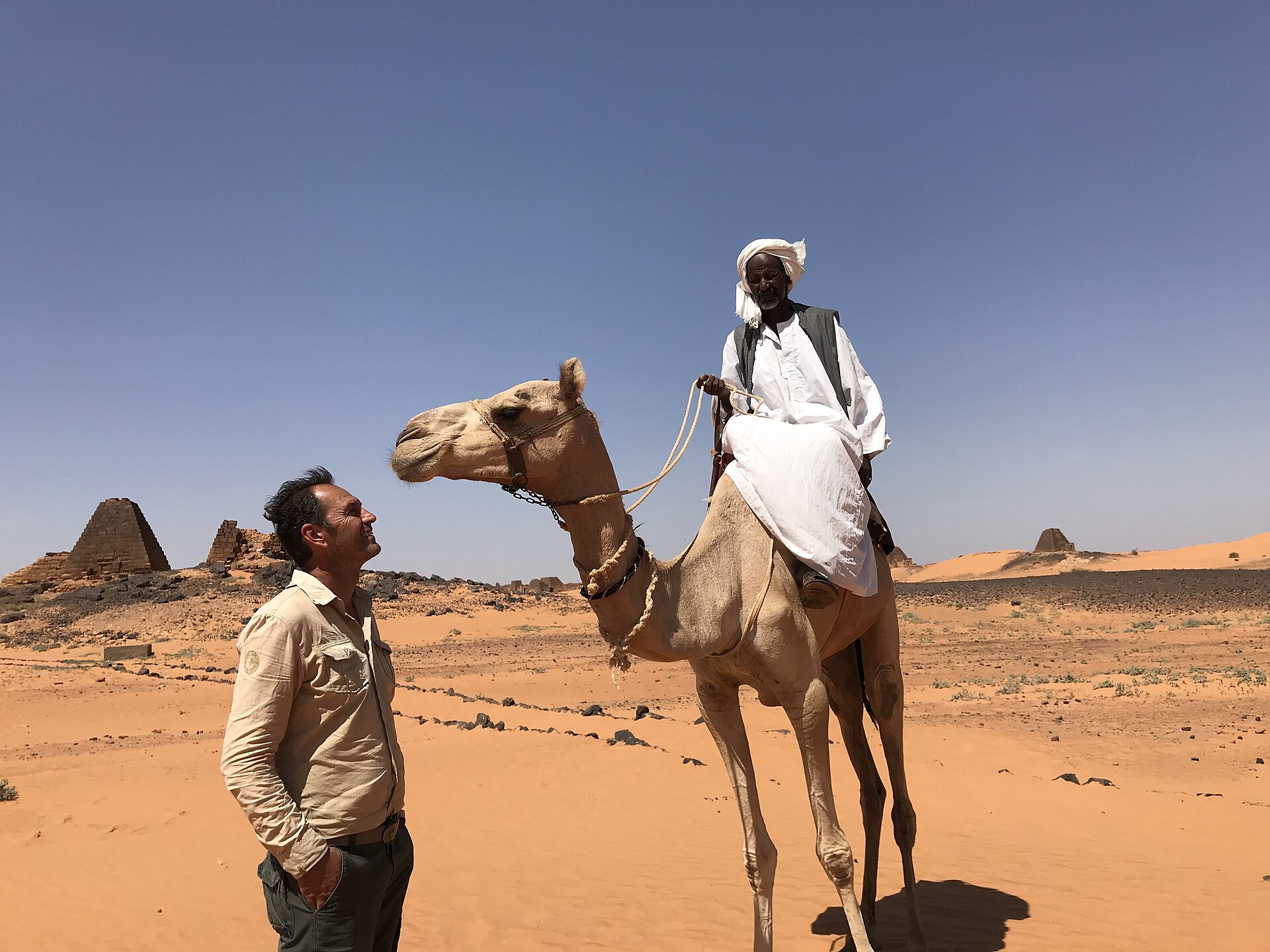
The pyramids of Meroë rise from the desert like the remnants of a dream half-remembered. Far from the well-trodden paths of Egypt’s more famous monuments, these ancient structures stand in the heart of Sudan, a few hours’ drive from the dusty town of Atbarah. They were once the beating heart of the Kingdom of Kush, a civilization that flourished long before the world beyond the Nile took notice. Today, they remain as quiet sentinels of a forgotten empire, their sharp silhouettes cutting against the endless sky.
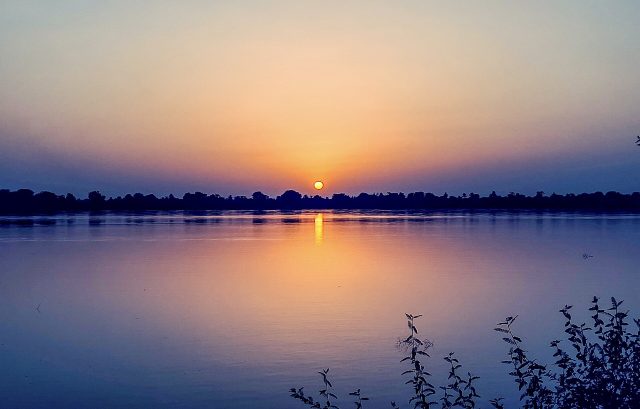
Unlike the grand tombs of Giza, Meroë was never just a necropolis. It was a thriving capital, sprawled along the banks of the Nile, where temples, palaces, and residential quarters once hummed with life. The pyramids here are smaller than their Egyptian counterparts, but no less striking. Built from reddish sandstone, their steep, narrow profiles catch the light in a way that makes them seem almost alive at dawn or dusk, when the sun paints the desert in shades of amber and rose. Inside, the walls of some tombs still bear faded paintings and carvings—gods with the heads of lions, kings in ceremonial dress, scenes of daily life that offer glimpses into a world that has otherwise vanished.
Meroë’s story is one of power, ambition, and resilience. The Kingdom of Kush, which ruled these lands, was a rival to Egypt for centuries. In the 8th century BCE, Kushite kings even conquered Egypt itself, establishing the 25th Dynasty—sometimes called the "Black Pharaohs." But their reign was short-lived. Driven back by the Assyrians, the Kushites retreated to Nubia and made Meroë their new capital. Here, they built an empire fueled by trade in gold, ivory, and slaves, developing their own script and culture. The Meroitic alphabet, still only partially deciphered, remains one of history’s lingering mysteries.
What makes Meroë’s architecture so fascinating is its blend of influences. Egyptian motifs mingle with Greek and local Nubian styles, creating something entirely unique. The pyramids weren’t just for royalty—nobles and even commoners were buried in them, though on a smaller scale. The temples, particularly those dedicated to Amun and the lion-headed god Apedemak, are among the most impressive structures, their columns and reliefs hinting at a rich religious life. Unlike the more rigid forms of Egyptian temples, Meroë’s buildings often feel more dynamic, as if the very stones were shaped by the rhythms of a different kind of worship.
Visiting Meroë today is a lesson in solitude. There are no crowds here, no vendors hawking souvenirs, no tour buses lining the horizon. The silence is broken only by the wind and the occasional cry of a bird. For most travelers, this is part of the appeal. The site feels untouched, as if the past is still lingering just beneath the surface. The local people, who live in nearby villages, treat the ruins with quiet respect, but without the reverence of outsiders. To them, Meroë is simply part of the land, a place where history and daily life coexist.
The climate here is harsh. Days can be scorching, while nights turn cool, sometimes even cold. The best time to visit is between November and February, when the temperatures are more forgiving. Getting here isn’t easy—there are no direct flights or trains. Most travelers make the journey by car from Khartoum or Atbarah, a trip that takes several hours along rough roads. But those who make the effort rarely regret it. There’s something about standing among these ruins, far from the noise of the modern world, that makes the past feel almost tangible.
Meroë isn’t just a collection of old stones. It’s a place where history breathes. You can almost hear the echoes of priests chanting in the temples, the murmur of merchants haggling in the markets, the laughter of children playing in the streets. Of course, none of that remains—just the ruins, the sand, and the wind. But that’s enough. The emptiness, the stillness, the sense of being somewhere untouched by time—it’s what makes Meroë special. Here, the past isn’t just remembered; it’s felt. And for those who come seeking more than just a photograph, that’s the real draw.