Montaza is one of those rare places in Alexandria where history, nature, and architecture blend so seamlessly that time seems to move at its own pace. Perched along the Mediterranean coast, this sprawling complex of palaces and gardens once served as the summer retreat for Egypt’s royal family. Today, it remains a quiet escape for anyone looking to wander shaded pathways, admire grand buildings, or simply watch the sea at sunset, when the light softens the white stone and the water takes on a golden hue.
The story of Montaza begins long before the palaces stood here. The first structure on this site was a modest hunting lodge built in the late 19th century by Khedive Abbas II, a ruler whose legacy is often overshadowed by the more flamboyant figures who followed. When Egypt became a kingdom in the early 20th century, King Fuad I transformed the estate into a proper royal residence, expanding it into the elegant complex we see today. The main palace, Salamlek, is a study in contrasts—Ottoman arches meet Italian Renaissance details, while European influences weave through the design. The result is a building that feels both imposing and airy, its high ceilings and latticed balconies catching the sea breeze as if designed for it.
The gardens of Montaza are a world unto themselves, stretching along the coastline in a mix of cultivated beauty and wild charm. There are manicured lawns and flowerbeds, but also untamed corners where bushes grow thick and old trees cast long shadows. Palms sway alongside eucalyptus and figs, some planted over a century ago, their roots tangled in the earth like the layers of history beneath them. A few small ponds dot the landscape, connected by arched bridges, and at the water’s edge, a narrow beach offers a place to sit and listen to the waves. On weekends, Alexandrians come here to picnic or nap in the shade, their voices blending with the rustle of leaves and the distant hum of the city.
Not far from Salamlek stands the smaller but equally striking Haramlek Palace. Built later, it borrows from Venetian villas and Moorish design, its arched windows and intricate tilework evoking the grandeur of a bygone era. Today, the palace houses a museum, its rooms filled with photographs, furniture, and personal effects of Egypt’s royal family. The collection isn’t vast, but it offers a glimpse into the private lives of the monarchy—how they dressed, what they read, the gifts they exchanged. The exhibits feel intimate, almost like stepping into someone’s home rather than a formal display.
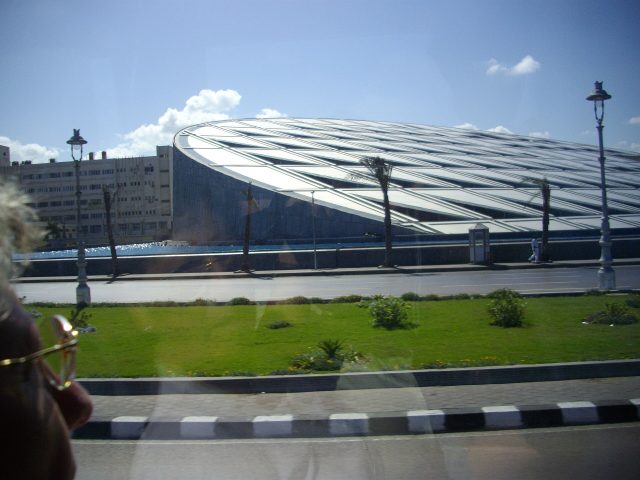
What makes Montaza special is the way it preserves the spirit of old Alexandria without feeling like a relic. Unlike the crowded Corniche or the tourist-packed cafés near the Bibliotheca Alexandrina, this place moves at a slower rhythm. In the mornings, locals jog along the waterfront or sip tea under the trees. By evening, the park glows with the warm light of streetlamps, their reflections dancing on the water. There are no tour groups here, no vendors hawking souvenirs—just the quiet hum of life carrying on as it has for decades.
The Mediterranean at Montaza isn’t the postcard-perfect blue of the Red Sea resorts. The water here is cooler, the waves gentler, and the shore lined with pebbles rather than sand. Swimming isn’t particularly inviting—rocks and uneven footing make it tricky—but that doesn’t stop people from wading in or simply sitting by the water’s edge. Fishermen sometimes pull their boats onto the beach, their nets spread out to dry in the sun. If you’re lucky, you might catch the scent of fresh catch being prepared over an open fire, a small reminder of the city’s enduring connection to the sea.
Montaza feels like a place where history isn’t just remembered but still lingers. Walking through the gardens, it’s easy to imagine the royal receptions that once took place here—the clink of glasses, the murmur of conversation, the rustle of silk gowns. Now, the only sounds are the wind in the trees and the occasional laughter of children playing. The park occasionally hosts cultural events or exhibitions, but even on quiet days, there’s a sense of something unfolding just beneath the surface. It’s the kind of place that invites you to slow down, to notice the details—the way the light filters through the leaves, the salt in the air, the weight of the past in the stones underfoot.
For visitors who come to Alexandria seeking more than just ancient ruins, Montaza is a must. It offers a different side of Egypt, one that isn’t polished for tourists or packaged for brochures. There are no luxury hotels here, no neon-lit restaurants—just the quiet beauty of a place that has seen generations come and go. It’s a reminder that history isn’t just about grand monuments or famous names; sometimes, it’s in the way the sea breeze carries the scent of jasmine, or how an old palace still stands, its walls holding stories no one has bothered to write down. Montaza doesn’t demand attention. It simply waits, patiently, for those who are willing to listen.