The Tumucumaque Mountains National Park is one of Brazil’s best-kept secrets, a place where the country reveals a side most travelers never see. Far from the familiar images of Rio’s beaches or the endless Amazon lowlands, this remote corner of Amapá state feels like stepping into another world entirely. Here, the landscape is dominated by rugged peaks and deep valleys, a terrain so untouched it could have been lifted from the pages of an old adventure novel. The park sits at Brazil’s northern edge, where the borders of French Guiana and Suriname blur into the wilderness, creating a sense of isolation that’s rare in today’s connected world.
These mountains are part of the ancient Guiana Shield, one of the oldest geological formations on Earth, with rocks dating back billions of years. Over time, wind and water have sculpted the stone into dramatic shapes—sheer cliffs, narrow canyons, and flat-topped mesas that seem to defy gravity. The highest point, Mount Tumucumaque, rises just over 700 meters, a modest elevation by some standards but one that feels monumental when you’re standing at its base. The sheer age of these formations gives the place a timeless quality, as if the land itself remembers a time before humans, before continents even settled into their current shapes.
Established in 2002, the park was created to protect one of the most biodiverse regions in South America. Within its boundaries, several distinct ecosystems converge: dense rainforests, open savannas, and high-altitude grasslands. This variety supports an astonishing array of life. Orchids and bromeliads cling to trees in the humid lowlands, while rare, endemic plants thrive in the rocky highlands. Wildlife here is just as diverse—jaguars prowl the underbrush, giant anteaters shuffle through the leaves, and tapirs move silently along riverbanks. Birdwatchers will find plenty to marvel at, from the vivid plumage of macaws to the imposing wingspan of harpy eagles.
For the indigenous Wajãpi and Apalaí peoples, the Tumucumaque Mountains have always been sacred. They believe the peaks are home to ancestral spirits and serve as gateways to other realms. Archaeological evidence supports their deep connection to the land, with rock paintings, stone tools, and remnants of ancient settlements scattered across the region. These artifacts tell the story of cultures that thrived here long before European contact, and today, some of these communities still live in the park’s vicinity, preserving traditions passed down through generations.
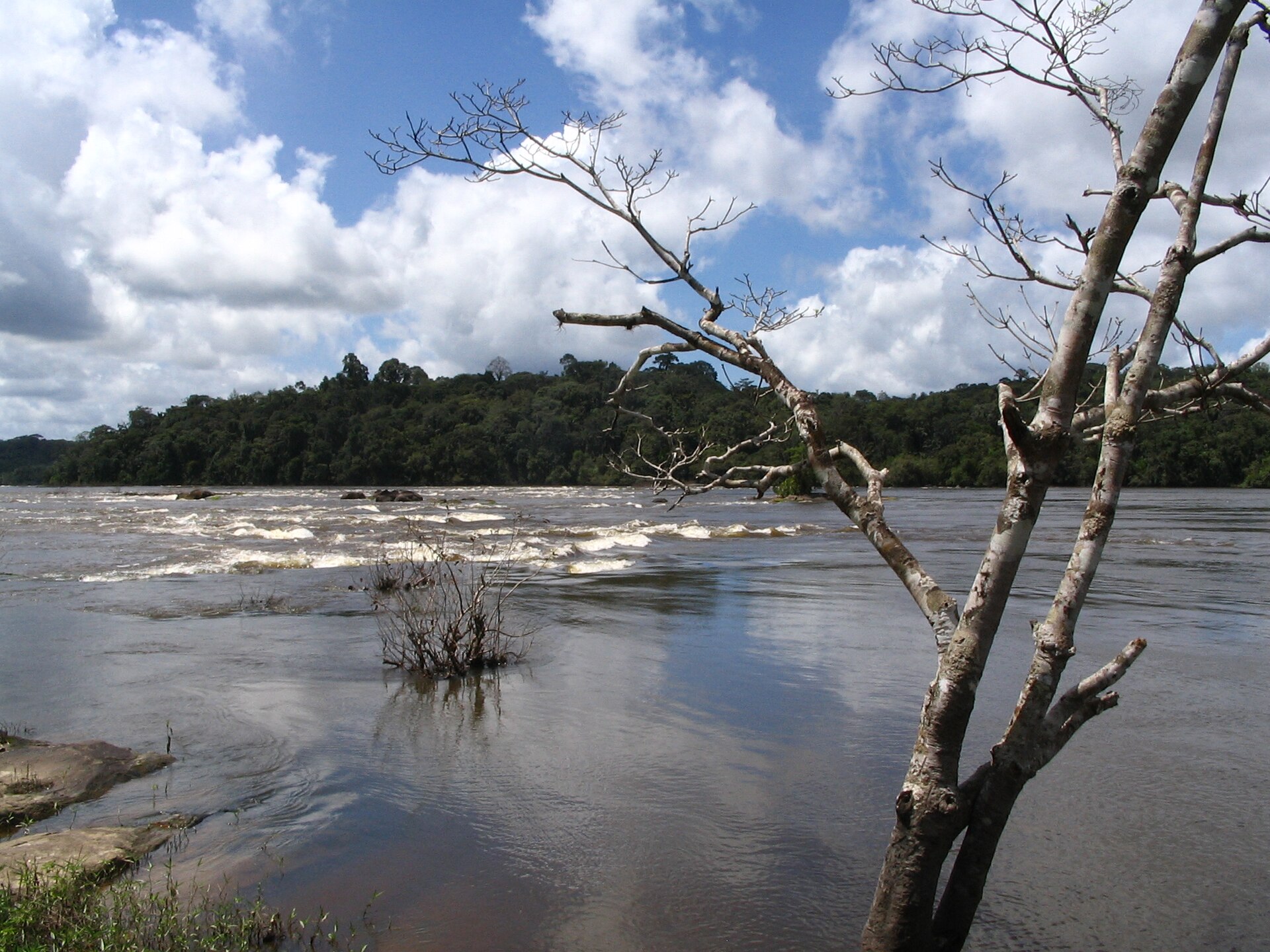
Reaching Tumucumaque is no easy feat. There are no paved roads leading here, no tourist buses or crowds of visitors. The journey begins with a flight to Macapá, the capital of Amapá, followed by a long, bumpy ride over dirt roads or a slow boat trip along winding rivers. During the rainy season, from December to June, many routes become impassable, and rivers swell beyond their banks. Those who make the effort are rewarded with a glimpse of Brazil as it once was—wild, untamed, and largely free from human interference.
For the adventurous, the park offers multi-day treks through its rugged interior. There are no marked trails here, no signs pointing the way. The weather shifts rapidly, with sunshine giving way to sudden downpours and mist rolling in to obscure the peaks. It’s this unpredictability that makes the experience so compelling. At night, the sounds of the forest come alive—the distant calls of howler monkeys, the rustle of leaves, the occasional roar of a jaguar. On clear nights, the stars feel impossibly close, unobstructed by light pollution or the haze of civilization.
Despite its remoteness, Tumucumaque is slowly gaining recognition among eco-tourists. Small, sustainable camps have begun to appear, offering basic accommodations for those willing to rough it. Local guides, many of them from indigenous communities, lead excursions through the forests and along the rivers, sharing their knowledge of the land’s plants, animals, and legends. They know where to spot rare birds, how to find clean water sources, and which paths are safest to follow. Their presence ensures that visitors experience the park in a way that’s respectful to both the environment and its original inhabitants.
What makes Tumucumaque special isn’t just its natural beauty, but the way it forces you to slow down and pay attention. There are no hotels, no restaurants, no distractions—just the raw, unfiltered reality of the wilderness. It’s a place that reminds you how small humans are in the grand scheme of things, and how much we’ve lost in our rush to tame the natural world. For those who make the journey, it’s not just a trip to another part of Brazil, but a step back in time, to a place where nature still sets the rules.