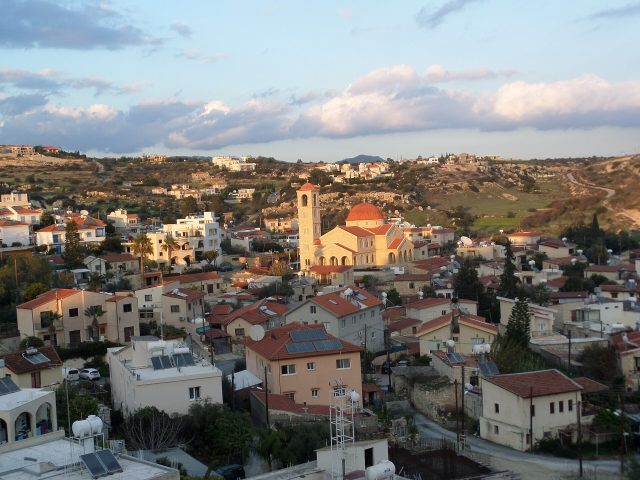
Perched on a hill between Limassol and the ruins of Amathus, the Monastery of Saint George Alamanou is a place where time moves differently. The road here twists through olive groves and vineyards, narrow and slow, as if testing the resolve of those who come. No crowds, no tour buses—just the occasional bell and the wind through the trees. The monastery is small, its low stone walls almost hidden in the landscape, yet it holds a presence that feels larger than its size. History isn’t something you read about here; it’s something you breathe.
The origins
The monastery’s beginnings are as unclear as the legends that surround it. The earliest records date it to the 12th century, under Byzantine rule, but local stories suggest it could be older. Tradition says a hermit named George Alamanos found a miraculous icon of Saint George in a nearby cave. The icon, believed to heal, became the monastery’s heart, drawing pilgrims who left offerings of oil and flowers. The name Alamanou—"German" in Greek—adds to the mystery. Some think it refers to a foreign monk who once lived here; others call it a quirk of folklore. The truth is lost, but the name remains.
The architecture
The buildings here are simple, built for purpose, not display. The main church, with thick stone walls and low ceilings, feels like a shelter against time. Inside, the space is unadorned: a dark wooden iconostasis, flickering lamps, and frescoes softened by centuries. Saints and biblical scenes are still visible, their edges blurred by age. The icon of Saint George sits near the altar, still visited by those who pray before it. No ceremony, just quiet reverence that has outlasted wars and occupations.
Saint George Alamanou was never wealthy or powerful. That may be why it survived the Ottoman period, when many Christian sites were destroyed. By the 19th century, it was crumbling, its community nearly gone. Restoration came in the mid-20th century, done carefully to keep its age intact. Today, a few monks live here, following the rhythms of prayer, work, and silence. They tend gardens, repair walls, and welcome visitors with quiet hospitality. No guesthouses or shops—just a refectory where you can sit with a cup of coffee or tea, served in clay cups.
The landscape
The hills around the monastery roll toward the sea, covered in olive trees and wild herbs. Thyme and rosemary scent the air. Narrow paths lead to abandoned wells and old farmhouses, their stones worn smooth. On clear days, the Mediterranean glows in the distance. At dusk, the sky turns gold and pink, stretching shadows over the hills. Locals say foxes and hares still roam here, though you’re unlikely to see them. Most who come aren’t looking for wildlife—they’re drawn by the silence, the feeling of being somewhere untouched.
What makes this place different? No guided tours, no trinket shops. The monastery exists as it always has, not as a relic, but as part of the island’s life. The road here feels like a threshold—once you leave the highway, the outside world fades. Those who come usually seek something beyond the usual: a moment of quiet, a connection to the past, or just a break from noise.
In recent years, the monastery has begun to draw a new kind of visitor—historians, artists, travelers curious about Cyprus’s hidden corners. Small groups sometimes gather for talks about its history and legends. But even these feel more like conversations than lectures. The real draw isn’t the stories; it’s the atmosphere. The past and present exist side by side here, unconflicted. Monks go about their routines, the wind moves through the olive leaves, and the sea glimmers in the distance.
Why do people return? Not for grand monuments or dramatic views. This place offers something quieter—the chance to sit on a sun-warmed bench and watch light shift across the hills, or to listen to a distant bell and feel, just for a moment, that the world has paused. In a time when so many places are overrun, this monastery remains a pocket of stillness, a reminder that some things resist the rush for a reason.