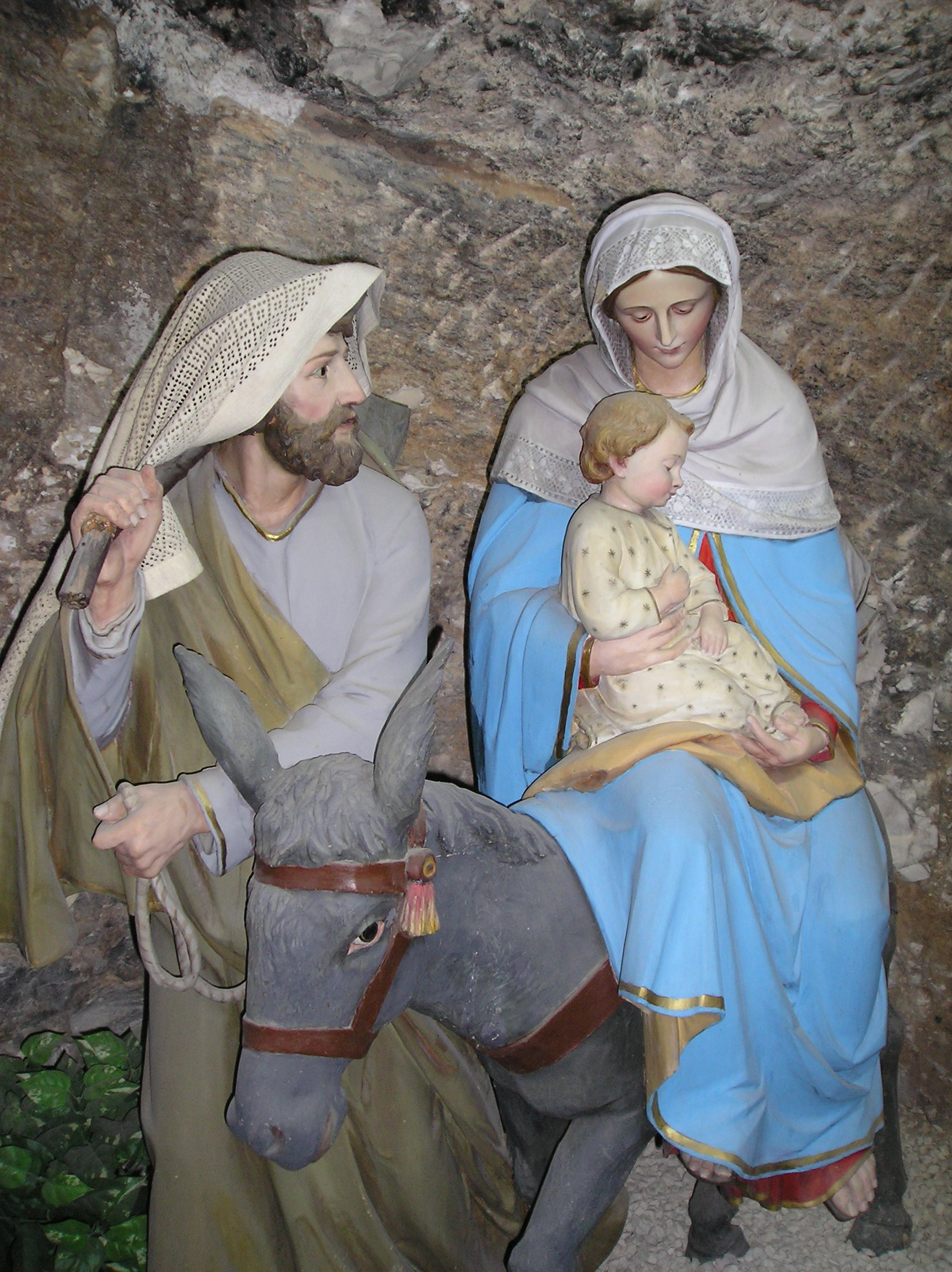
The Grotto of the Milk in Beit Sahour is one of those places where history, faith, and everyday life blend so seamlessly that it’s hard to tell where one ends and the other begins. Tucked away near Bethlehem, this small cave has drawn pilgrims and travelers for centuries, each arriving with their own reasons for seeking it out. According to tradition, the Holy Family took refuge here during their flight into Egypt, escaping King Herod’s wrath. It’s said that while sheltering in the cave, the Virgin Mary nursed the infant Jesus, and a few drops of her milk fell onto the stone, turning the rock white. For believers, this moment imbued the place with a sacred power, and the soft, chalky powder scraped from its walls has long been carried away as a symbol of healing and protection.
The grotto itself is modest in size, its dim interior lit only by the flicker of oil lamps and the candles left by visitors. The walls are pale, almost luminous in the half-light, their color explained by geologists as the result of soft limestone that crumbles easily. For those who come here in faith, though, the scientific explanation matters less than the sense of connection to something beyond the ordinary. Women from all over the world visit to pray for the health of their children, for safe childbirth, or simply for comfort. Some leave behind handwritten notes with their hopes and fears, while others take a pinch of the white powder, believing in its power to bring blessings.
Beit Sahour, the town where the grotto is located, carries its own deep ties to biblical history. Its name, which translates to House of Vigilance, refers to the legend of the shepherds who were the first to hear of Christ’s birth from an angel. The town’s narrow streets and low, flat-roofed houses make it easy to imagine life as it might have been two thousand years ago. Unlike nearby Bethlehem, Beit Sahour sees fewer tourists, which gives it a quieter, more authentic feel. The locals are warm and welcoming, especially to those who show genuine interest in the area’s past.
The entrance to the grotto is marked by a simple arch, above which rises the bell tower of a 19th-century Franciscan monastery. Though small, the monastery plays an important role in the local Christian community, hosting services and gatherings, particularly during religious holidays. The grotto becomes especially crowded around Christmas and Epiphany, when pilgrims come to honor the events that shaped the foundations of Christianity.
What sets the Grotto of the Milk apart from other holy sites in Palestine is its intimacy. There are no grand frescoes or golden altars here, nothing like the ornate churches of Jerusalem or Bethlehem. Instead, there’s only silence, the soft glow of candlelight, and the quiet sense of standing in a place that has witnessed something ancient and deeply human. It’s this simplicity that draws people back, time and again.
For many pilgrims, the grotto is just one stop on a longer spiritual journey. Some visit after paying their respects at the Church of the Nativity in Bethlehem, while others come before continuing on to Jerusalem. But even those who don’t share the Christian faith often feel the weight of the place. There’s something about it that invites reflection—on motherhood, on protection, on the fragility of life itself.
Beit Sahour isn’t just a pilgrimage site; it’s a living town with its own rhythms and traditions. The area is known for its crafts, from intricate embroidery to pottery and olive oil production. The local markets don’t just sell souvenirs; they offer handmade goods that reflect the skill and creativity of the artisans who live here. In the evenings, when the heat of the day fades, neighbors gather in the streets to share coffee and conversation.
If you visit the Grotto of the Milk, it’s best to come in the early morning or late afternoon, when the light is soft and the crowds are thinner. There’s no entrance fee, though donations for the upkeep of the monastery are appreciated. Once inside, take your time. This isn’t a place to rush through. Some come seeking answers, others just a moment of quiet. Many leave feeling as though they’ve touched something timeless, something that lingers long after they’ve gone.