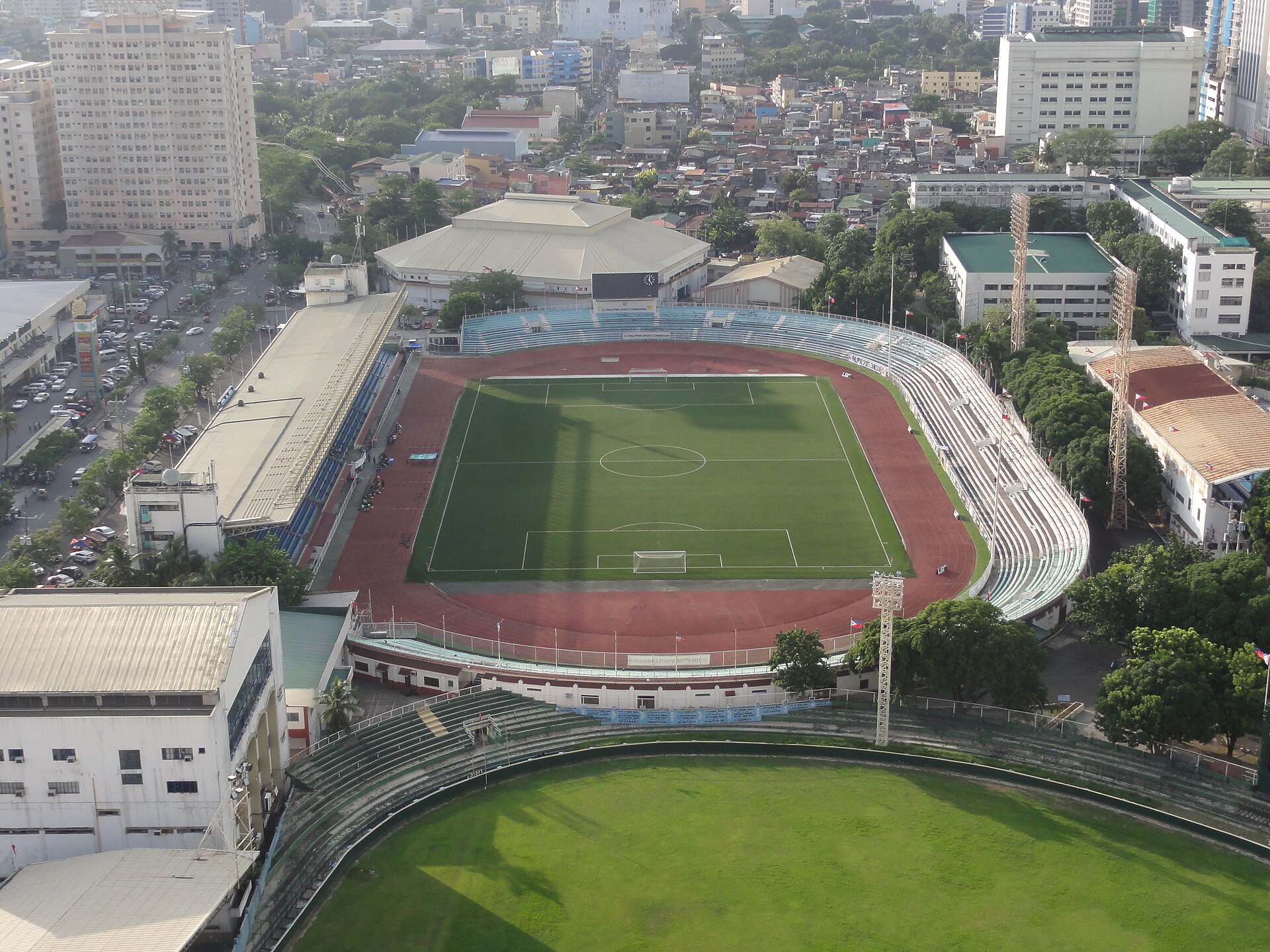
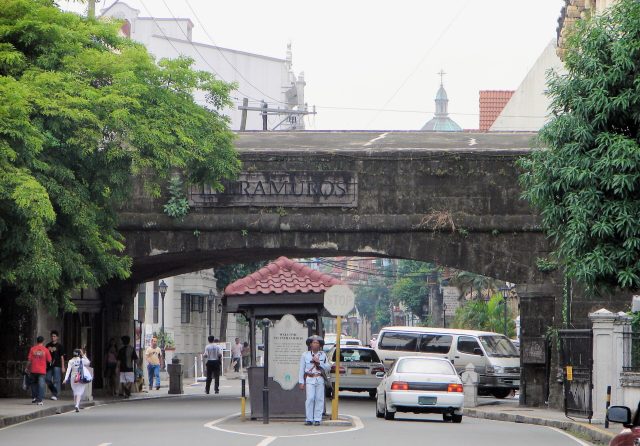
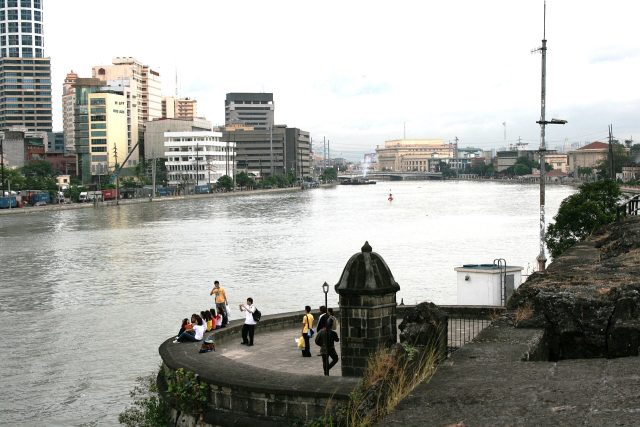
Rizal Memorial is one of those rare places in Manila where the weight of history feels tangible, yet the space itself breathes with the quiet rhythm of everyday life. Named after José Rizal, the national hero whose writings and martyrdom ignited the flame of revolution against Spanish rule, the memorial is more than a monument—it’s a living testament to the ideals that shaped the Philippines. The park stretches across a generous expanse in the heart of the city, where the past and present coexist without pretense. Here, schoolchildren chase each other across the lawns while elderly couples stroll along shaded paths, and tourists pause to read the inscriptions on the monument, all under the watchful gaze of Rizal’s bronze statue.
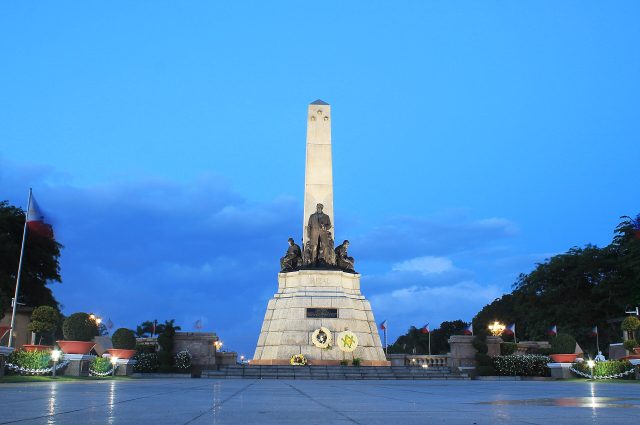
The centerpiece of the memorial is the towering monument itself, where Rizal stands in quiet dignity, his figure cast in bronze against a backdrop of manicured gardens. The dates of his life, 1861 to 1896, are etched into the pedestal, marking the brief but transformative years of a man who became a symbol of resistance through his words rather than violence. At the base of the statue, an eternal flame flickers, a reminder of the sacrifices made in the struggle for independence. The flame is small, almost unassuming, but its presence carries a solemn weight, especially for those who know the story of the man it honors.
The memorial stands on the site of what was once Luneta Park, also known as Bagumbayan, where Rizal was executed by firing squad in December 1896. His death was not just a personal tragedy but a turning point in Philippine history. The Spanish authorities hoped to silence the movement for reform by eliminating its most eloquent voice, but instead, they turned Rizal into a martyr. His final moments on this very ground galvanized a nation, and today, the spot where he fell is one of the most visited parts of the memorial. Visitors often linger here, some leaving flowers or offering a moment of silence, as if the earth itself holds the memory of that fateful day.
The architecture of the memorial is understated yet deliberate. Beyond the main statue, the park includes a few other structures that offer glimpses into Rizal’s life and legacy. A replica of his childhood home in Calamba stands nearby, a modest wooden house that contrasts with the grandeur of the monument. Inside, the rooms are sparsely furnished, giving a sense of the simplicity in which Rizal grew up. There’s also a small museum dedicated to his life, where visitors can see his personal belongings—glasses, a pocket watch, handwritten letters—as well as manuscripts and photographs from the era. One of the most moving exhibits is his final letter, written the night before his execution. In it, he bids farewell to his family and urges his countrymen to seek progress through education and peace, a message that still resonates today.
The memorial is not just a place of remembrance; it’s a space where history and daily life intersect. On national holidays, particularly Independence Day on June 12, the park fills with crowds, flags, and speeches, as Filipinos gather to honor those who fought for their freedom. But even on ordinary days, the memorial hums with activity. Students sprawl on the grass with their books, vendors sell snacks and cold drinks, and families picnic under the trees. The atmosphere is relaxed, almost serene, a stark contrast to the bustling streets just beyond the park’s borders. It’s a place where people come not just to reflect on the past, but to live in the present.
What makes Rizal Memorial special is its ability to feel both sacred and accessible. It’s not a sterile museum or a roped-off historical site, but a living part of Manila’s fabric. The park reflects the city’s dual nature—its reverence for tradition and its embrace of modernity. Here, history isn’t confined to textbooks or plaques; it’s something people carry with them, whether they’re a student on a field trip, a tourist snapping photos, or a local taking a shortcut through the park on their way home. The memorial doesn’t demand reverence; it invites connection, whether that means learning about Rizal’s life, enjoying a quiet moment under a tree, or simply watching the world go by.
For anyone curious about Philippine history, the memorial is an essential stop. It offers a chance to step into the story of a nation’s struggle for identity and independence, a story that is still unfolding. But even those who aren’t history buffs will find something to appreciate here. The park provides a rare respite from the chaos of Manila, a place where the noise of the city fades into the background. It’s a spot to observe how locals interact with their heritage, how they balance pride in the past with the realities of the present. There’s no grand spectacle here, just the quiet dignity of a place that has witnessed both tragedy and triumph.
The memorial is open at all hours, and there’s no admission fee, making it easy to visit at any time. Early mornings are particularly pleasant, when the air is cool and the light soft, or in the late afternoon, when the setting sun casts long shadows across the lawns. Each season brings its own charm—spring blooms, lush summer greenery, the golden hues of autumn, and the crisp stillness of winter. No matter when you go, the park has a way of slowing time, offering a moment to pause and consider what it means to be part of a story much larger than oneself.
Rizal Memorial isn’t just a destination; it’s a reminder of how history lives on in the spaces we inhabit. It’s a place where the ideals of a man who died over a century ago still echo in the laughter of children playing nearby, in the quiet conversations of couples on benches, in the determined steps of students hurrying to class. In a city that never stops moving, the memorial stands as a quiet anchor, a place where the past isn’t just remembered—it’s experienced.