Ntarama, a village near Butare, marks a site of Rwanda’s 1994 genocide. In April that year, thousands of Tutsi and moderate Hutu fled to the local Catholic church, seeking safety. The church became a killing ground instead. Now, it stands as a memorial—preserving the past through the unaltered evidence of what occurred.
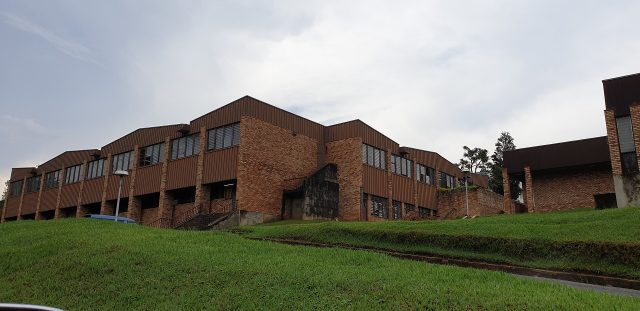
The church remains unchanged since the massacre. Bullet holes and shrapnel scars mar its red-brick walls. Inside, dust coats the wooden pews. Dark stains on the floor speak louder than any exhibit. There are no polished displays here—only the belongings of the dead. A child’s shoe lies under a bench. A tattered dress is folded in a corner. A rosary is tangled in the debris. These objects belonged to people who thought they would live.
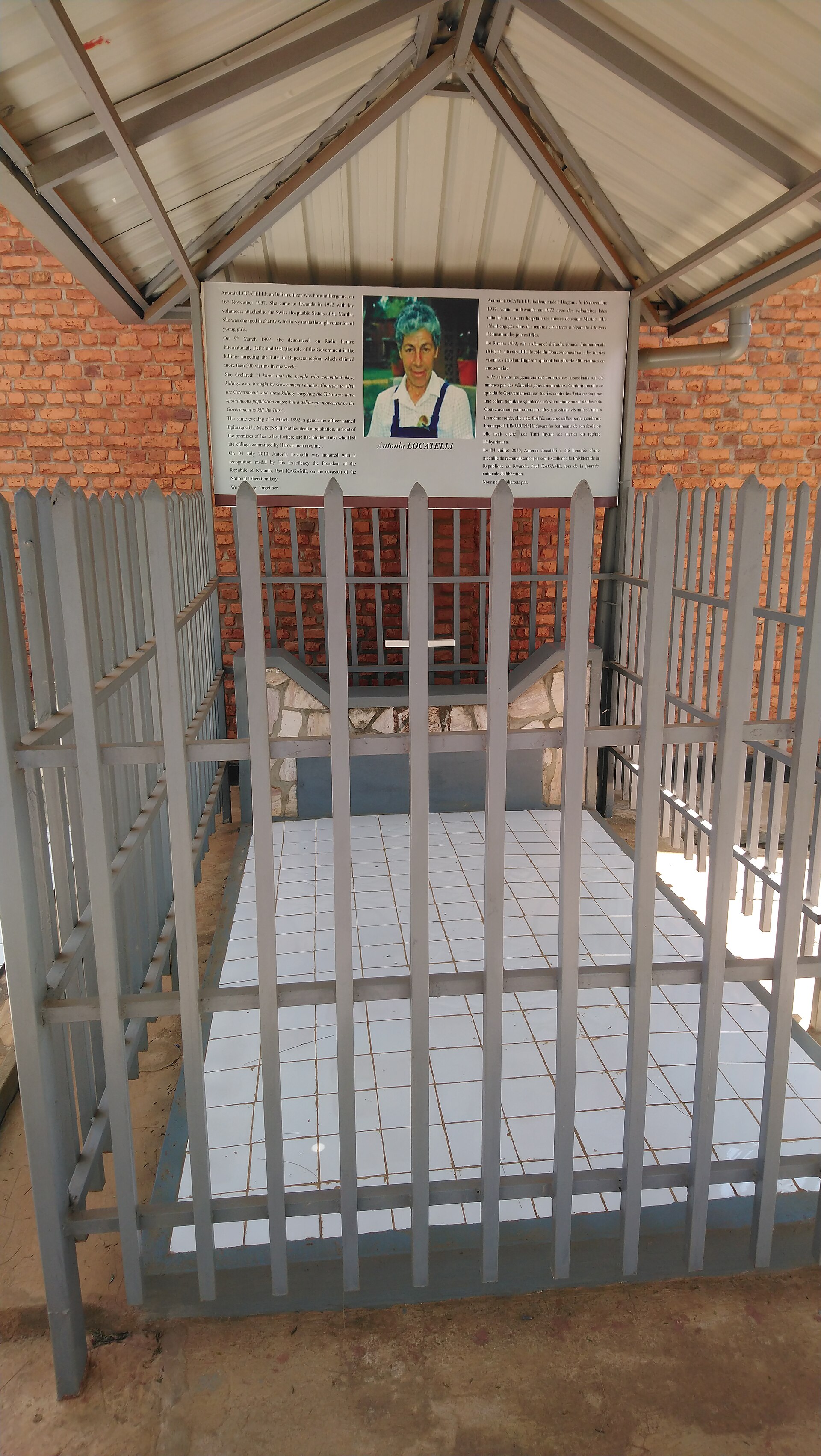
Beside the church, a small museum displays photographs of victims alongside documents and survivor testimonies. The exhibits show how the church, meant as a sanctuary, became a trap. They detail the days before the massacre, the failed resistance, and the violence that engulfed Rwanda in 1994. The facts are presented plainly, but their weight is undeniable. Nearly a million people died in three months. Ntarama is one of many places where that horror unfolded.
Healing has been slow and painful. After the genocide, survivors and victims’ families rebuilt their community together. Today, Hutu and Tutsi live side by side in Ntarama, many having lost loved ones in the same violence. Reconciliation required effort, education, and a commitment to prevent history from repeating.
This is not a typical museum visit. The guides—many survivors or relatives of the dead—speak with quiet dignity. Their stories are unscripted, raw, and deeply personal. The history they describe is not distant; it lives in this place.
The landscape around Ntarama is peaceful. Rolling green hills stretch into the distance. The contrast between this serenity and the violence that once occurred here is jarring. It forces you to consider how fragile peace can be.
Ntarama is not for casual visitors. It demands reflection. It asks you to listen, to remember. Memory is not just about the past—it shapes the future. It reminds us what happens when hatred goes unchecked and why we must ensure it never happens again.