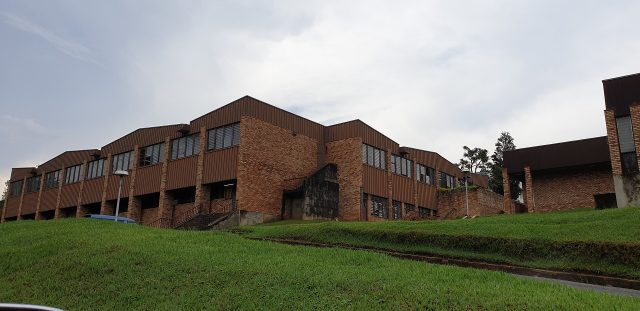
The Ethnographic Museum in Butare offers a quiet but profound way to understand Rwanda, not through grand historical events or well-trodden tourist paths, but through the small, everyday objects that shaped its people. Opened in 1989 as a gift from Belgium, the country’s former colonial ruler, the museum has since become a key cultural landmark. Unlike many Western museums with their imposing halls and dramatic displays, this one feels understated yet deeply personal. The exhibits here don’t just showcase artifacts—they tell stories of how Rwandans lived, worked, and saw the world long before the modern era.
The building itself reflects a thoughtful blend of tradition and modernity. Its design echoes Rwanda’s vernacular architecture, with low red-brick walls, a tiled roof, and wide verandas that invite visitors to linger. Inside, the museum is divided into sections, each focusing on a different aspect of life: household tools, crafts, music, religion, and social structures. You’ll find clay pots, intricately woven baskets, wooden instruments, and garments made from plant fibers. One exhibit even reconstructs a traditional Rwandan home, giving a sense of how families once lived in close connection with their surroundings.
A significant part of the collection is dedicated to the pre-colonial Kingdom of Rwanda. Ceremonial drums, symbols of chiefly authority, weapons, and ornate jewelry reveal the craftsmanship of the time while also hinting at the complex social hierarchy that governed the region for centuries. Another section features photographs and documents tracing Rwanda’s transformation in the 20th century—from colonial rule to independence. These aren’t just historical records; they’re glimpses into the lives of real people, their struggles, and their resilience.
What makes this museum different is its connection to the present. Temporary exhibitions often highlight contemporary Rwandan culture, from modern art to traditional dance. Occasionally, local artisans visit to demonstrate their skills—weaving baskets, shaping clay, or dyeing fabrics. For visitors, it’s a rare chance to engage directly with the people who keep these traditions alive, to ask questions and see history not as something distant but as a living practice. The staff, too, play a part in this experience, sharing stories and insights with a warmth that makes the past feel immediate.
Butare, the city where the museum is located, has a distinct character. Unlike the bustling capital of Kigali, it moves at a slower pace, its streets lined with greenery and its atmosphere shaped by the presence of the National University. Often called Rwanda’s intellectual heart, the city has a quiet, reflective energy. The museum fits seamlessly into this setting—it doesn’t aim to impress with grandeur but instead offers a space for contemplation. Here, you can step away from the usual tourist trail and consider what it means to be Rwandan, both in the past and today.
A visit to the Ethnographic Museum is more than just a lesson in history; it’s an invitation to see Rwanda beyond its recent tragedies. There are no crowds, no rush, no scripted narratives—just a quiet room where the objects on display speak softly but powerfully. Each item, whether a simple tool or a ceremonial artifact, is part of a larger story that continues to unfold. For those who want to understand the country through its culture, traditions, and daily rhythms, this museum provides a rare and honest perspective.
What’s striking about the museum is its refusal to romanticize the past or gloss over its complexities. Instead, it presents history as it was—messy, evolving, and deeply human. The exhibits don’t just document change; they show how Rwandan society adapted to challenges, both internal and external. This approach makes the museum feel less like a repository of relics and more like a conversation, one that doesn’t end when you leave. The experience lingers, not just as knowledge but as a sense of connection to a place and its people.
In a country often defined by its recent history, the Ethnographic Museum offers something different: a chance to see Rwanda through the eyes of those who lived before the headlines. It’s a reminder that behind every nation’s story are countless individual lives, each with its own struggles, joys, and quiet moments of beauty. For anyone willing to listen, the museum provides a way to hear those voices—and perhaps, in doing so, to understand Rwanda a little better.