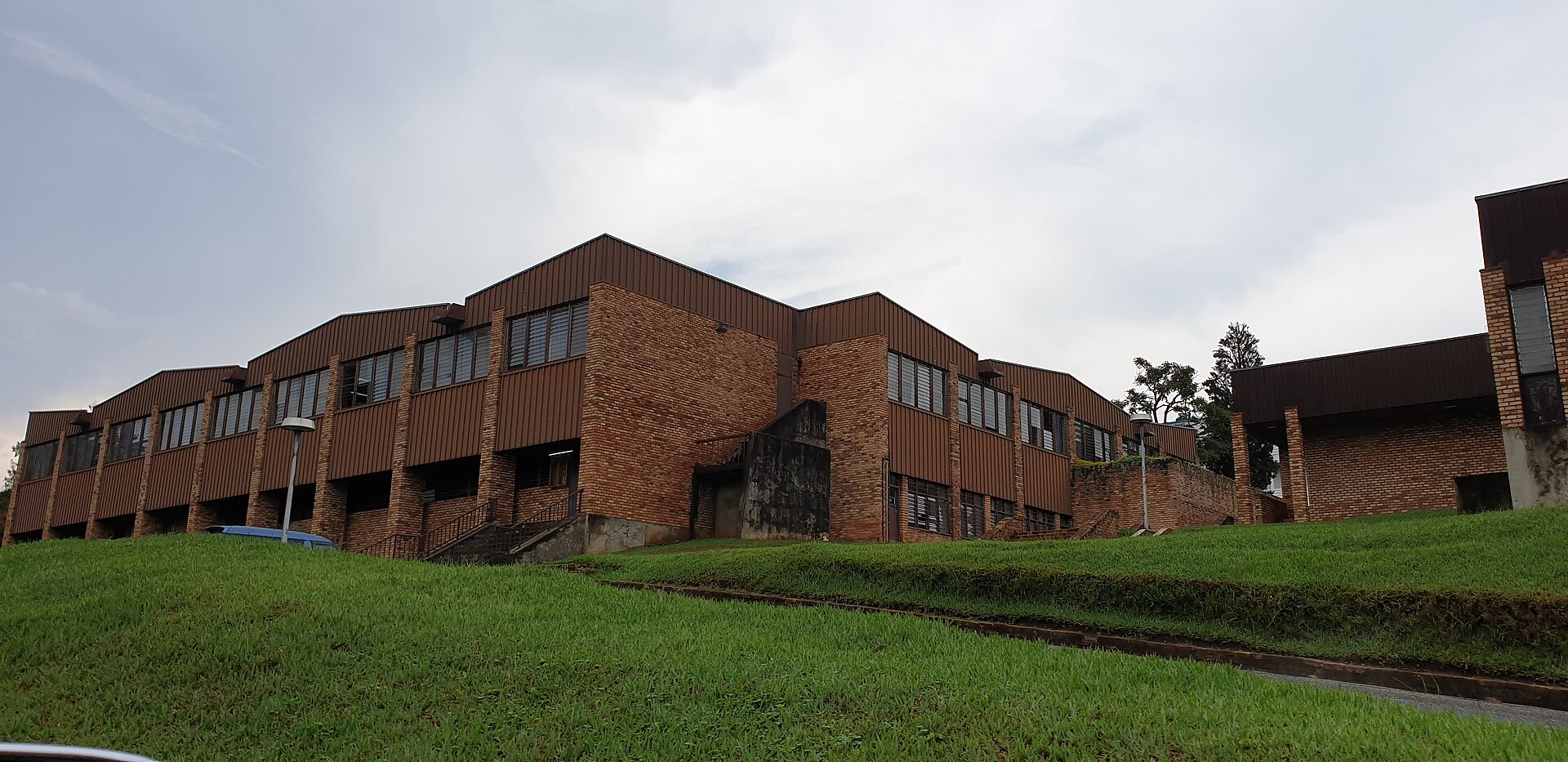
The National University of Rwanda is in Butare, a town that spreads out like a village. The campus doesn’t have grand gates or tall monuments. Instead, it appears slowly—a group of low buildings in beige and brown, their flat roofs partly covered by trees. The air smells of eucalyptus and damp earth, especially after an afternoon rain. Students walk between lecture halls and dormitories in small groups, their voices mixing with leaves rustling and the occasional motorcycle taxi waiting by the road.
Founded in 1963, a year after Rwanda’s independence, the university was meant to be more than a school. It was a symbol. For a country still finding its way after colonial rule, it represented the chance for Rwandans to shape their own future. The first classes were held in borrowed spaces, with a few students and teachers from other countries. Over time, the campus grew, its buildings built in the simple, practical style of mid-century African modernism. The architecture doesn’t stand out, but it tells a story: a nation building itself, brick by brick.
Butare has always been a town of ideas, not industry. Before the university, it was a place where kings and chiefs met, where markets traded coffee and cattle, where rural life met the ambitions of a changing country. The university didn’t change Butare so much as become part of it. Today, the campus feels like an extension of the streets around it—less a closed-off academic space and more a place where learning happens in the open, under the same sun that dries laundry hung between the trees.
The university has lived through history, some of it painful. Before the 1994 genocide, the campus reflected the tensions tearing Rwanda apart. Students and faculty found themselves on opposite sides of a divide that soon engulfed the country. When the violence came, the university, like much of Rwanda, was shattered. Lecture halls stood empty, books gathered dust, and the quiet work of education stopped. But in the years after, the university became part of the country’s healing. It reopened, rebuilt, and reimagined itself—not as a place apart, but as part of Rwanda’s effort to move forward.
Now, walking through the campus, you won’t see grand memorials. The history is there, but it’s part of the everyday. A wall with bullet scars. A plaque. A story told over tea in the cafeteria. The university has grown, adding new faculties and research centers, but it hasn’t lost its purpose. It’s still a place where students from Rwanda and beyond study agriculture, medicine, law, and the humanities. The curriculum has changed, but the mission hasn’t: to educate, to question, to prepare the next generation.
The campus mixes old and new. The original buildings, with their simple lines, stand next to newer ones funded by international partners. The university has grown by focusing on what Rwanda needs. The Faculty of Agriculture, for example, has always been important. Researchers there work on soil conservation and crop diseases, their findings often reaching smallholder farmers. It’s not flashy work, but it matters.
Life on campus has its own rhythm. Mornings start early, with students hurrying to lectures or studying under the trees. By midday, the heat slows everything down. The library fills up in the afternoons, its shelves holding textbooks and a growing collection of Rwandan literature. The cafeteria serves simple meals—beans, rice, ugali—eaten quickly between classes. In the evenings, the campus comes alive again. Students play football on dusty pitches or sit in circles, talking about politics or pop culture.
The university isn’t just for students. Farmers come for workshops on sustainable agriculture. Local teachers take part in training programs. Researchers work with government agencies on public health and environmental projects. The campus is open—its gates rarely closed, its paths used by townspeople as much as by students. This openness is intentional, a reminder that education doesn’t happen in isolation.
Butare, with its university, has always been a town of thinkers. It doesn’t make headlines, but it’s where ideas take root. The university has played its part by being steady. It has educated doctors, lawyers, teachers, and leaders. It has survived storms. And it keeps doing what it was meant to do: teach, learn, and serve. The campus may not be the most striking in Africa, but it’s where the future is shaped, one student at a time.