Sultan Bello Mosque stands as one of the most recognizable landmarks in Kaduna, a city that has long served as a crossroads of northern Nigeria’s cultural and religious life. Built in the mid-20th century, the mosque was named after Sultan Bello, a key figure in the Sokoto Caliphate, which shaped much of the region’s history in the 19th century. Though not as ancient as some of Nigeria’s other religious sites, the mosque carries a quiet significance, reflecting both the architectural traditions of the north and the enduring influence of Islamic scholarship in the area.
The structure itself is a blend of simplicity and grandeur, typical of many West African mosques. Its most striking feature is the large central dome, flanked by smaller domes and towering minarets that rise above the surrounding low-rise buildings. The exterior is made of locally sourced materials, with earthy tones that harmonize with the landscape. Inside, the prayer hall is spacious and uncluttered, designed to accommodate large congregations during Friday prayers and religious festivals. The absence of excessive ornamentation gives the space a sense of solemnity, allowing visitors to focus on the spiritual purpose of the building.
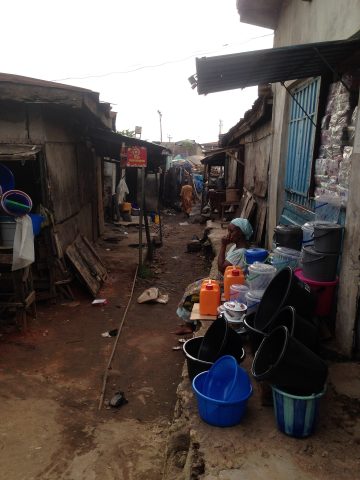
Kaduna has always been a city of contrasts, where different faiths and ethnic groups coexist, and Sultan Bello Mosque is a testament to that diversity. While the mosque is a place of worship for the Muslim community, it also stands as a symbol of the city’s broader identity. The area around the mosque is lively, with markets and street vendors selling everything from fresh produce to handmade crafts. The sounds of daily life—call to prayer, the hum of conversation, the occasional honk of a motorcycle—create a backdrop that feels distinctly northern Nigerian.
The mosque’s location in the heart of Kaduna makes it a natural gathering point. It sits near the Kaduna River, which has been a lifeline for the city since its founding in the early 20th century. The riverbanks, though not always well-maintained, offer a glimpse into the city’s relationship with its natural surroundings. In the evenings, locals sometimes stroll along the water, and the mosque’s minarets are often visible against the setting sun, adding to the city’s skyline.
For those interested in the history of Islamic scholarship in Nigeria, Sultan Bello Mosque offers a connection to the Sokoto Caliphate, one of the most influential Islamic states in West Africa. Sultan Bello, after whom the mosque is named, was not only a political leader but also a scholar whose writings on governance and religion are still studied today. While the mosque itself is not a repository of ancient manuscripts, its name serves as a reminder of the intellectual traditions that have shaped the region.
Visitors to the mosque are often struck by the sense of community that surrounds it. Unlike some of Nigeria’s more tourist-oriented religious sites, Sultan Bello Mosque remains firmly rooted in the daily lives of Kaduna’s residents. During Ramadan, the area around the mosque buzzes with activity as families prepare for iftar, the evening meal that breaks the fast. The streets fill with the scent of spiced dishes, and the mosque’s courtyard becomes a place of shared reflection.
Architecturally, the mosque is not as elaborate as some of the grand mosques in cities like Kano or Zaria, but that is part of its charm. It feels approachable, a place where both locals and visitors can find a moment of quiet. The design avoids the ostentation that sometimes characterizes modern religious buildings, instead favoring a more understated elegance. The use of traditional building techniques, such as mud bricks and wooden supports, ties the structure to the region’s heritage.
Kaduna itself is a city that rewards exploration, and Sultan Bello Mosque is a good starting point for understanding its character. The city has a reputation for being a hub of education and culture, home to institutions like Ahmadu Bello University, which has produced generations of Nigerian leaders. The mosque, with its ties to both the past and present, reflects that intellectual spirit. It’s not just a place of worship but a piece of the city’s living history.
For travelers, the mosque offers a chance to see northern Nigeria beyond the stereotypes. While the region is often associated with its challenges, places like Sultan Bello Mosque reveal a different side—one of resilience, faith, and community. The mosque is not a destination in the traditional sense, but it is a place where the rhythms of daily life in Kaduna become visible. Whether you visit during a quiet afternoon or the bustling hours of prayer, it leaves an impression of a city that is both deeply rooted in tradition and quietly evolving.