Korisha Peak is one of those quiet places where time moves differently, where the rhythm of life is set by the mountains and the slow decay of old stone. On the edge of this small Kosovar town stands the Sinan Pasha Mosque, a building that doesn’t demand attention but lingers in the memory long after you’ve left. Built in the late 16th century, it bears the name of Sinan Pasha, an Ottoman military leader and statesman whose influence once shaped the region. Yet for most who pass through, the details of his life are less important than the role the mosque has come to play—a place of quiet gathering, of prayer, and of unhurried conversation.
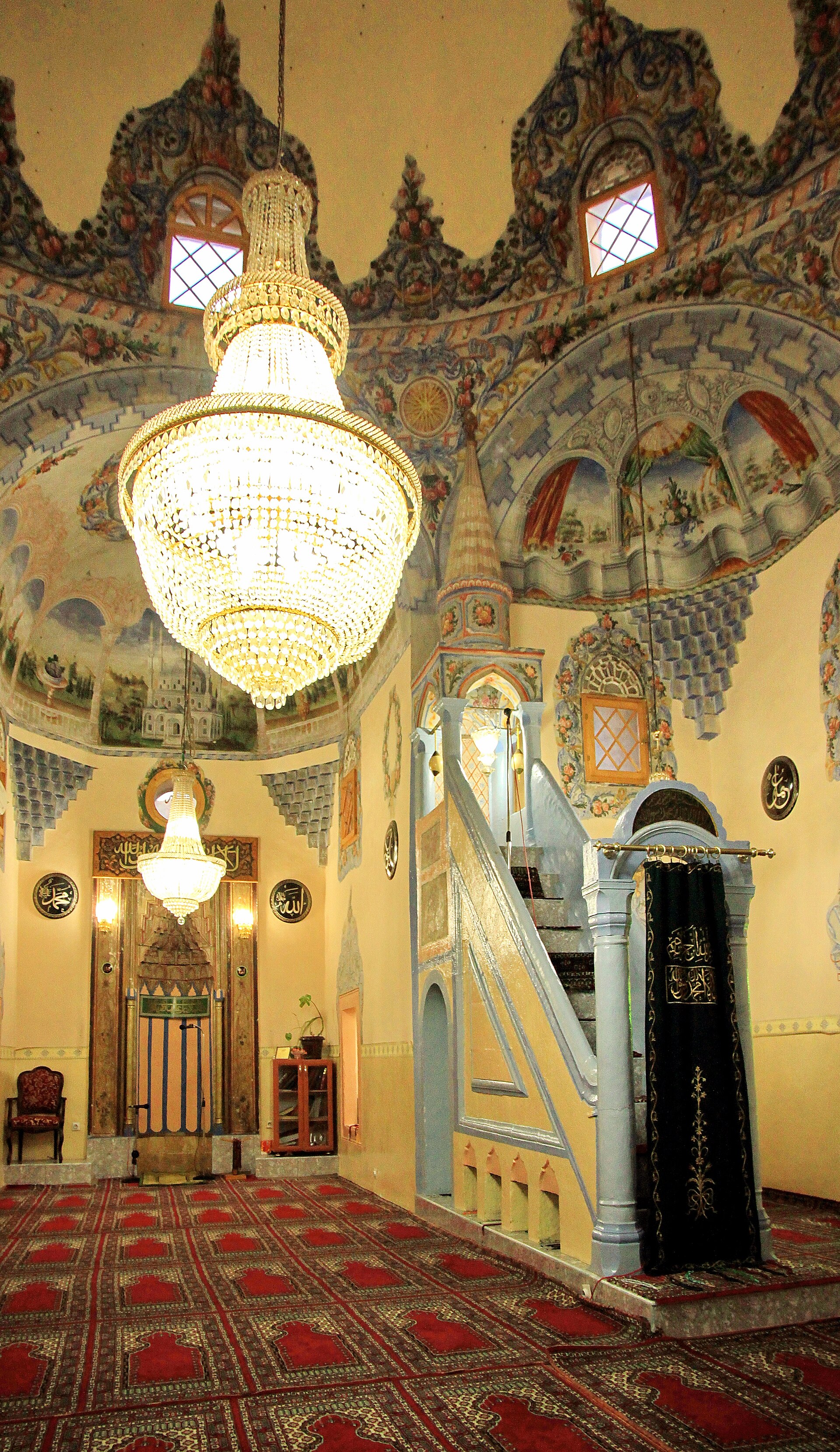
The architecture is unassuming, much like the Ottoman structures of its time. Low stone walls, whitewashed and weathered, support a wide porch with wooden columns holding up the roof. The minaret is modest, rising just enough to be seen above the surrounding houses. Inside, the space feels open and bright, with high windows filtering soft daylight across the walls. The mihrab, pointing toward Mecca, is decorated with simple patterns, while the wooden minbar, from which sermons are delivered, shows the marks of centuries—repaired, worn, but still in use. There’s no grandeur here, only a quiet dignity that comes from being part of everyday life for generations.
Korisha itself is the kind of town that rarely appears in guidebooks, and the Sinan Pasha Mosque isn’t the sort of place that draws crowds. It lacks the opulence of Istanbul’s great mosques or the mythic weight of ancient temples. But that’s precisely what makes it worth visiting. There are no tour groups, no selfie sticks, no hurried itineraries. The mosque exists as it always has, a living part of the community. On an ordinary weekday, you might find locals sitting in the shade of the porch, sharing news or sipping coffee, as much a social space as a religious one.
The mosque’s history is woven into the broader story of Kosovo. When it was built, the region was under Ottoman rule, and Islam had become deeply embedded in the culture. Over the centuries, the mosque has seen wars, political upheavals, and economic hardships. During the conflicts of the late 20th century, many religious sites were damaged or destroyed, but the Sinan Pasha Mosque survived, though not unscathed. Today, its walls bear the marks of time—cracks in the plaster, faded paint—but these only add to its character. The stones themselves seem to hold the weight of history, each one a silent witness to the passage of years.
The small courtyard around the mosque is where much of the daily life unfolds. In summer, children play football on the patchy grass; in winter, the same space is dusted with snow. Elderly men sit on benches, watching the world go by. Korisha offers few distractions, and the mosque, along with its surroundings, has become a kind of communal hub, a place where different generations intersect. On religious holidays, especially during Ramadan or Eid al-Adha, the courtyard fills with families, food, and conversation. Even those who have left the town often return for these occasions, drawn back by the warmth of tradition.
Beyond its religious significance, the mosque is a cultural landmark, preserving elements of local craftsmanship that are harder to find in more famous sites. The wooden beams of the ceiling are carved with simple, geometric patterns, and in the corners of the courtyard, old gravestones with Arabic inscriptions hint at a time when the area served as a burial ground. Many of the inscriptions have worn away, but the stones remain, a quiet reminder of those who came before.
For travelers who make it to Korisha, the mosque can be an unexpected discovery. Unlike the crowded tourist spots, this is a place where life unfolds without pretense. If you’re lucky, you might hear the call to prayer, the voice of the muezzin drifting over the rooftops, creating a moment of stillness. Or you might simply sit on a bench in the courtyard, watching as locals go about their day, realizing that some of the most authentic experiences happen far from the well-trodden path.
The Sinan Pasha Mosque will never be Kosovo’s most famous landmark. It won’t appear on lists of must-see attractions, and that’s part of its charm. There’s no attempt to impress, no grand narrative—just stone, wood, and the quiet hum of life around it. In a world that often values spectacle over substance, places like this are rare. They remind us that sometimes, the most meaningful encounters aren’t with monuments, but with the people and the stories that surround them.