Sandakan isn’t the kind of place that makes it onto glossy travel brochures. There are no towering skyscrapers like in Kuala Lumpur, no postcard-perfect beaches like Langkawi—just a quiet coastal town where the jungle meets the sea, and history lingers in the salt-tinged air. The Jamek Mosque of Sandakan sits along the waterfront, a modest structure that doesn’t demand attention but quietly earns it. Built in the early 20th century, it stands where the old trading port once operated, a place where ships from across Southeast Asia docked, and cultures collided. The mosque is part of that story.
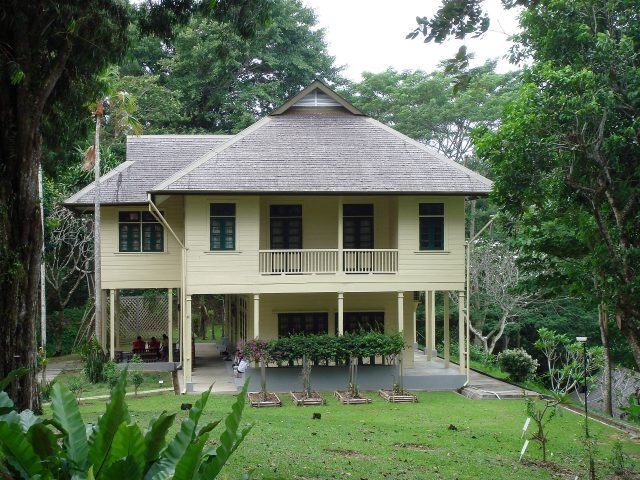
The Jamek Mosque’s whitewashed walls are unadorned, the minaret low, the lines clean. There’s no marble, no tilework—just a building shaped by the town’s rhythm. The architecture blends traditional Malay design with colonial influences: the sloping roof, the tall windows, the wooden doors. It feels light, as if in tune with the sea breeze.
Inside, sunlight filters through high windows, casting patterns on the carpets and bare walls. The space is open, airy. Outside of prayer times, the only sounds are footsteps or quiet voices. The inner courtyard, with its wooden benches, overlooks the water. Gulls circle overhead, and the market’s hum drifts in. You can sit there and forget the rest of the world.
In the early 1900s, Sandakan was a port under British North Borneo. Malay, Chinese, Arab, and Indian communities lived side by side, each shaping the town. The mosque was a gathering place for the Muslim community, a space where faith and identity were preserved amid change. Today, the old market still sells fish and spices, the docks still send boats to nearby islands, and the streets carry echoes of Sandakan’s past as a gateway to Borneo.
The Jamek Mosque isn’t treated like a landmark. There are no tour groups, no souvenir stalls. For locals, it’s part of the neighborhood—a place to pray, sit under the trees, chat, or escape the heat. It feels lived-in, domestic. The mosque exists for the people who walk past it daily, who know its creaks and shadows.
The building follows traditional Malay design with its sloping roof and high windows. Colonial touches appear in the proportions and details. The wooden doors, whitewashed walls, and shifting light create calm. On hot afternoons, the interior stays cool. In the evenings, lanterns glow softly, as if inviting you to linger.
Sandakan doesn’t try to be anything other than itself, and the Jamek Mosque is the same. It’s not in travel guides or on Instagram. There’s no pressure here—no need to be impressed. You can sit on a bench, watch light play on the walls, listen to the water, and think about those who came before you, seeking quiet in a fast-moving world.
Time in Sandakan moves slowly. The city has changed, but the Jamek Mosque remains much as it was a century ago. It’s a place of stillness in a town that has seen upheaval. It doesn’t dazzle; it draws you in with its honesty. Here, you sense old Sandakan—the port that connected worlds, the place that still carries its history. The mosque offers a space to pause, to breathe, to remember that some things endure.