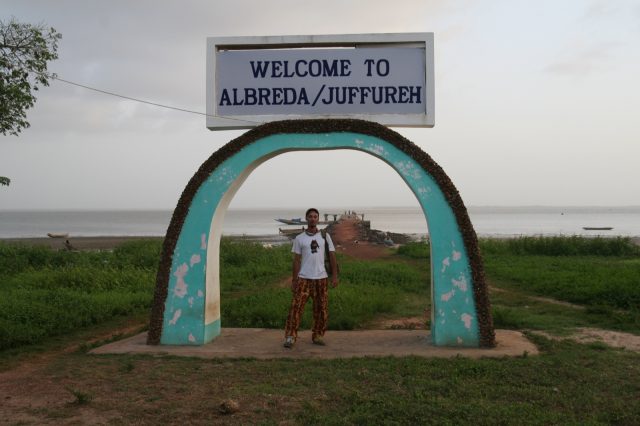
Albreda is one of those places where history feels tangible, not just preserved in museums but woven into the fabric of everyday life. The small settlement on the north bank of the Gambia River has long been a crossroads—first for indigenous communities, later for European traders, and eventually as part of the complex web of the transatlantic slave trade. Today, it’s a quiet village where the past lingers in the architecture, the stories, and the very rhythm of life. And at the heart of this history stands the Albreda Mosque, a modest yet deeply significant structure that has witnessed centuries of change.
The mosque itself is unassuming at first glance, built in the traditional Sudano-Sahelian style that characterizes much of West Africa’s religious architecture. Its walls, made of sun-baked mud bricks, rise gently from the earth, blending into the landscape rather than dominating it. The wooden beams jutting from the exterior aren’t just decorative—they serve a practical purpose, allowing for repairs and reinforcements as the building settles over time. Inside, the space is simple, with a prayer hall supported by thick columns and a mihrab niche pointing toward Mecca. There’s no grand dome or towering minaret here; instead, the mosque’s power lies in its quiet endurance, a testament to the faith and resilience of the people who built and maintained it.
What makes the Albreda Mosque particularly noteworthy is its role in the broader history of the region. The Gambia River was a vital artery for trade long before European ships arrived, and Albreda was one of the key points along its banks. By the 17th century, it had become a hub for the transatlantic slave trade, with European powers—first the Portuguese, then the British and French—establishing forts and trading posts nearby. The mosque, likely built in the 18th or early 19th century, would have stood as a silent observer to this dark chapter, its congregation living and worshipping in a community shaped by both local traditions and the brutal realities of the trade. When slavery was abolished in the British Empire in 1807, Albreda’s significance shifted, but the mosque remained, a symbol of continuity in a changing world.
The architecture of the mosque offers a glimpse into the practical and spiritual needs of its builders. The thick mud walls aren’t just a stylistic choice—they provide insulation, keeping the interior cool during the scorching dry season and offering some protection during the heavy rains. The flat roof, reinforced with timber, is designed to withstand the elements, while the small windows allow for ventilation without compromising the sense of enclosure that defines sacred spaces. Over the years, the mosque has been repaired and restored, but the methods used have remained largely traditional, ensuring that its character hasn’t been lost to modernization. It’s a living building, shaped by the hands of generations who understood the land and its rhythms.
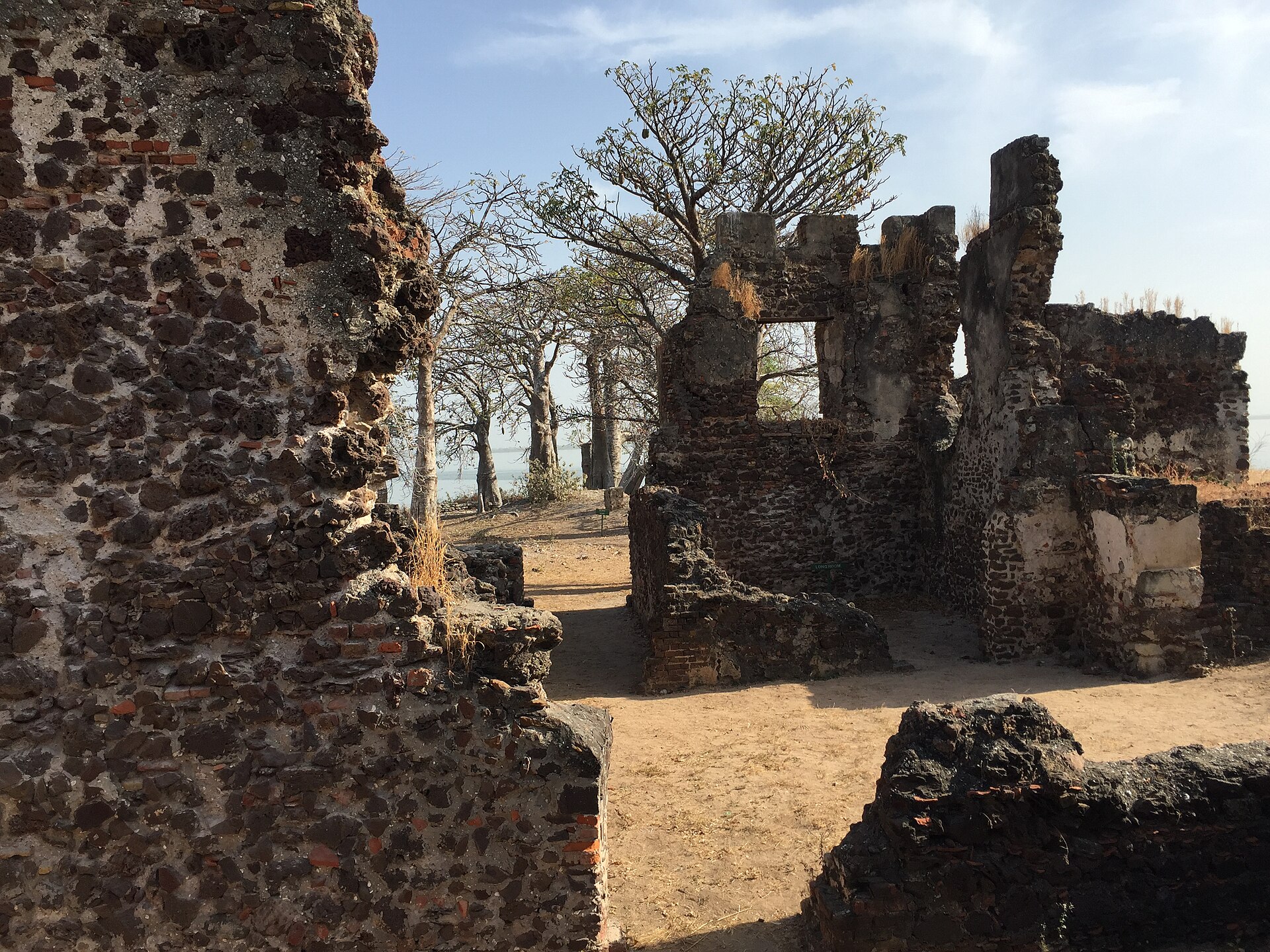
For visitors, the Albreda Mosque is more than just a historical site—it’s a place where the layers of Gambian history become visible. The village itself is small, with a handful of other landmarks that tell its story, like the ruins of the Portuguese chapel and the nearby slave house at Juffureh. But the mosque stands apart, not just because of its age, but because of what it represents. It’s a reminder that faith and community have always been central to life in this region, even in the face of unimaginable hardship. The people of Albreda have long been farmers, fishermen, and traders, and the mosque has been a constant in their lives, a place of solace and reflection.
Walking through Albreda today, it’s easy to imagine the village as it once was—a bustling trading post where languages and cultures mingled. The Gambia River, wide and slow-moving, still dominates the landscape, its waters carrying the same currents that once brought ships from distant shores. The mosque, with its earthy tones and simple lines, fits seamlessly into this setting, as if it grew from the land itself. There’s a sense of timelessness here, a feeling that the past isn’t so much behind you as it is all around you.
The mosque also speaks to the broader Islamic heritage of The Gambia, a country where religion is deeply intertwined with daily life. While the majority of Gambians are Muslim, the practice here is often characterized by a blend of traditions—Islamic teachings coexisting with local customs and beliefs. The Albreda Mosque, like many others in the region, reflects this syncretism. It’s not a place of rigid dogma but of lived faith, where the call to prayer mingles with the sounds of the village and the river.
For those who take the time to visit, the Albreda Mosque offers a quiet moment of connection—not just to history, but to the people who have shaped and been shaped by this place. There are no grand tours or elaborate exhibits here, just the building itself and the stories it holds. It’s the kind of place that invites you to sit for a while, to listen to the wind rustling through the nearby baobab trees, and to think about the hands that laid each brick, the voices that once filled the prayer hall, and the lives that have unfolded in its shadow. In a world that often feels rushed, Albreda and its mosque remind you that some things are meant to be savored slowly.