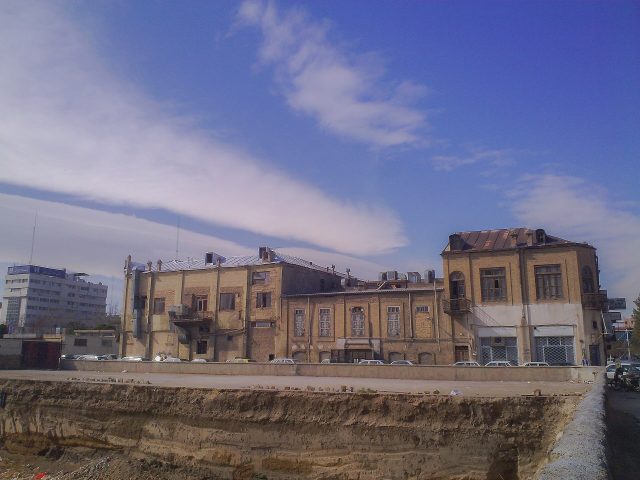
The Hajj Rabi Mausoleum in Mashhad is one of those places where history feels alive, not just preserved. It stands on the edge of the city, away from the bustle of its more famous shrines, where the rhythm of life slows just enough to let the past breathe. This isn’t a place that demands attention—it simply exists, quietly, as it has for centuries.
The mausoleum honors Hajj Rabi ibn Khosrow, a companion of the Prophet Muhammad who spent his later years in Khorasan. His grave became a site of reverence almost immediately, long before Mashhad grew into the spiritual center it is today. While the city is best known for the shrine of Imam Reza, the Hajj Rabi Mausoleum offers a different kind of quiet significance. It’s a reminder that Iran’s religious heritage isn’t just about grand monuments—it’s also about the smaller, older stories that shape everyday faith.
The architecture here tells its own story, layer by layer. The earliest part of the complex dates back to the 11th century, when a simple structure was built over the grave. Over time, each era left its mark. The Safavids, in particular, expanded and embellished the mausoleum, adding the signature turquoise-tiled dome that rises above the surrounding buildings. The dome isn’t just decorative—it’s a symbol, a bridge between the earthly and the divine, a motif that appears again and again in Iranian sacred architecture.
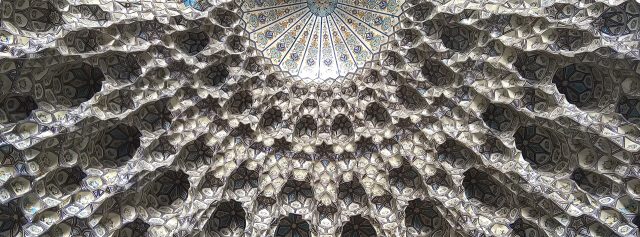
Inside, the walls are covered in intricate arabesques and calligraphy, a mix of Quranic verses and the names of revered figures. The craftsmanship is precise, almost meditative, the kind of detail that invites you to linger. The main chamber holds the tomb of Hajj Rabi, where the light filters through lattice windows, casting delicate patterns on the floor. Other rooms are used for religious gatherings, their atmosphere hushed and contemplative. In one corner, a small display of manuscripts and artifacts offers a glimpse into the mausoleum’s long history, though it’s far from a museum—just a quiet record of devotion.
The garden surrounding the mausoleum is where the place feels most alive. It’s not manicured or grand, just a simple green space with old trees that provide shade and a sense of seclusion. Locals come here to sit, to read, or to escape the noise of the city for a while. There’s no schedule, no rush—just the occasional rustle of leaves or the murmur of conversation. The garden has become part of Mashhad’s daily life, a place where people come not just to pray, but to think, to rest, or to be alone with their thoughts.
For many in Mashhad, the mausoleum is more than just a historical site. It’s a living part of the city’s spiritual fabric. Religious ceremonies are held here, especially on the anniversary of Hajj Rabi’s death, but even on ordinary days, it draws those seeking quiet reflection. Unlike the larger mosques, where crowds and rituals can feel overwhelming, this is a place where you can step away from the noise. That sense of stillness is what makes it special—it’s not about spectacle, but about connection.
Hajj Rabi himself was a figure of early Islam, a companion of the Prophet who traveled with him before settling in Khorasan. His life was one of devotion, and his grave became a place of pilgrimage almost as soon as he was buried. Over the centuries, the mausoleum grew around it, each generation adding something new while preserving the essence of what came before. Today, it stands as a testament to how faith is passed down—not just through grand gestures, but through quiet, enduring traditions.
Visitors who come to Mashhad expecting only the grandeur of the Imam Reza Shrine might overlook this place, and that’s part of its charm. There’s no fanfare here, no crowds jostling for space. Instead, there’s a sense of timelessness, a feeling that the mausoleum has always been here and always will be. It’s a place where history isn’t just remembered—it’s lived, in the way people move through its spaces, in the way they pause to touch the cool stone of the walls, in the way they sit beneath the trees as if no time has passed at all.
If you find yourself in Mashhad with a little extra time, it’s worth seeking out. Walk through the garden, sit for a while, and let the quiet settle around you. This isn’t a place that shouts for attention, but that’s exactly why it lingers in the memory. It’s a reminder that sometimes the most meaningful experiences aren’t the ones that dazzle, but the ones that simply let you be.