Nestled on the quiet outskirts of Goygol, the Imamzadeh mausoleum feels like a place where time has paused, leaving behind only the weight of centuries and the quiet reverence of those who still remember. The low hills surrounding it are dotted with sparse trees, their branches swaying gently in the breeze, as if guarding the small stone structure that has stood here for generations. There are no grand monuments or bustling crowds—just the stillness of the land and the occasional visitor, drawn by something deeper than mere curiosity.
The history of the mausoleum stretches back to the medieval era, when this region was part of the Shirvanshah state. According to local tradition, it houses the remains of a descendant of the Prophet Muhammad, which is how it earned its name—Imamzadeh, meaning "son of the imam." The exact identity of the person buried here has been lost to time, but for those who come to pray, the specifics matter less than the sanctity of the place itself. Over the centuries, the mausoleum has been restored and rebuilt, yet its core remains unchanged, a silent witness to the faith of those who have passed through its doors.
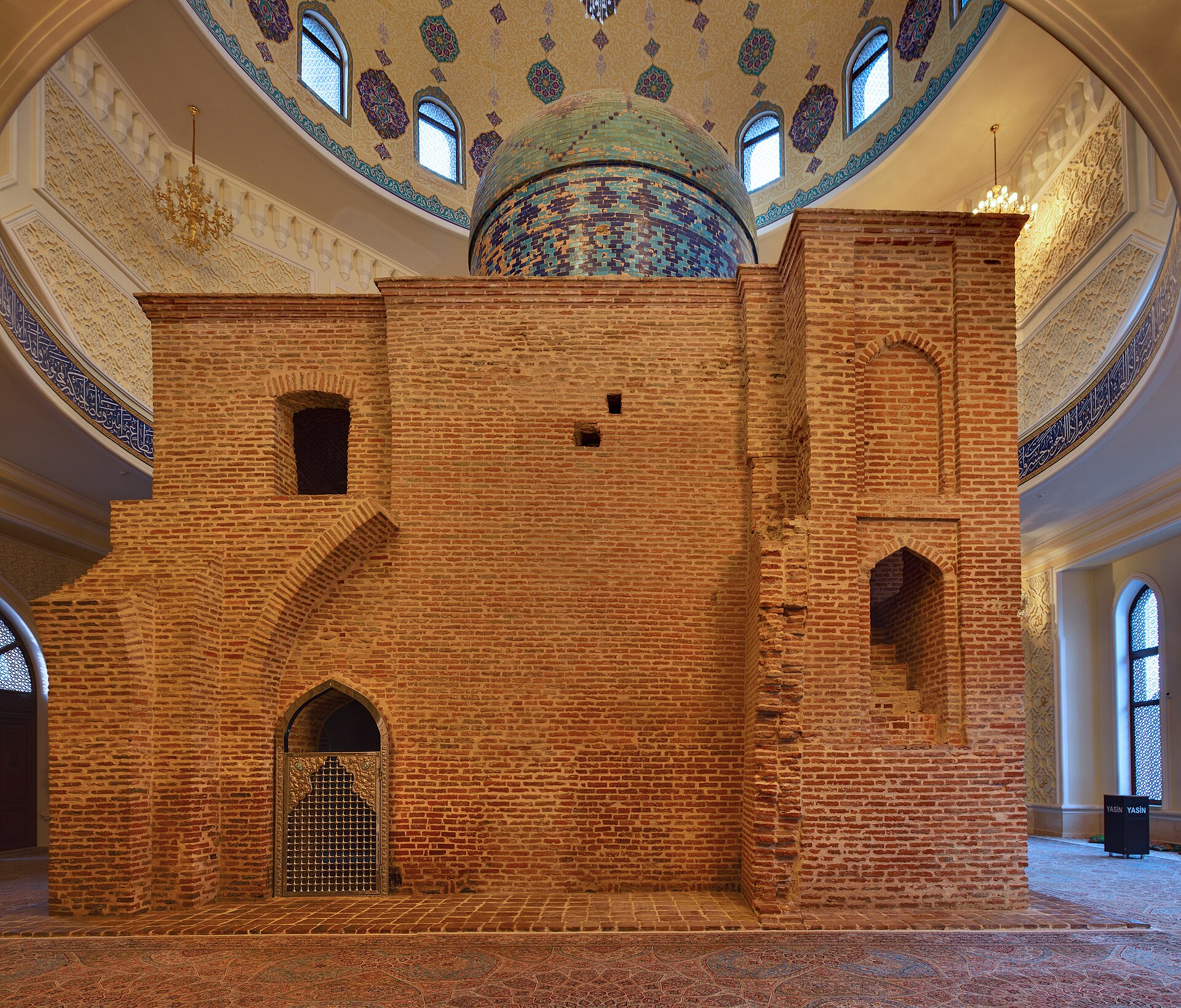
The architecture is simple, almost austere, reflecting the modest style of many religious sites in Azerbaijan from that period. The main building is a small, domed structure made of stone and brick, its walls nearly bare of ornamentation. A few geometric patterns and faint Arabic inscriptions are the only embellishments, barely noticeable against the weathered surface. Inside, the high dome allows soft, filtered light to spill across the stone floor, casting gentle shadows on the walls. The air is cool, even on the hottest days, and the faint scent of old plaster lingers, a reminder of the countless prayers offered within these walls.
Beside the mausoleum lies a small cemetery, where generations of locals and pilgrims have been laid to rest. The graves are unassuming, marked by simple headstones, some adorned with traditional carvings or Arabic script, others half-buried beneath the earth. The trees here provide shade, their leaves rustling softly in the wind, offering a quiet refuge from the sun. For many, this is not just a place of mourning but a space for reflection, where the past feels closer than ever.
Goygol itself is a town with a layered history. Founded in the early 19th century by German settlers under the name Helenendorf, it was once a pocket of European culture in a predominantly Muslim region. The settlers built homes in their own architectural style, cultivated vineyards, and produced wine, leaving behind a legacy that endured for decades. After World War II, the German population was deported, and the town was renamed Goygol, meaning "blue lake" in Azerbaijani. Today, traces of its German past remain in the names of streets and a few surviving buildings, though the town has long since taken on a character of its own.
The Imamzadeh mausoleum sits slightly apart from the usual tourist paths, which only adds to its appeal. There are no souvenir stalls or guided tours here—just the quiet rhythm of daily life. Locals come to pray, light candles, and leave offerings, their movements unhurried and deliberate. Occasionally, pilgrims arrive from distant places, removing their shoes at the entrance before stepping inside with quiet reverence. For them, this is a place of solace, where they come seeking blessings, healing, or simply a moment of peace.
The atmosphere shifts with the time of day. In the early morning, when mist still clings to the hills, the mausoleum feels almost ethereal, as if suspended between the earth and the sky. By midday, the interior remains cool and dim, a refuge from the heat outside. As evening falls, the setting sun paints the walls in warm hues, and the air grows still, carrying with it the weight of centuries. Even for those who do not share the faith of its visitors, there is something undeniably moving about this place—a sense of continuity, of lives lived and lost, and of the quiet persistence of belief.
Visiting the mausoleum requires no special preparation, only a respectful attitude. Shoes are left at the entrance, voices are kept low, and photography is best done discreetly, if at all. Inside, wooden benches offer a place to sit and observe, or simply to be still. If you linger long enough, you might hear the murmur of prayers or see the flicker of candlelight against the stone. This is not a museum exhibit but a living space, where history and devotion are woven together so tightly that they become indistinguishable.
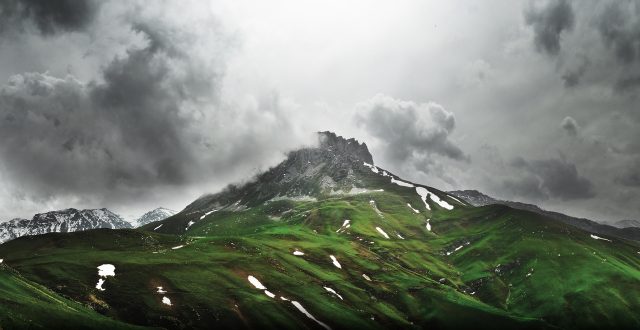
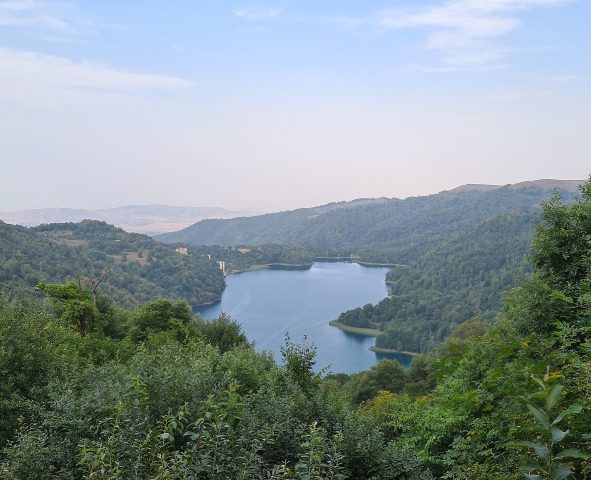
Beyond the mausoleum, Goygol and its surroundings offer a glimpse of Azerbaijan far removed from the usual tourist spots. The town is encircled by mountains and forests, and nearby lies the lake that gave it its name. On clear days, the water shimmers with a soft blue tint, reflecting the sky above. Walking trails wind along the shore, where small cafes serve tea to those who pause to rest. The Imamzadeh is just one of many reasons to visit, yet it is the one that lingers in the memory, a quiet reminder that even in the smallest of places, there are stories waiting to be discovered.