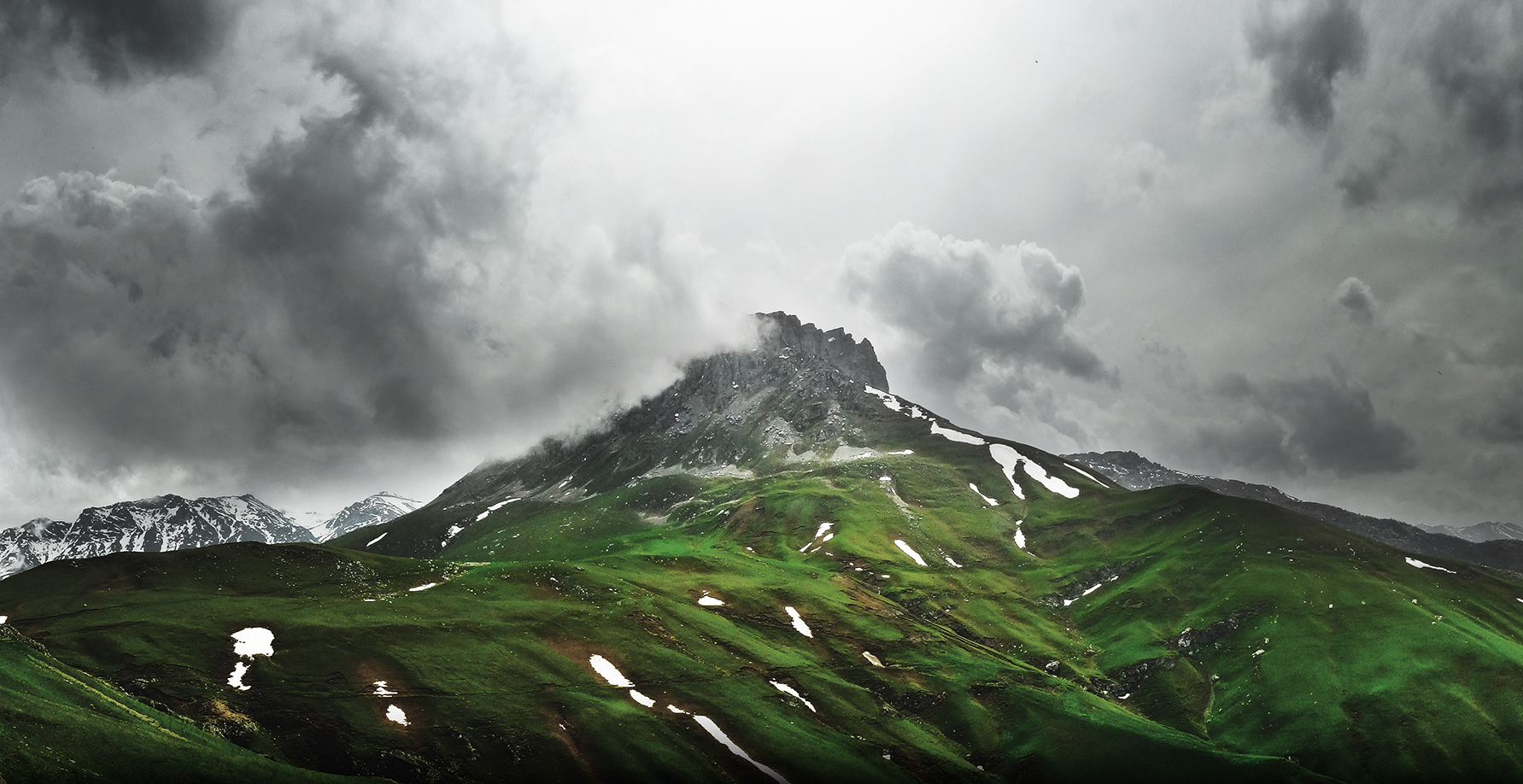
Göygöl National Park is one of those rare places in Azerbaijan where nature seems to have gathered its finest qualities in one corner of the world. Tucked away in the western part of the country, not far from the city of Ganja, the park sprawls across the foothills of the Lesser Caucasus, where landscapes shift from alpine meadows to deep gorges with effortless grace. There are no crowds here, no tourist traps, no forced hospitality—just open space, crisp mountain air, and the quiet sense that time moves a little slower. The park feels like a world apart, where the only sounds are the rustle of leaves or the distant call of a bird.
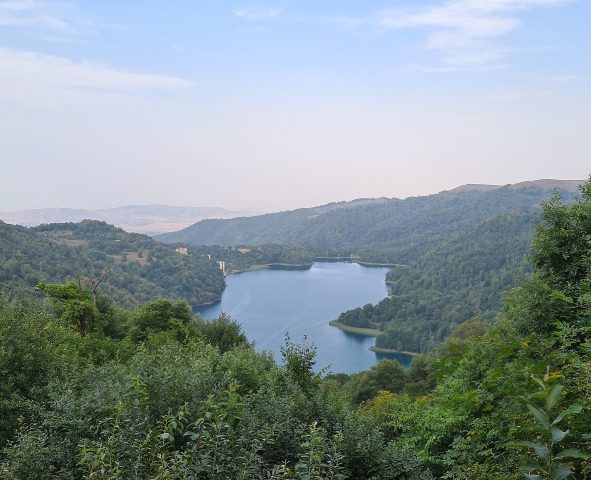
At the heart of the park lies Lake Göygöl, the jewel that gives the area its name. Translated from Azerbaijani, it means "blue lake," and on clear days, the water lives up to its name, reflecting the sky and the surrounding peaks in shades of turquoise and deep sapphire. The lake was formed in the early 12th century after an earthquake triggered a landslide that dammed the Agsu River, creating a natural reservoir. Local lore claims the water never freezes, even when the shores are dusted with snow and morning mist rises from the surface. Trails wind around the lake, offering hours of solitary walking, especially if you venture toward the forested hills or the hidden waterfalls tucked away in the gorges.
But the park is more than just one lake. Its territory includes several other bodies of water, each with its own character. Maralgöl, for instance, is nestled in dense woodland where deer and roe hide in the summer, and the ground turns into a carpet of gold and crimson in autumn. Zeligöl is smaller but no less striking, its dark waters framed by reeds and the shadows of towering cliffs. These spots are perfect for those who want to escape into nature—whether to fish, sit quietly by the shore, or simply watch the light change over the water as the day passes.
The park’s flora and fauna are as diverse as they are unique to the region. Ancient forests of beech, oak, and hornbeam thrive here, alongside rare plants that have survived since prehistoric times. Higher up, alpine meadows burst into color in summer, with edelweiss and other wildflowers dotting the slopes. The wildlife is just as impressive: brown bears, lynx, and wild boar roam the forests, while eagles and falcons circle overhead. The lakes and rivers are home to trout, prized for their purity. For nature enthusiasts, the park offers endless opportunities for observation, though spotting animals requires patience—they tend to keep their distance from humans.
The history of Göygöl National Park is closely tied to the region’s development. Even during the Soviet era, this area was designated a protected zone to preserve its ecosystems and prevent deforestation. After Azerbaijan gained independence, the park’s status was reaffirmed, and its boundaries expanded. Today, it serves not only as a nature reserve but also as a site for scientific research, particularly in studying the biodiversity of the Caucasus. For locals, the park holds deep significance—it’s a place to graze livestock, gather medicinal herbs and mushrooms, and escape the hustle of city life.
Visiting the park doesn’t require special preparation, but a few things are worth keeping in mind. The best time to go is from May to October, when the roads are clear and the weather is ideal for hiking. In winter, the area attracts skiers, with gentle slopes nearby offering a quiet alternative to busier resorts. Summer visitors can rent a boat on the lake or set out on one of the many trails that crisscross the park. There are no large hotels here, but nearby villages offer homestays where you can experience local hospitality, enjoy home-cooked Azerbaijani meals, and wake up to the sound of birds rather than traffic.
What makes Göygöl National Park special is its unspoiled quality. There are no flashy attractions or commercialized experiences—just the raw beauty of nature left to its own rhythms. A walk through the forest, a quiet evening by the lake, the scent of pine and damp earth after rain—these simple moments create a sense of peace that’s hard to find elsewhere. For those seeking more than just pretty scenery, Göygöl offers something deeper: a chance to step away from the noise of modern life and reconnect with the natural world. It’s the kind of place that lingers in your memory long after you’ve left.