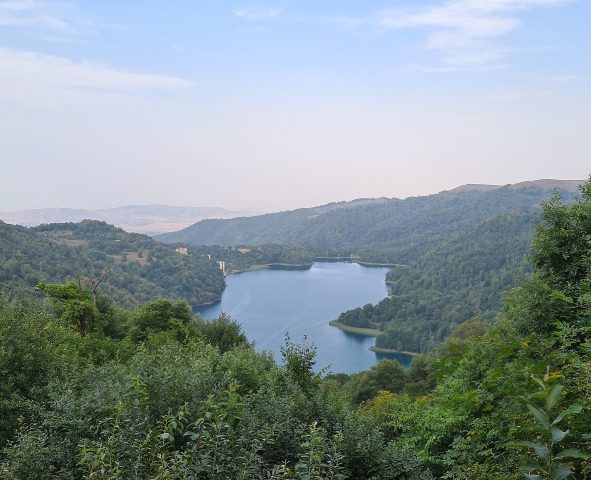
Nestled in the heart of Goygol, a town framed by the lush forests and rugged mountains of northwestern Azerbaijan, the Goygol Historical and Local Lore Museum offers a quiet retreat into the layers of time that have shaped this region. The museum itself is modest in size, but its collection speaks volumes about the intersecting histories of the people who have called these lands home. Unlike the grand museums of Baku or Ganja, this one invites visitors to linger, to absorb the details without the pressure of crowds or the rush of a guided tour. The building, with its high ceilings and large windows, feels like a natural extension of the town’s own story—unassuming yet rich with character.
Goygol’s past is as layered as the sediment of the nearby lake that shares its name. The town was originally founded in the early 19th century by German settlers who named it Helenendorf, establishing it as a center of German culture in the Caucasus. These colonists brought with them not just their language and traditions but also advanced agricultural techniques, particularly in winemaking, which would leave a lasting mark on the region. The museum preserves this chapter through photographs, personal letters, tools, and household items that once belonged to the German community. These artifacts don’t just document a bygone era; they reveal how the settlers adapted to their new environment, blending their customs with those of their Azerbaijani neighbors over generations.
Yet the museum’s scope extends far beyond the German period. Its exhibits trace the area’s history back to antiquity, with archaeological finds that include pottery shards, coins, and tools from various civilizations that once thrived here. These objects hint at the region’s role as a crossroads, where trade routes and cultural exchanges left their imprint long before the modern town took shape. The displays also cover more recent history, including the Soviet era, with items that reflect the industrial and agricultural developments of the 20th century. Military artifacts and personal belongings from the World War II period serve as reminders of the hardships and resilience of the local population during those turbulent years.
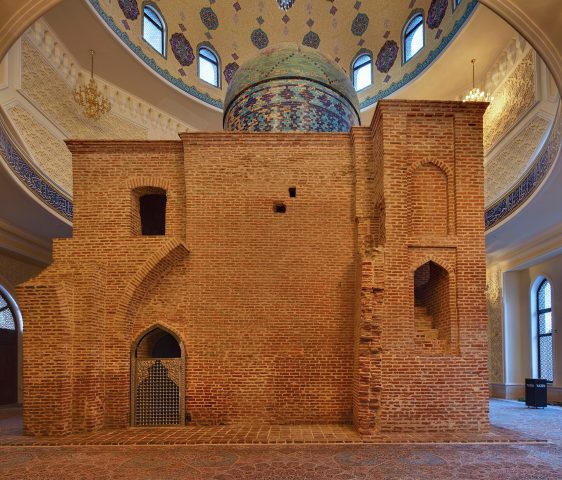
The building that houses the museum is itself a piece of history. Its architecture blends European influences with local styles, a reflection of the town’s multicultural past. The wooden beams, spacious rooms, and large windows create an atmosphere that feels both intimate and expansive, as if the walls themselves are whispering stories of the people who once walked these halls. The layout of the exhibits encourages visitors to move at their own pace, allowing time to absorb the context behind each artifact. There’s no rush here—just the quiet rhythm of discovery.
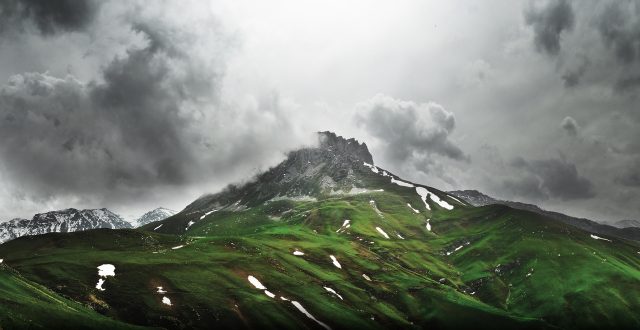
One of the museum’s most compelling sections is dedicated to the natural history of the Goygol region. The area is renowned for its biodiversity, and the exhibits here include pressed plants, taxidermied animals, and photographs of the landscapes that define the surrounding Goygol National Park. The displays highlight the delicate balance between human activity and the natural world, showing how the town and its people have both shaped and been shaped by the environment. It’s a reminder that history isn’t just about people—it’s also about the land they inhabit and the ecosystems that sustain them.
Beyond its permanent collection, the museum serves as a cultural hub for the community. Temporary exhibitions, lectures, and discussions with local historians bring the past to life in ways that static displays cannot. These events often feature personal stories from longtime residents, offering insights into how the town has evolved over the decades. For visitors, these moments can be the most memorable—hearing firsthand accounts of life in Goygol, whether during the German era, the Soviet period, or the years following Azerbaijan’s independence. The museum becomes a space where history is not just observed but experienced, where the past feels tangible and alive.
What makes the Goygol Historical and Local Lore Museum special is its ability to make history feel personal. It’s not a place where you’re overwhelmed by the sheer volume of artifacts or the grandeur of the setting. Instead, it’s a space where you can sit with a single photograph, a handwritten letter, or a well-worn tool and imagine the lives of the people who once held them. The museum doesn’t just present history—it invites you to connect with it, to see the threads that link the past to the present. In a world where so much is fleeting, this quiet corner of Goygol offers a chance to pause and reflect on the stories that have shaped a town, a region, and the people who call it home.
For those who venture beyond Azerbaijan’s more famous destinations, the museum is a rewarding stop. It’s a place where the history of a small town becomes a microcosm of the broader forces that have shaped the Caucasus—migration, cultural exchange, resilience, and adaptation. The exhibits don’t just tell the story of Goygol; they tell the story of how people, over centuries, have made a home in this corner of the world. And in doing so, they remind us that history isn’t just something we read about—it’s something we carry with us, in the places we visit and the stories we choose to remember.