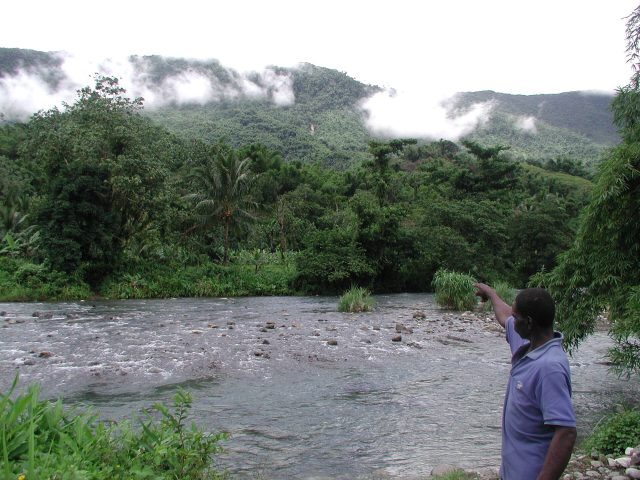
Erambie Marina sits quietly in Port Antonio’s sheltered bay, where the Caribbean Sea meets a coastline untouched by the island’s more crowded resorts. There are no neon signs or crowded promenades here, just the gentle rhythm of water lapping against wooden docks and the occasional call of a seabird. The place feels removed from time, a corner of Jamaica where the pace slows to match the tide.
The bay itself has been part of the island’s story for centuries. In the 19th century, Port Antonio was one of Jamaica’s busiest ports, shipping bananas, coconuts, and spices to distant markets. Steamships once crowded the harbor, and the waterfront buzzed with activity—warehouses, customs offices, and the constant hum of trade. Over time, the port’s importance faded, but the bay retained its quiet charm. Today, Erambie Marina occupies this same stretch of water, offering a safe haven for yachts and fishing boats drifting in from across the Caribbean.
The marina’s design is unassuming, blending practicality with a nod to local tradition. Low wooden buildings with thatched roofs echo the style of old Jamaican homes, while the docks curve gently along the shoreline without disrupting the natural landscape. Mangroves fringe the water, their tangled roots stabilizing the shore and sheltering small crabs, herons, and the occasional dolphin. The air carries the scent of salt and damp earth, a reminder of how closely land and sea intertwine here.
Beyond its role as a docking point, the marina serves as a gathering place for the community. Local fishermen often tie up their boats here, selling their catch straight from the hull to anyone passing by. Visitors might watch as they clean fish on the docks or mend nets in the shade of a palm tree. In the evenings, the marina comes alive in a different way—lanterns flicker on the water, and sometimes, if you’re lucky, you’ll hear the strum of a guitar or the murmur of voices singing along. There’s no grand performance, just the easy, unplanned music of people at ease.
For sailors, Erambie Marina is more than just a place to moor. It’s a gateway to some of Jamaica’s most secluded spots. From here, it’s a short trip to Frenchman’s Cove, where a freshwater stream spills onto a crescent of golden sand, or to the Blue Lagoon, its waters shifting from turquoise to deep indigo depending on the light. The coastline around Port Antonio is rugged and wild, with cliffs draped in vines and hidden coves accessible only by boat. The marina makes these places feel within reach, as if the real adventure begins just beyond its docks.
Port Antonio itself is a town that resists the polished veneer of Jamaica’s more tourist-driven destinations. There are no all-inclusive resorts or duty-free shops here, just narrow streets lined with pastel-colored houses and the occasional rum bar where locals gather at the end of the day. The marina reflects this unpretentious spirit. It doesn’t try to impress with luxury or spectacle; instead, it exists as part of the landscape, as natural as the mangroves or the curve of the bay. For many travelers, this is the Jamaica they come seeking—not the one from postcards, but the one that moves to its own quiet rhythm.
If you find yourself in Port Antonio, the marina is worth a visit, even if you’re not arriving by boat. Walk along the docks and watch the water ripple under the weight of a pelican taking flight. Sit on the shore as the sun dips below the horizon, turning the sky shades of pink and gold. Listen to the creak of wooden planks and the distant chatter of fishermen sorting their nets. There’s no agenda here, no must-see attractions—just the simple, enduring presence of a place where the sea and the land have been in conversation for generations. It’s the kind of spot that lingers in your memory long after you’ve left, not because of anything grand it offers, but because of the way it makes you slow down and pay attention.