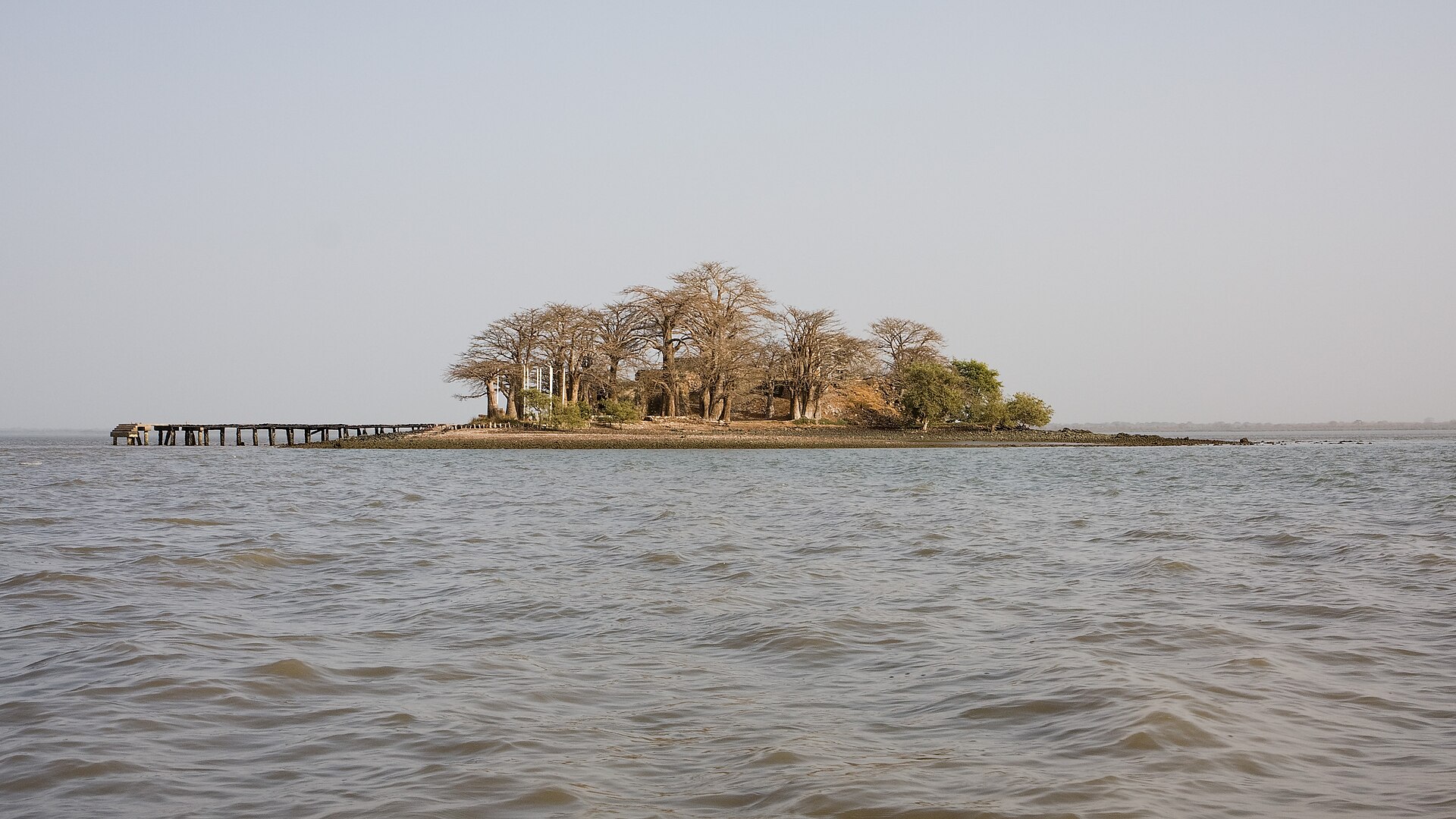
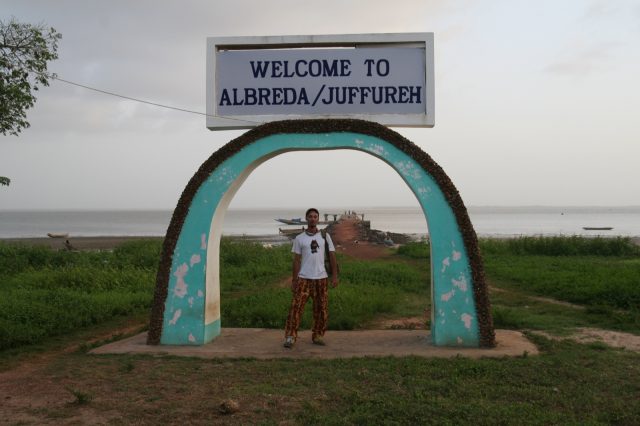
Albreda is a quiet riverside settlement where time seems to slow down, untouched by the usual tourist crowds. The streets here carry the weight of history, particularly from the era when this stretch of the Gambia River was a pivotal point in the transatlantic slave trade. The small park in Albreda may not be grand, but it holds a quiet significance, offering a space to reflect on the past. Tucked near the riverbank where ships once docked, it feels like a place where history lingers in the air.
The park itself is modest, yet its meaning extends far beyond its size. At its center stands a simple but powerful monument dedicated to the victims of the slave trade—a sculpture that embodies both suffering and resilience. The trees around it provide shade from the sun, their branches swaying gently as if inviting visitors to pause and think. There are no manicured gardens or elaborate displays, just the natural surroundings creating a sense of calm, as if the land itself is urging you to listen.
Founded in the 17th century as a trading post, Albreda’s history is deeply intertwined with European colonial powers. The Portuguese were the first to establish a presence here, followed by the French and later the British. The town became a key hub in the slave trade, with thousands of people forcibly taken from these shores to the Americas. Today, remnants of that past remain not only in monuments but also in the old buildings scattered through the settlement. Some have been repurposed, but their walls still hold echoes of what once was.
This small park is more than just a green space—it’s a memorial. It was created to honor those who suffered and to ensure that the darker chapters of history are not forgotten. Occasionally, local events are held here, focusing on Gambian culture and heritage, and residents sometimes come simply to sit in quiet contemplation. There are no grand plaques or dramatic inscriptions; the place speaks for itself in its understated way.
The streets around the park are quiet, lined with single-story homes topped with corrugated iron or tiled roofs. Some houses are adorned with traditional patterns, adding a touch of local character to the scene. The people of Albreda are friendly but unobtrusive, accustomed to the occasional visitor who strays from the usual tourist paths. There are no luxury hotels or bustling restaurants here, and that’s precisely what makes the town special. It offers a glimpse of the real Gambia, far from the well-trodden routes.
The Gambia River, flowing nearby, has always been the lifeblood of Albreda. For centuries, it provided food and served as a vital transport route connecting the town to other settlements. Today, you can still take a boat along its waters, watching life unfold on the banks—fishermen casting their nets from hand-carved canoes, children playing by the shore. The river gives the town its rhythm, a reminder of how deeply life here is tied to the natural world.
Albreda’s small park is where history and the present intersect. It doesn’t aim to impress with scale or spectacle, and that’s its strength. Here, you can connect with the past without the distractions of modern noise. For those curious about Africa’s history and the stories of the people who lived along this river centuries ago, Albreda is a revelation. It’s not just a stop on the way to somewhere else—it’s a place worth visiting in its own right, offering a different perspective on Gambia.