Makalu-Barun isn’t just another national park in Nepal—it’s one of the last places on Earth where the wildness of nature still feels untouched. Tucked into the eastern Himalayas near the Tibetan border, this remote corner of the world holds some of the most dramatic landscapes you’ll ever see. The park takes its name from two giants: Makalu, the fifth-highest mountain on the planet, and the Barun River, a sacred waterway that carves its way through deep valleys and nourishes the land below. Here, the terrain shifts from steamy tropical forests at the foothills to icy glaciers and snowfields above 8,000 meters, all within a single glance. It’s a place of extremes, where the air itself seems to change with every step you take.
The history of Makalu-Barun is as rugged as its peaks. For centuries, the region remained overshadowed by Everest, its towering neighbor to the west. But in the mid-20th century, European climbers began to turn their attention here, drawn by Makalu’s sheer walls and untamed beauty. The first successful ascent came in 1955, when a French team led by Lionel Terray stood on the summit after a grueling expedition. Since then, the mountain has become a proving ground for serious mountaineers—those who seek not just altitude, but the kind of raw, unfiltered wilderness that’s nearly vanished elsewhere. Yet the park isn’t just about the peaks. Hidden in its valleys are rare creatures like the snow leopard and red panda, while small communities of Sherpa and Rai people still live much as they have for generations, their lives shaped by the rhythms of the land.
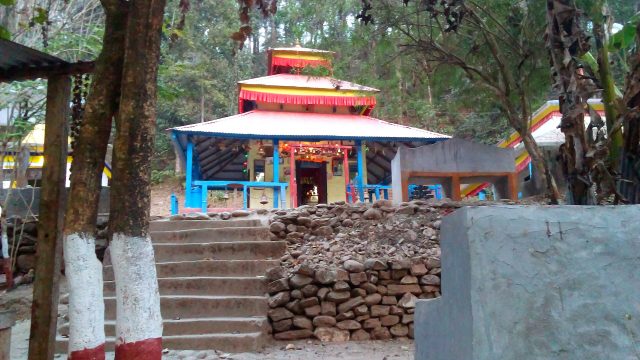
There’s little in the way of grand architecture here—nature itself is the only monument that matters. But if you look closely, you’ll find the quiet marks of human presence: stone huts and monasteries clinging to the hillsides, built from local materials with a simplicity that makes them almost invisible against the landscape. These structures tell a story of people who have always seen themselves as part of the mountains, not their conquerors. In some villages, traditional homes with flat roofs still serve as drying racks for grain and herbs, their walls adorned with prayer flags that flutter in the wind. The buildings don’t dominate the scenery; they blend into it, as if they’ve grown from the earth itself.
A journey through Makalu-Barun is nothing like a stroll through a manicured park. There are no crowds, no luxury lodges, no well-worn paths leading to predictable viewpoints. Instead, the trails wind through dense forests where vines twist around ancient trees and the air is thick with the scent of damp earth and pine. Higher up, alpine meadows burst with wildflowers during the brief summer months, before giving way to rocky slopes and glaciers where every step demands caution. Local guides sometimes joke about the yeti—the legendary snowman said to roam these parts—though no one’s ever found proof. Still, the atmosphere here is so charged with mystery that it’s easy to believe in the impossible.
For those who aren’t here to climb, Makalu-Barun offers something even rarer: a chance to see the Himalayas without the gloss of tourism. There are no souvenir stalls or staged cultural performances, no villages built to cater to outsiders. When you meet the locals—whether Sherpa herders or Rai farmers—it’s on their terms. They welcome visitors with warmth, but their lives aren’t designed for tourists. They tend their yaks, grow potatoes and buckwheat, and gather around fires at night to share stories of mountain spirits. Time moves differently here. A short trek can feel like stepping back centuries, to a time when humans still lived in harmony with the land rather than trying to bend it to their will.
The climate shifts as dramatically as the landscape. Down in the valleys, the air is hot and humid, especially during the monsoon season when rains turn trails into rushing streams. Higher up, the temperature drops, and even summer nights can be bitterly cold. Above the tree line, snow and ice rule year-round, with temperatures rarely rising above freezing. The best times to visit are spring and autumn, when the weather is more stable and the skies clear to reveal the jagged silhouettes of the peaks. But even then, conditions can change in an instant, turning a sunny afternoon into a storm.
Makalu-Barun isn’t the kind of place you visit for a quick photo op. It’s for those willing to spend weeks on the trail, facing challenges that test both body and mind. There are no shortcuts, no guarantees of comfort—just the raw, unfiltered beauty of a landscape that hasn’t been tamed. The silence here is profound, broken only by the wind or the distant roar of a river. It’s a place where you can’t help but feel small, not in a way that diminishes you, but in a way that reminds you of something larger than yourself. This is one of the last corners of the world where nature still sets the rules, and those who come here leave with more than just memories—they leave with a sense of having touched something wild and untouched.