The Arun Valley is one of those rare corners of Nepal that remains largely untouched by the well-trodden paths of tourism. Tucked away in the eastern part of the country, in the Sankhuwasabha district, it stretches along the Arun River as it carves its way through the Himalayas, creating a narrow but fertile strip of land. The valley begins at the foot of Kanchenjunga, the world’s third-highest peak, and winds southward, gradually widening into the foothills. There are no luxury hotels here, no crowds of travelers—just the quiet rhythm of life, broken only by the rush of the river, the calls of birds, and the occasional voices of locals going about their day.
This valley has long been a crossroads, part of ancient trade routes that once connected Tibet to India. Caravans laden with salt, wool, and medicinal herbs passed through these parts, and the villages served as resting points for merchants and pilgrims. Some of the old stone houses, with their intricately carved wooden beams, still stand as silent witnesses to those times. The people here—mostly Rai, Limbu, and Sherpa communities—have preserved their traditions over generations. Festivals, ritual dances, and crafts like weaving and metalwork are still passed down, keeping the past alive in everyday life.
The landscape of the Arun Valley shifts dramatically as you move through it. In the north, near the river’s source, the terrain is rugged and rocky, with high-altitude pastures and sparse rhododendron thickets. As you descend, the valley softens, giving way to terraced rice fields and dense forests of oak, pine, and Himalayan cedar. These woods are home to elusive creatures like red pandas, Himalayan tahrs, and even snow leopards, though sightings are rare. The Arun River, fed by the glaciers of Kanchenjunga, runs swift and clear here, its waters teeming with trout and other mountain fish.
Life in the valley moves at the pace of the seasons. Mornings begin with women tending to fields of maize, millet, or rice, while men graze livestock or work on small tea plantations. Evenings are spent gathered around hearths, where meals like dal bhat with fiery spices, dried meat, or buckwheat flatbreads are prepared. Electricity is scarce, and after sunset, the villages settle into darkness, lit only by oil lamps and the stars—so bright here that they seem almost close enough to touch.
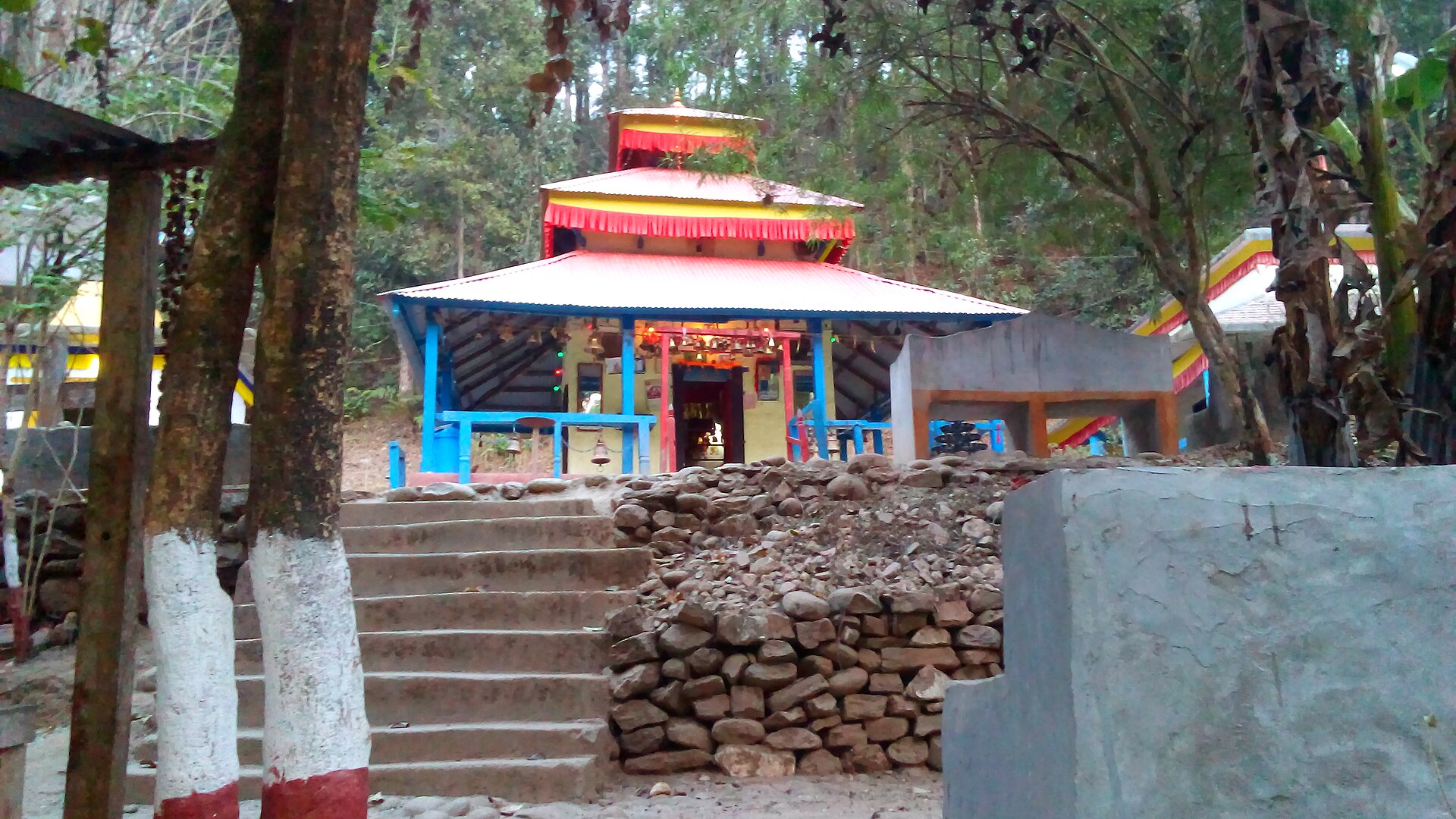
The architecture of the valley is simple but practical. Homes are built from stone and clay, with flat roofs used for drying grain and herbs. Wooden carvings often adorn the windows, and metalwork on the doors is said to ward off evil spirits. Scattered among the villages are small Buddhist stupas and Hindu temples, modest in size but rich in history. The most notable religious site is the Palri Monastery, perched on a mountainside. Founded centuries ago, it remains a place of pilgrimage for Buddhists from the surrounding areas.
The best way to explore the Arun Valley is on foot. Roads are rough, often washed out by rains or blocked by landslides, but the trails—worn smooth by generations of locals—lead through some of the most breathtaking scenery in the region. They wind past waterfalls, over passes with sweeping views of snow-capped peaks, and along rivers where you can stop to cool off in the crisp water. Overnight stays are usually in guesthouses or with local families, who welcome visitors with warmth and curiosity. There’s no expectation of tips or gifts, just an openness to shared stories and simple kindness.
The valley is at its most magical in spring and autumn. In April and May, rhododendrons burst into bloom, painting the hillsides in vibrant hues and filling the air with their sweet scent. By September and October, the rice fields turn golden, and the skies clear to reveal unobstructed views of Kanchenjunga and the surrounding Himalayan giants. Winters are cold, especially in the higher elevations, but the sight of the valley blanketed in snow, the silence broken only by the crunch of footsteps, is unforgettable.
This isn’t a place for those seeking comfort or entertainment. There are no resorts, no bustling markets, no tour buses. Instead, the Arun Valley offers something far more precious: a glimpse of Nepal as it was decades ago. The air is clean, the people are welcoming, and time seems to move to its own rhythm. For those willing to trade modern conveniences for authenticity, the valley is a revelation—a quiet, unspoiled corner of the Himalayas where the past and present coexist in harmony.