The Lutheran Church of Paramaribo stands quietly along the Waterkant, a place where the past lingers in the air like the scent of old wood and tropical rain. Built in the mid-18th century, it is one of the few remaining structures that still carries the weight of Suriname’s colonial history—a time when Dutch settlers, enslaved Africans, and Indigenous peoples shaped the land in ways that still echo today. The church is not just a relic; it is a living piece of the city, a place where history feels tangible rather than distant.
From the outside, the building is unassuming, its whitewashed walls and arched windows a testament to the Dutch colonial style adapted to the humid climate of the tropics. The wooden clock tower, simple yet sturdy, rises above the surrounding rooftops, a reminder of the craftsmanship that defined an era when wood was not just a building material but a lifeline. Inside, the space is equally restrained—plain wooden pews, an unadorned altar, and high ceilings that allow the breeze to drift through. There is no grandeur here, only the quiet dignity of a faith that values simplicity over spectacle.
The church’s story is woven into the fabric of Paramaribo itself. When the Dutch established the city as the heart of their South American colony, Lutheran settlers arrived alongside merchants and plantation owners, bringing their religion, language, and customs. For them, the church was more than a place of worship; it was a social hub where deals were struck, news was shared, and the rhythms of daily life unfolded. In a town where most buildings were made of wood, the church’s stone construction set it apart, a symbol of permanence in a world of constant change.
Over the centuries, the church has weathered the shifts of history. The 19th century brought economic decline after the abolition of slavery, and many Europeans left Suriname, shrinking the Lutheran community. Yet the building endured, standing as a silent witness to the ebb and flow of fortune. Today, it remains an active place of worship, though its congregation is small, made up mostly of descendants of Dutch settlers and those drawn to the country’s layered past. Services are still held in Dutch, a language that carries the weight of history in every syllable.
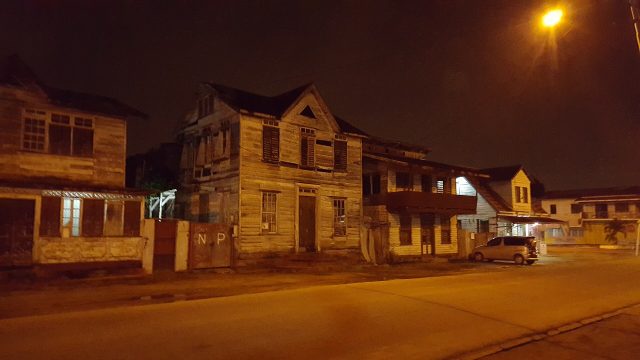
The church is nestled in the heart of Paramaribo’s historic district, where narrow streets are lined with low-slung wooden houses painted in cheerful hues. Walking these streets feels like stepping back in time—the same cobblestones, the same shade-dappled alleys, the same sounds of vendors calling out their wares and church bells ringing in the distance. Nearby, small cafés serve local dishes, and shops offer handmade crafts, adding to the sense that this part of the city has retained its character despite the passage of time.
In 2002, Paramaribo’s historic center was designated a UNESCO World Heritage site, and the Lutheran Church became one of its defining landmarks. It is a place that tells a story of coexistence—of how European traditions, African heritage, and Indigenous roots came together to create something unique. There are no soaring cathedrals or gilded altars here, just the quiet beauty of a building that has stood firm through centuries of change.
Visitors can step inside to see old books, faded photographs, and documents that trace the lives of those who once gathered under its roof. Occasionally, guided tours offer glimpses into the past, sharing stories of the people who shaped the church and the city around it. The experience is understated, but that is part of its charm—there is no need for spectacle when the history speaks for itself.
Suriname is a country where the past is not confined to museums but lives in the streets, in the architecture, in the way people move through the world. The Lutheran Church of Paramaribo is one of those places where that history feels especially close. It does not demand attention, nor does it draw crowds of tourists. Instead, it invites quiet reflection, a moment to pause and consider the layers of time that have shaped this corner of the world. Here, the present and the past exist side by side, and for a little while, it is possible to step into both.