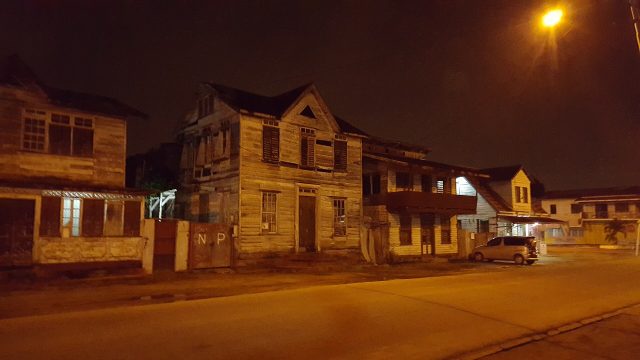
Kwakoe isn’t just a place in Paramaribo—it’s a living piece of Suriname’s soul, where the past and present blend so seamlessly that time feels like it moves to its own rhythm. Tucked away in the capital, it doesn’t have a grand entrance or a tourist-friendly signpost, but ask anyone in the city, and they’ll point you in the right direction. More than a neighborhood, Kwakoe is a symbol, a gathering point for people of all ages and backgrounds, where history isn’t just remembered but actively lived.
The name itself carries weight. Kwakoe is named after Kwako, a figure from Surinamese folklore who became a legend of resistance. In the 18th century, Kwako was an enslaved man who escaped a plantation and led a rebellion against colonial rule. His story turned into a beacon of hope, a reminder of the fight for freedom that shaped the nation. Today, Kwakoe keeps that legacy alive—not through monuments or plaques, but through the everyday: the stories shared over coffee, the music drifting from open windows, the way people move through the streets as if carrying that history with them.
The architecture here isn’t about grand cathedrals or palaces. Instead, it’s the kind of place where the charm lies in the details. Narrow streets wind between wooden houses with louvered shutters, their facades painted in bright, sun-bleached hues. Many of these buildings are built in the traditional Creole style, a mix of European, African, and Indigenous influences that reflects Suriname’s layered history. The wood used in construction isn’t just practical—it’s a nod to the days when Paramaribo was a hub for timber trade, when ships carried mahogany and other precious woods across the Atlantic.
Music is the heartbeat of Kwakoe. On any given day, you might hear the rhythms of kaseko or kawina spilling from a courtyard or a small bar, the sound of drums and guitars weaving through the air. These aren’t just performances; they’re expressions of identity, a way for people to connect with their roots and with each other. Festivals and street parties are common, but even in quieter moments, the music never really fades. It’s the kind of place where a spontaneous jam session can break out at any time, drawing in neighbors and passersby alike.
Markets here are more than just places to shop—they’re social hubs where the city’s pulse is strongest. Stalls overflow with fresh fruit, spices, and handmade crafts, while the air hums with conversation. Vendors call out to customers, children dart between the aisles, and elders sit on benches, debating everything from politics to the weather. It’s where you’ll find the real flavors of Suriname: pom, a rich cassava dish baked with chicken, or roti, the flatbread brought by Indian indentured laborers, now a staple of local cuisine. Eating here isn’t just about the food—it’s about the experience, the way a meal can turn into a conversation, a story, or a shared laugh.
Kwakoe is also where Suriname’s cultural diversity feels most tangible. The country is a mosaic of ethnicities, and in this neighborhood, that mix is on full display. Hindu temples stand near mosques, Christian churches share streets with synagogues, and during festivals, the celebrations overlap. Muslims observe Eid, Hindus light lamps for Diwali, and Christians decorate for Christmas—all within the same few blocks. There’s no tension, just a quiet understanding that these traditions don’t compete but coexist, each adding to the neighborhood’s unique character.
This isn’t the kind of place you visit for a quick photo op. There are no tourist traps, no souvenir shops hawking trinkets, no guided tours rushing you from one spot to the next. Instead, Kwakoe offers something rarer: a chance to see Suriname as it really is. Walk its streets, and you’ll notice the way people greet each other by name, the way a stranger might invite you into their home for a cup of tea. It’s a place where history isn’t confined to museums but spills into everyday life, where the past isn’t just preserved but actively shaping the present.
Evenings in Kwakoe have a different kind of energy. The streets soften under the glow of streetlights, and the scent of cooking—spiced meats, fried plantains, simmering stews—fills the air. Families gather in courtyards, sharing meals and stories, while groups of friends linger outside bars, their laughter mixing with the distant beat of music. There’s no rush here, no need to fill the silence. If you’re lucky, you might stumble upon an impromptu concert or a dance circle forming under the stars, the kind of moment that feels both ordinary and magical.
What makes Kwakoe special isn’t its grandeur or its fame. It’s the way it quietly draws you in, the way it makes you feel like you’ve stumbled upon something real. There are no grand declarations here, no attempts to impress. Instead, it offers something simpler and more enduring: a sense of belonging. For those who come looking for more than just sights, Kwakoe is a revelation—a place where you don’t just see Suriname, but feel it.