Liwonde National Park is one of Malawi’s most celebrated wildlife reserves, a place where the vastness of the savanna meets the winding currents of the Shire River. Unlike the sprawling parks of neighboring countries, Liwonde is compact, its boundaries drawn tightly enough that you can feel the pulse of the wild without spending days traversing endless landscapes. The park’s size doesn’t diminish its impact—instead, it creates an intimacy with nature that larger reserves often lack. Here, the rhythm of life is dictated by the river, the seasons, and the movements of animals that have made this corner of southern Malawi their home.
The park’s history is rooted in conservation, a response to the threats facing Malawi’s wildlife in the mid-20th century. Established in 1973, Liwonde was born out of necessity, a sanctuary created to protect animals from poaching and habitat loss. The Shire River, which cuts through the park, has always been its lifeblood, sustaining both wildlife and the communities that have lived along its banks for generations. Over the decades, the park has evolved from a protected area into a hub for eco-tourism, where visitors can witness not just the beauty of the wild, but also the efforts to preserve it. The balance between human presence and nature’s needs is delicate, and Liwonde offers a rare glimpse into how that balance can be maintained.
Wildlife in Liwonde is abundant and diverse, a testament to the park’s rich ecosystems. Elephants move through the grasslands in family herds, their presence a reminder of the park’s role in protecting these giants. Hippos lounge in the river’s shallows, their grunts and splashes carrying across the water, while crocodiles bask on the banks, motionless until the moment they strike. Buffalo graze in the open plains, and antelope—impala, kudu, and the striking sable—dart through the underbrush. Leopards, though elusive, still roam the park, their presence confirmed by the occasional sighting or the tracks left in the dust. Birdlife is equally impressive, with over 300 species recorded, from the iridescent flash of kingfishers to the ungainly majesty of marabou storks. The best way to experience this abundance is from the water. Boat safaris along the Shire River offer a perspective unlike any other, allowing you to drift past elephants drinking at the water’s edge, hippos submerged up to their eyes, and crocodiles slipping silently into the current.
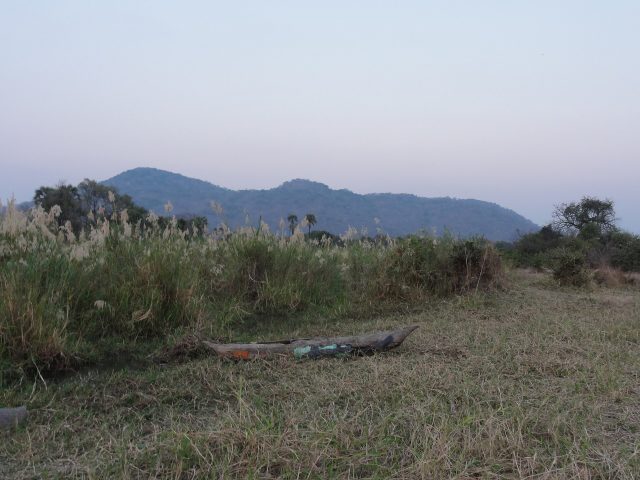
The landscape of Liwonde shifts with the seasons, each bringing its own character to the park. In the north, open grasslands stretch toward the horizon, dotted with acacia trees and the occasional baobab, their silhouettes stark against the sky. To the south, the terrain grows denser, with miombo woodlands—a type of dry forest common in southern Africa—providing cover for smaller animals and birds. Along the river, gallery forests thrive, their tangled roots and overhanging branches creating a world apart from the savanna. The wet season transforms the park into a lush, green expanse, the river swelling and spilling into the floodplains, attracting fish and, in turn, the animals that feed on them. When the dry season arrives, the water recedes, leaving behind scattered pools where wildlife congregates, making it easier to spot herds of elephants or prides of lions drawn to the remaining water.
Exploring Liwonde can be as active or as relaxed as you choose. Traditional game drives remain a popular way to cover ground, but the park’s compact size means you’re never far from the action. Walking safaris, led by experienced guides, offer a slower, more immersive experience. There’s something about moving on foot that changes the way you perceive the landscape—the rustle of grass, the scent of crushed herbs underfoot, the distant call of a bird. Guides point out the small details: the tracks of a leopard, the gnawed bark of a tree where elephants have fed, the nests of weaver birds woven into the reeds. Night drives reveal another side of the park, the beam of a spotlight catching the reflective eyes of a genet or the slow, deliberate steps of a hyena. For those who prefer the water, canoe safaris provide a quiet, unobtrusive way to observe wildlife, the only sounds the dip of a paddle and the occasional snort of a hippo.
What sets Liwonde apart from many other African parks is its sense of quiet. There are no crowds here, no lines of safari vehicles jostling for the best view. The lodges and camps are small, often blending into the landscape rather than dominating it. Many operate with a focus on sustainability, using solar power, minimizing waste, and supporting local communities. Some are perched on the riverbank, where evenings are spent on a veranda, listening to the chorus of frogs and the distant roar of a lion. The stars above are bright and unobstructed, a reminder of how far you are from the glow of cities. It’s a place where you can disconnect, not just from technology, but from the noise of modern life, and simply be present in the moment.
Beyond its appeal to travelers, Liwonde plays a crucial role in conservation and research. Scientists work within the park, studying everything from the migratory patterns of birds to the impact of climate change on local ecosystems. The park has also been a site for reintroduction programs, most notably the return of black rhinos to Malawi after decades of absence. These efforts are part of a broader mission to restore the park’s biodiversity and ensure that future generations can experience the wild as it once was. For visitors, this means that a trip to Liwonde isn’t just about seeing animals—it’s about understanding the challenges they face and the work being done to protect them.
Liwonde offers a different side of Malawi, a country often associated with its namesake lake. While Lake Malawi draws visitors with its clear waters and sandy beaches, the southern region reveals a wilder, more rugged landscape. The park is easily accessible from the town of Liwonde, making it a practical stop for those exploring the country by road. There are no luxury resorts or bustling tourist hubs here, just the raw beauty of the African bush. It’s a place where you can wake to the sound of birds, spend the day tracking elephants through the grasslands, and fall asleep to the distant rumble of thunder over the savanna. In a world where wild spaces are increasingly rare, Liwonde stands as a reminder of why they matter—not just for the animals that call it home, but for the people who come to witness its untamed spirit.