St. Louis de Montfort School in Livonde isn’t in glossy travel brochures. It has no sweeping views or grand monuments, but it offers a quiet glimpse into the rhythm of life in southern Malawi, where education and tradition shape the days as much as the sun and the rain.
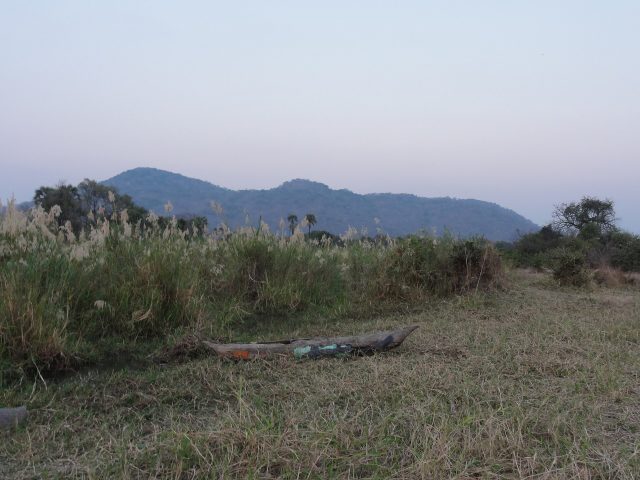
Livonde is a town wrapped in greenery, where the air hums with the sounds of birds and distant voices. The streets are lined with mango trees and flowering bushes, their colors bright against the red earth. The school fits into this landscape—less like an institution and more like a living part of the community.
The school was founded in the mid-20th century by Catholic missionaries, when Malawi was stepping into independence and education was becoming a cornerstone of the country’s future. For generations of children from surrounding villages, St. Louis de Montfort was where they first encountered the wider world. The original mission may have been tied to faith, but the school’s legacy is broader—it became a place where curiosity was nurtured, where children from different backgrounds sat side by side.
The buildings are low-slung brick structures with tiled roofs, classrooms with wide windows to catch the breeze, and a courtyard that doubles as a playground. The red bricks have faded slightly over the years, softened by the sun and the occasional rain. The wooden desks inside bear the scratches and initials of students who have passed through.
Mornings at St. Louis de Montfort begin with the sound of children’s voices spilling into the courtyard. They arrive in neat uniforms, some walking from nearby homes, others from villages farther away. The younger ones chatter; the older students carry themselves with quiet confidence. Teachers greet them by name. During breaks, the courtyard fills with games of football, arguments over homework, and the kind of easy familiarity that comes from years of shared routines.
The school is more than just a place of learning for Livonde. Many parents sending their children here once sat in the same classrooms. The school hosts village meetings, festivals, and fairs where people sell homemade food and handcrafted goods. In a country where resources are often scarce, places like this become anchors.
Visitors might wonder why they’d stop here when there are waterfalls and safaris nearby. But St. Louis de Montfort isn’t a place for spectacle. It’s where you see how a school can be more than a building, how a community gathers around a shared belief in the future. If you arrive at the right time, you might see children bent over their notebooks or the way the light slants through the windows in the late afternoon.
Education in Malawi isn’t a given. For many families, sending a child to school means sacrifices—less help at home, fewer hands in the fields, the cost of uniforms and supplies. Schools like St. Louis de Montfort give children the tools to imagine a life beyond the familiar. A child who learns to read here might one day become a nurse, a teacher, or an engineer. Another might return to their village with new ideas.
There are thousands of schools like this across Malawi. St. Louis de Montfort is one of them, but it embodies something essential about the country. It’s a place where the past and present coexist, where tradition and progress intertwine. The missionaries who founded it are long gone, but their legacy lives on in the way the school continues to serve the community.
If you find yourself in Livonde, walk past the school. Stand by the gate and listen to the sounds from the courtyard—the laughter, the occasional shout, the murmur of a lesson. Watch the children as they move between classes. It’s not the kind of place that will make it into the highlights of your trip, but it might stay with you. Because sometimes, the most ordinary places hold the most extraordinary stories.