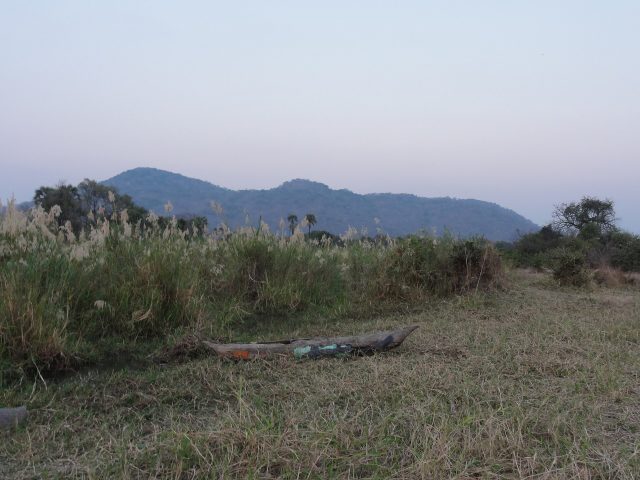
The Shire River is one of Malawi’s great waterways, stretching nearly five hundred kilometers from the depths of Lake Malawi to its eventual meeting with the Zambezi. For Livonde and the surrounding villages, it is far more than a geographical feature—it is the pulse of daily life. Here, the river moves slowly, its broad waters framed by papyrus and reeds, where hippos vanish into the morning mist and herons glide just above the surface. The people who live along its banks call it simply *Shire*, as if it were as natural and unremarkable as the air they breathe or the ground beneath their feet.
The river’s history is woven into the fabric of the region. In the 19th century, its shores were part of the trade routes used by Arab and Portuguese merchants, who transported ivory, slaves, and gold. Later, under British rule, the Shire became a vital transport artery, with steamboats carrying cotton, tea, and tobacco from the interior to the ports of Lake Malawi. Today, little remains of that era—just the rusted skeletons of old docks and the fading memories of elders—but the river still serves as a highway, now for fishing boats and small ferries that connect villages on opposite banks.
There is no grand architecture along the Shire, no monuments or imposing structures. Instead, life here bends to the rhythm of the water. Wooden huts on stilts, thatched with reeds, cluster at the water’s edge, their reflections shimmering in the current. When the rains come, the river swells, flooding the lowlands, and villages seem to float above the water, with people moving between homes by boat. In the dry season, the waters recede, revealing muddy banks where children kick soccer balls and women scrub laundry against the rocks. The only nod to modernity is the old colonial bridge in Livonde, its paint peeling but still sturdy enough to carry trucks and buses, linking the east and west of the country.
For those who live along its banks, the Shire is work, leisure, and sustenance all at once. Fishermen set out at dawn, casting their nets in hopes of tilapia or catfish. The catch is sold right on the shore, where women spread their wares on mats and children dart between customers, offering mangoes or flatbread. On weekends, families gather for riverside picnics, grilling fish over coals and boiling maize, while elders recount tales of crocodiles that once dragged away livestock and river spirits that demand respect. The water is murky, tinged red from the clay, but locals drink it without hesitation, believing the river purifies itself.
The Shire is also a boundary between worlds. Along its shores, different peoples—Chewa, Yao, Nyanja—live side by side, each with their own traditions and languages. In the villages, ancient customs tied to the river endure. Before the fishing season begins, offerings are cast into the water to appease the spirits and ensure a good catch. During droughts, people wade into the shallows to pray for rain, convinced the river will hear them. In Livonde, where the river widens, women in bright fabrics wash clothes on the rocks while men mend nets at the water’s edge. There are no tourist attractions here, just the quiet sense that time moves differently—slowly, like the river itself.
In recent decades, the Shire has faced the pressures of a changing world. Hydroelectric dams upstream now harness its power, providing electricity to Malawi, but downstream, the water’s flow has become unpredictable. Some years, floods ruin crops; others, the river shrinks, leaving fishermen with meager catches. During the rainy season, plastic bottles and bags wash ashore, tangled in the reeds. Local efforts to clean the banks help, but the problem persists. Still, for most who live along the Shire, the river remains a source of life, not trouble. They continue to live by its rhythms, as their ancestors did, and in return, it provides them with fish, water, and relief from the heat.
For travelers who find their way here, the Shire can feel like a place untouched by time. There are no crowded resorts, no tour buses, not even proper roads along the banks—just dirt paths for walking or cycling. Yet that is part of its charm. You can hire a boat from a local fisherman and drift upstream, watching the landscape shift from sandy beaches near Livonde to rocky cliffs closer to the Mozambican border. Or you can simply sit on the bank with a cup of tea, listening to the water lap against the shore and the calls of birds overhead. There is nothing extraordinary about it, and that is precisely the point. What the Shire offers is something rare in the modern world—stillness, a sense of belonging, and the quiet understanding that some things endure.