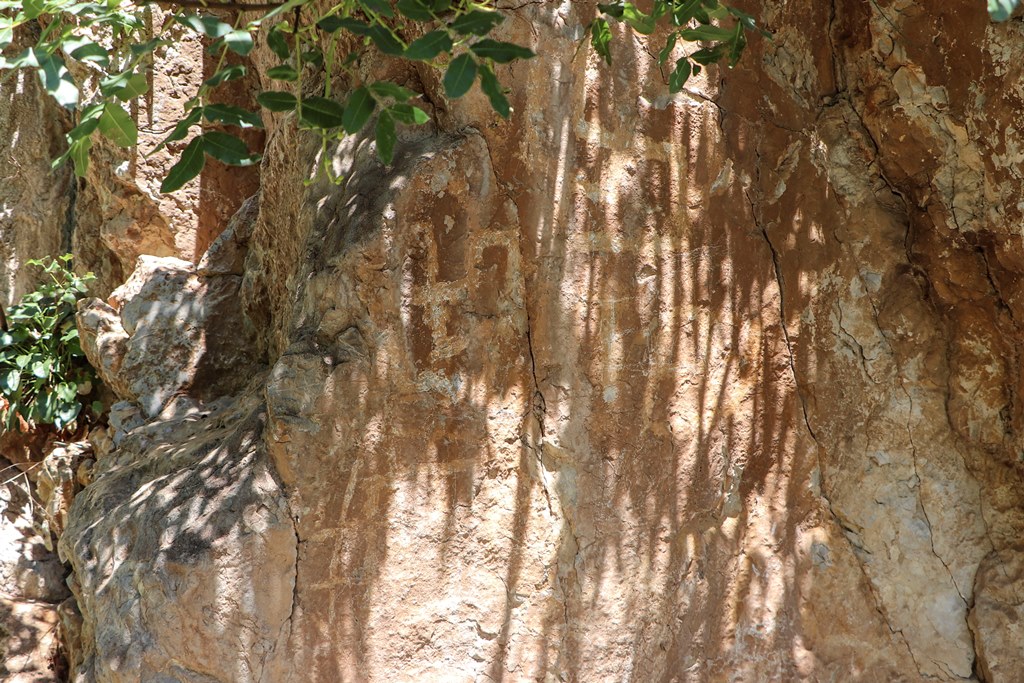
Lipci is a quiet village tucked along the edge of the Bay of Kotor, known for something far older than its stone houses or olive groves. The real draw lies just beyond the settlement, where a rocky slope holds traces of human hands from thousands of years ago. To reach them, you leave the coastal road behind, following a narrow path uphill until the limestone face of the cliff comes into view. There, exposed to wind and sun, are faint but unmistakable markings—figures of hunters, animals, and symbols whose meanings have long faded. The drawings were made with ochre and charcoal, and though time has worn them down, their outlines remain, stubbornly clinging to the rock.
These images date back to the Bronze Age and early Iron Age, a time when the bay looked different—lower, wider, and framed by a landscape that hasn’t survived unchanged. The scenes depict hunters with bows pursuing deer, their movements frozen in a moment that feels both distant and immediate. Alongside them are abstract shapes—spirals, crosses, zigzag lines—whose purpose is still debated. Some scholars suggest this was a sacred site, a place where tribes gathered for rituals tied to the hunt or the changing seasons. Others see it as a record of daily life, a snapshot of a world that existed long before written history. Whatever their original intent, the drawings offer a rare glimpse into the minds of people who left no other traces behind.
The cliff itself is unassuming, part of a hillside that slopes gently toward the water. In ancient times, it would have been more prominent, rising above a shoreline that has since shifted. Today, the vegetation has grown denser, and the sea has crept closer, but the rock still catches the light in a way that makes the drawings easier to see at certain hours. Early morning or late afternoon is best, when shadows deepen the grooves and bring the figures into sharper relief. At midday, the sun flattens the images, washing out details until they seem to disappear entirely.
Unlike the famous cave paintings of Lascaux or Altamira, Lipci’s rock art doesn’t impress with scale or complexity. There are no vast underground chambers, no vivid colors layered over one another. Instead, these are fragments—small, weathered, and vulnerable. Rain and wind have already taken their toll, and it’s easy to imagine how much has been lost over the centuries. The local community treats the site with quiet respect, but it’s not a place that draws crowds. There are no signs pointing the way, no gift shops or guided tours. Most visitors come by accident or word of mouth, and those who do find it often linger longer than they planned, struck by the sense of stepping into a story that predates everything around it.
The study of these drawings is relatively recent. The first serious research didn’t begin until the mid-20th century, when archaeologists noticed the unusual markings on the cliff. Since then, a handful of expeditions have tried to piece together their origins, but no definitive answers have emerged. Some link the art to the Illyrian tribes who once inhabited the region, while others argue for an even older connection. What’s clear is that Lipci is one of the few surviving records of a time before cities, before empires, when the people here lived in a world defined by the land and the sea.
Getting here requires a bit of effort. There are no flashy signs or well-marked trails—just a turn off the main road toward the village, followed by a short walk past olive trees and old stone houses that look much as they have for generations. Lipci itself is little more than a cluster of homes, a small church, and a square where locals gather in the evenings. The rock art is set slightly apart, easy to miss if you don’t know where to look. But for those who make the journey, it’s a chance to see something that exists outside the usual tourist routes, a quiet reminder of how long humans have been leaving their mark on this stretch of coast.
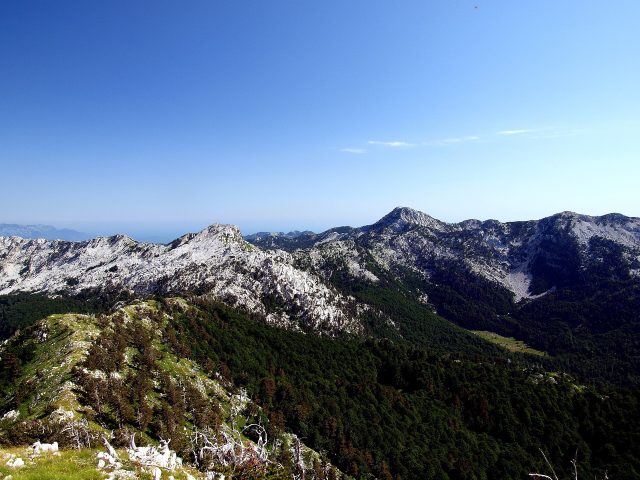
The landscape around Lipci is typical of the Montenegrin coast—dry, sunbaked hills covered in scrub and wildflowers, with the bay shimmering below. Summers are hot, the air thick with the scent of herbs and salt, while winters bring cooler winds that sweep down from the mountains. The cliff where the drawings are found absorbs the heat, and in the middle of the day, the rock can be too warm to touch. Spring and autumn are the best times to visit, when the hills burst into color and the sea takes on a deeper blue. It’s in these seasons that the place feels most alive, as if the land itself is holding its breath, waiting for the next person to discover its secrets.
This isn’t a site to rush through. There’s no need to take a dozen photos or check it off a list. Instead, it invites you to sit for a while, to let your eyes adjust to the faint lines on the rock and imagine the hands that made them. Perhaps the artists were hunters, recording a successful chase, or maybe they were storytellers, leaving behind symbols that once meant something to their people. Today, those meanings are lost, but the drawings endure, fragile and persistent. They’re all that’s left of a world we can never fully know, and in that way, they feel more precious than any museum relic.