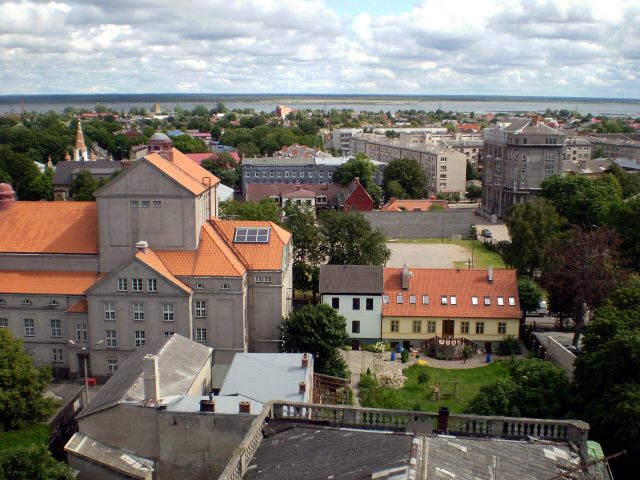
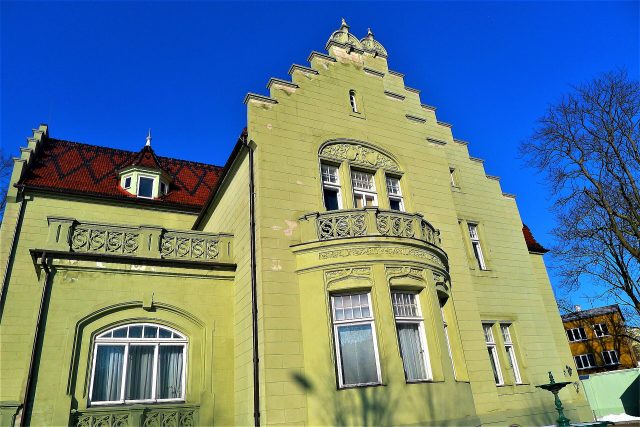
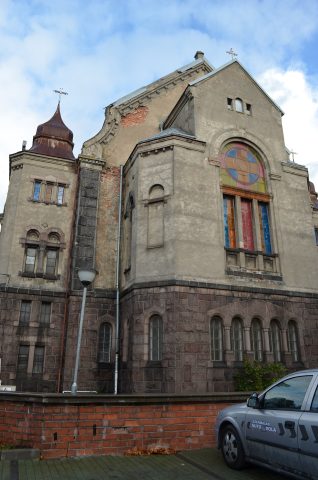
Liepāja Fortress is one of those rare places where history isn’t just preserved in stone—it lingers, almost defiantly, refusing to fade into obscurity. Perched on the edge of the Baltic Sea, it was once a cornerstone of the Russian Empire’s defenses, a formidable stronghold designed to guard newly acquired territories. Unlike the romantic castles of medieval Europe, with their soaring towers and battlements, this fortress is a study in raw functionality. There’s no grandeur here, just the unyielding logic of 18th- and 19th-century military engineering, where every earthwork and ditch served a single, brutal purpose: survival.
Construction began in 1778 under Catherine the Great’s decree, a direct response to Russia’s expanding influence along the Baltic coast. The project was overseen by military engineer Ivan Gerard, and the scale of the undertaking was staggering. Thousands of laborers—peasants and soldiers alike—dug into the earth, shaping vast ramparts, moats, and bastions. The fortress was conceived as an impregnable citadel, capable of withstanding prolonged sieges, though it never saw major combat. Its true legacy lies not in battle, but in its sheer scale, a silent testament to the ambitions of an empire that sought to dominate the region.
What makes Liepāja Fortress unique is its design. Unlike traditional stone fortresses, it relies on earthen fortifications—gentle slopes now covered in grass and shrubs, blending almost seamlessly into the landscape. There are no towering walls here, just a labyrinth of ditches, counter-scarps, and lunettes, each element meticulously positioned to create overlapping fields of fire and blind spots for attackers. The central citadel, encircled by water, was once a last line of defense, its approaches guarded by bastions bristling with cannons. Today, these ramparts appear deceptively peaceful, but their strategic precision is still evident to those who look closely.
By the 19th century, the fortress had outlived its military purpose. Over time, its buildings were repurposed—barracks became warehouses, and later, a prison took root within its walls. During the Soviet era, the site was sealed off as a restricted military zone, its existence known to locals mostly through whispers. It wasn’t until Latvia regained independence that the fortress began to open its gates to the public, though even now, it remains one of the country’s lesser-known historical sites. Perhaps that’s why it retains such an authentic, almost untouched atmosphere. There are no crowds, no guided tours with rehearsed scripts—just the quiet weight of history pressing against your shoulders.
Wandering through the fortress today feels like stepping into a forgotten corner of the past. You can walk along the grassy ramparts, descend into the cool darkness of the casemates, or sit by the canal, watching the water lap against the old stone embankments. A handful of buildings still stand within the citadel—former barracks, powder magazines—but most are empty, their interiors stripped bare or used for storage. Yet these crumbling structures add to the fortress’s charm. There are no reconstructions here, no attempts to sanitize the past. The walls are exactly as they were, bearing the scars of generations of soldiers, prisoners, and laborers who once called this place home.
The fortress isn’t just a relic of military history; it’s also a defining feature of Liepāja’s landscape. Situated on what was once an island between the canal and the sea, it’s still partially cut off from the rest of the city by water. A park now surrounds the fortress, a green space where locals stroll in summer and ski in winter. Nearby, a narrow strip of sand serves as one of the city’s most unusual beaches, squeezed between the fortress’s earthworks and the Baltic’s restless waves. When storms roll in, the sea crashes against the old stones, a reminder that nature, in the end, always outlasts human ambition.
This isn’t a place for those seeking spectacle or entertainment. There are no interactive museums, no souvenir shops, no cafes with panoramic views. What you’ll find instead is silence, space, and the unfiltered presence of history. As you walk the ramparts, it’s easy to imagine the tramp of soldiers’ boots, the creak of gates swinging open to admit supply wagons, or the quiet lapping of water against the canal walls on a still night. The fortress doesn’t narrate its own story—it simply exists, and that alone makes it extraordinary.
In recent years, the fortress has quietly become a draw for those who appreciate history, photography, or solitude. Artists set up easels along the paths, photographers hunt for the perfect angle, and others come simply to think, undisturbed. There’s been talk of restoring some of the buildings, but for now, those plans remain just that—plans. Maybe that’s for the best. Some places are better left as they are, untouched by modern expectations.
Liepāja Fortress is a reminder that history isn’t always dramatic or heroic. Sometimes, it’s quiet, unassuming, nearly forgotten. It doesn’t demand attention or try to impress visitors. But if you take the time to visit, you’ll likely leave with a sense of having touched something real. Because history isn’t just about dates and facts—it’s about the echoes they leave behind, the way a place can make you feel long after you’ve walked away.