Nestled in the rolling hills just outside Antananarivo, Lemurs’ Park offers a rare glimpse into Madagascar’s wild heart without the confines of a traditional zoo. The air here carries the scent of eucalyptus and damp earth, a quiet contrast to the bustle of the capital. Unlike most wildlife reserves, the park doesn’t rely on cages or barriers—lemurs move freely through the trees, sometimes venturing close enough to watch visitors with their wide, curious eyes. It’s a small space, but carefully designed to showcase the astonishing variety of these primates, found nowhere else on Earth.
The park began in the early 2000s as a conservation effort, born from the realization that Madagascar’s lemurs—over a hundred species in all—were disappearing. Deforestation and poaching had pushed many to the brink, and the island’s unique biodiversity needed protection. Here, rare species are bred and studied, with some eventually released back into the wild. For these animals, the park is a temporary refuge, a place to regain strength before returning to their natural habitats. It’s not just a tourist attraction; it’s part of a larger mission to ensure lemurs survive for future generations.
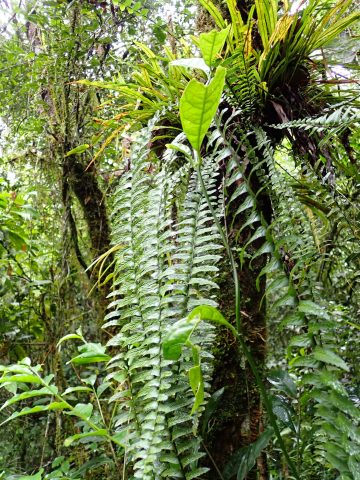
Walking through the park feels like stepping into different corners of Madagascar’s landscapes. One path winds through a grove of towering baobabs, while another leads into dense undergrowth that mimics the island’s jungles. Visitors can explore on their own or join a guide, who explains the social structures of lemur troops, their diets, and the subtle ways they communicate. The most engaging moments often come during feeding times, when the animals gather eagerly, some even allowing a cautious touch. But lemurs remain wild creatures, and their behavior can be unpredictable—best admired from a respectful distance.
Beyond lemurs, the park is home to other native species: chameleons blending into the foliage, tortoises ambling along the paths, and birds flitting between the trees. Yet the lemurs steal the show, from the tiny mouse lemurs to the acrobatic sifakas, which bound through the branches with astonishing grace. Each species has its own rhythm—some active by day, others by night, some brightly colored, others camouflaged. The young are especially captivating, clinging to their mothers or tumbling clumsily as they learn to navigate their world.
The park isn’t just about animals. It’s an attempt to recreate the essence of Madagascar’s ecosystems, with informational signs along the trails explaining the local flora and fauna. A small museum offers deeper insights into the island’s fragile environment, while occasional workshops and talks address the challenges of conservation. For those who want to linger, a café overlooks the valley, serving local coffee and fresh fruit—a quiet spot to reflect on the experience.
What makes Lemurs’ Park different from a typical wildlife reserve is its lack of spectacle. There are no staged shows or forced interactions, just the chance to observe animals in a setting that feels as natural as possible. It’s a place that invites patience, where the real reward comes from simply watching a lemur groom its young or leap between branches. For many visitors, this is their first real encounter with Madagascar’s wild side, a stark contrast to the noise and chaos of Antananarivo.
Behind the scenes, the park functions as a research hub. Biologists, veterinarians, and volunteers work year-round, monitoring the health of the animals and conducting studies on their behavior. Sometimes, visitors might glimpse staff members preparing food or conducting check-ups, while in the lab, scientists analyze DNA samples to better understand the needs of endangered species. For those curious about conservation, the park offers a rare look at the efforts required to protect Madagascar’s unique wildlife.
More than just a tourist stop, Lemurs’ Park is a reminder of how fragile nature can be. It’s easy to forget, in the midst of travel, that these animals are part of a delicate balance—one that humans have disrupted in countless ways. The park doesn’t offer easy answers, but it does provide a space to reflect on the role we play in preserving the natural world. Many leave with a sense of quiet responsibility, having seen firsthand how much there is to lose.
Perhaps that’s why the park lingers in the memory long after the visit ends. It’s not about the perfect photo or the most exciting encounter, but about the quiet moments—the rustle of leaves as a lemur moves overhead, the way sunlight filters through the trees, the realization that this small corner of Madagascar is worth protecting. Here, nature doesn’t need to perform; it simply exists, and that’s enough.