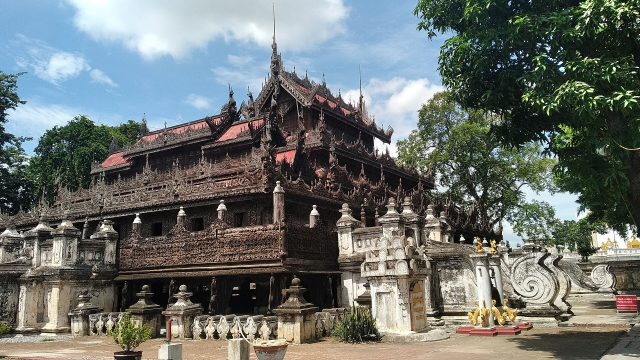
Mandalay is a city that lingers in the imagination as the last royal capital of Burma, a place where golden pagodas stand as silent witnesses to a fading empire. Amid its bustling streets and weathered teak houses, the Mandalay Cultural Museum offers a quiet refuge—a chance to step into the country’s past without the gloss of tourist brochures. Unlike the polished exhibits of major capitals, this museum feels lived-in, its slightly worn displays holding objects that speak for themselves. There are no flashy gimmicks here, just the quiet weight of history in every artifact, from ancient manuscripts to intricately woven textiles.
The building itself is a piece of the city’s story. Constructed in the mid-20th century, when Myanmar was beginning to open to the world while fiercely guarding its identity, the architecture blends colonial influences with traditional Burmese design. High ceilings and large windows allow soft, natural light to filter through the rooms, while wooden beams echo the craftsmanship of old palaces and monasteries. Inside, there are no interactive screens or loud audio guides—just the hush of turning pages and the faint rustle of fabric, as if the past is still breathing.
The first gallery is dedicated to Mandalay’s royal era, where the last kings of Burma once ruled. Here, you’ll find the trappings of their court: thrones carved from teak and inlaid with gold and ivory, silk robes embroidered with shimmering threads, and weapons adorned with delicate engravings. The royal regalia, symbols of power passed down through generations, take center stage. Nearby, photographs and documents tell the story of the monarchy’s fall, when British rule reshaped the country. These objects aren’t just displays of wealth; they’re reminders of how quickly empires can crumble, leaving behind only fragments of their former glory.
Another section of the museum shifts focus to the lives of ordinary people—farmers, artisans, and monks who shaped Burma’s daily rhythms. Tools for tilling the land, clay pots for cooking, and wooden looms for weaving offer a glimpse into traditions that endure in rural villages. The collection of marionettes is particularly striking. Once central to Burmese theater, these puppets weren’t just entertainment; they were a way to teach moral lessons and preserve stories. Each one is a work of art, with its own personality and name, carved and painted with care.
Buddhism, the faith that has shaped Myanmar for centuries, has its own dedicated space. Statues of the Buddha span different eras and styles, from austere figures to graceful, almost ethereal forms. The most fragile treasures here are the palm-leaf manuscripts—sacred texts painstakingly copied by hand and preserved in monasteries. Alongside them are the simple tools of monastic life: alms bowls, meditation fans, and tiny bells used in rituals. These objects aren’t just religious artifacts; they’re threads woven into the fabric of everyday life, showing how deeply faith is embedded in Burmese culture.
The museum also celebrates the crafts for which Mandalay is famous. One gallery traces the making of lacquerware, from bamboo frames to the final layers of intricate painting. Nearby, bronze, silver, and jade pieces gleam under the light, their designs once adorning temples and palaces. The wooden sculptures are especially mesmerizing—mythical creatures, deities, and animals carved with such precision that they seem almost alive. These pieces are the result of centuries-old techniques, passed down from master to apprentice, and they remain a testament to Burma’s artistic legacy.
Visiting the museum isn’t a hurried experience. There are no crowds jostling for space, no rush to move from one exhibit to the next. Instead, there’s time to linger, to read the labels in English and Burmese, and sometimes even to chat with the staff, who are often happy to share stories that don’t make it into the official descriptions. The pace is slow, almost meditative, as if the museum itself is inviting you to step out of the present and into a quieter, older world.
This isn’t a place that dazzles with grandeur or spectacle. It’s modest, unassuming even, and that’s precisely what makes it special. There are no bright lights or loud announcements, no attempts to cater to mass tourism. The Mandalay Cultural Museum exists for those who want to understand Burma not through glossy brochures, but through its people, its history, and the objects they left behind. In a city where the past and present often collide, it offers a rare moment of reflection—honest, unfiltered, and deeply human.