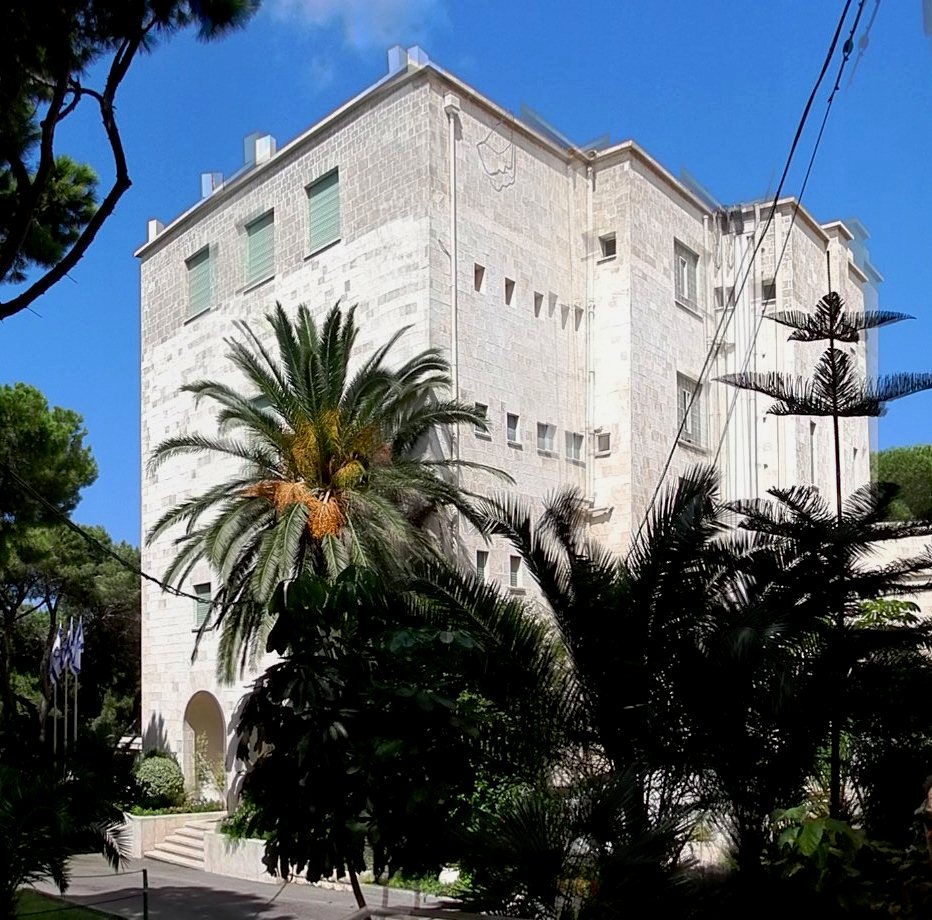
Yavne is one of those Israeli cities that rarely makes it onto tourist itineraries, yet it carries a quiet significance. Nestled between Tel Aviv and Ashdod, it’s a place where the past isn’t just preserved in museums but woven into the fabric of everyday life. The Beit Rutenberg Cultural Center embodies this blend of history and modernity, offering a space where locals and visitors alike can engage with art, ideas, and community without the weight of formality.
The building itself tells a story. Constructed in the mid-20th century, it began as an administrative hub for the local community before evolving into a cultural gathering place. Its architecture is unassuming—light stone walls, large windows that flood the interiors with natural light, and secluded courtyards where the hum of the city fades into the background. There’s no grandiosity here, just a thoughtful design that invites people to linger, whether for an exhibition, a lecture, or a quiet moment with a book.
Yavne’s history stretches back millennia, with roots in biblical times. It was here, according to tradition, that the Great Sanhedrin relocated after the destruction of the Second Temple, making it a pivotal site in Jewish history. Today, the city balances its ancient legacy with the rhythms of contemporary life. Modern neighborhoods stand alongside archaeological sites, and Beit Rutenberg fits seamlessly into this landscape, serving as a bridge between eras. It’s not a place that demands attention but rather one that quietly offers insight into how the past informs the present.
The center is named after Moshe Rutenberg, an engineer and visionary who played a crucial role in shaping modern Israel. In the early 20th century, he was instrumental in developing the country’s electrical infrastructure, a feat that symbolized progress and self-sufficiency. His legacy lives on in the center’s programming, which reflects a similar spirit of innovation and connection. Exhibitions showcase Israeli artists, lectures delve into history and culture, and concerts span classical and contemporary music. There are also educational initiatives for all ages, ensuring that the space remains dynamic and accessible.
What sets Beit Rutenberg apart is its emphasis on dialogue. The center frequently hosts local writers, musicians, and scholars, not for polished presentations but for genuine conversations. These events often unfold in multiple languages—Hebrew, Arabic, English, Russian—mirroring the linguistic diversity of Israel itself. The atmosphere is one of openness, where ideas are exchanged freely and curiosity is encouraged. It’s a place where you might stumble upon a discussion about ancient Jewish texts one evening and a contemporary art workshop the next, all within the same walls.
The architecture complements this ethos. The interiors are spacious and uncluttered, with high ceilings and a minimalist aesthetic that allows the focus to remain on the people and activities within. The courtyards, shaded by trees, become impromptu gathering spots in warmer months, hosting small performances or casual meetups. There’s no need for extravagance when the space itself feels so welcoming—comfortable enough for someone in jeans to feel at home, yet refined enough to host a chamber music recital.
Beit Rutenberg isn’t trying to be anything other than what it is: a living, breathing part of Yavne’s cultural life. It doesn’t operate on a rigid schedule or enforce strict rules. Families come with children, students drop in for a study session, and older residents attend lectures or simply enjoy the quiet. The café attached to the center is a natural extension of this informality, a place where conversations flow as easily as the coffee.
Yavne itself is a city of contrasts. Just a short drive from Tel Aviv’s bustle, it moves at a slower pace, free from the crowds and noise that define more tourist-heavy destinations. There’s a certain charm in its understated nature—the way modern life unfolds alongside remnants of antiquity, the way neighbors greet each other in the street. Beit Rutenberg captures this essence. It doesn’t seek to impress but rather to engage, offering a space where people can pause, reflect, and connect.
For travelers who venture beyond Israel’s well-trodden paths, the center can be a revelation. It’s a window into the country’s contemporary culture, where tradition and innovation coexist, and where people from different backgrounds find common ground. There’s no pretension here, just a genuine desire to share knowledge and foster community. In a world where cultural spaces often feel either overly commercialized or rigidly academic, Beit Rutenberg stands out for its authenticity. It’s a place that reminds you that culture isn’t just something to observe—it’s something to be part of.