Bamenda’s Cultural Centre is one of those places that quietly holds the stories of a city, not through grand monuments or flashy displays, but through the everyday rhythms of life that have shaped it. Tucked away in the heart of this highland city in Cameroon’s Northwest Region, the centre feels less like a museum and more like a living room for the community—a space where tradition and modernity brush shoulders without fuss. It’s the kind of place you might stumble upon while wandering through Bamenda’s bustling streets, drawn in by the sound of drums or the murmur of voices gathered under the shade of its trees.
The building itself is unassuming, a low-slung structure with the kind of architecture that blends into the landscape rather than dominates it. Its design reflects the practicality of the region: sturdy, with wide verandas that offer shelter from both the sun and the occasional rain, and open spaces that invite people to linger. Inside, the walls are lined with artifacts that tell the story of the Grassfields people, the ethnic groups that have called this part of Cameroon home for centuries. There are intricately carved masks, woven textiles in bold patterns, and tools that speak to the region’s agricultural roots. These objects aren’t just relics; they’re part of an ongoing conversation about identity, craftsmanship, and the ways in which people adapt to change.
What makes the centre feel alive is its role as a gathering place. On any given day, you might find a group of elders sharing stories with younger visitors, or artisans demonstrating traditional techniques like beadwork or pottery. The centre isn’t just about preserving the past; it’s about keeping these skills relevant, passing them down in a way that feels organic rather than forced. There’s a sense of continuity here, a reminder that culture isn’t something static but something that evolves with each generation. The workshops and performances that take place here often reflect this fluidity, blending old traditions with contemporary influences.
The Grassfields region has always been a crossroads of sorts, a place where different cultures and histories intersect. Bamenda, as its largest city, has long been a hub for trade, politics, and social life, and the Cultural Centre reflects that diversity. The artifacts on display come from various ethnic groups, including the Bamileke, Tikar, and Bamenda Grassfields peoples, each with their own distinct traditions. The centre doesn’t try to homogenize these differences; instead, it lets them coexist, offering a glimpse into the rich tapestry of the region’s heritage. It’s a subtle but important distinction—this isn’t a place that claims to represent all of Cameroon, but rather one that focuses on the specific stories of the people who have shaped this corner of the country.
For visitors, the centre offers a way to step beyond the surface of Bamenda and engage with the city on a deeper level. It’s not the kind of place where you’ll find neatly labeled exhibits with exhaustive explanations; instead, it invites curiosity and conversation. If you’re lucky, you might strike up a chat with one of the artisans or a local who’s come to spend the afternoon there. These interactions often reveal more than any plaque ever could—the nuances of daily life, the humor and resilience of the people, the small details that make the Grassfields unique. The centre doesn’t just show you what the culture looks like; it gives you a sense of what it feels like to be part of it.
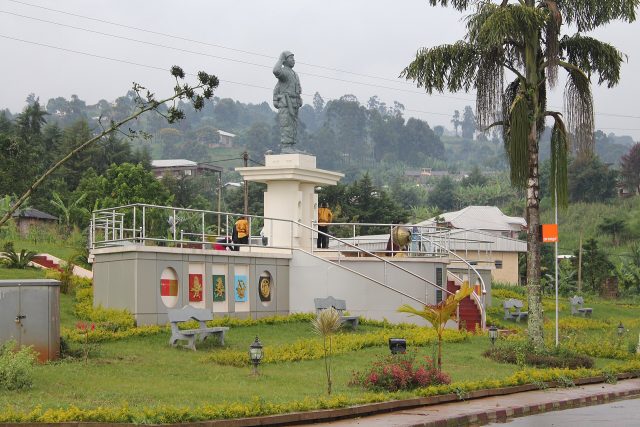
The surrounding area adds to the centre’s charm. Bamenda is a city of hills, and the centre sits in a part of town where the terrain rolls gently, offering views of the lush green landscape that stretches toward the horizon. The air here is cooler than in the lowlands, a relief from the humidity that can make other parts of Cameroon feel stifling. The city itself is a mix of old and new, with colonial-era buildings standing alongside modern shops and markets. The Cultural Centre feels like a bridge between these two worlds, a place where the past isn’t just remembered but actively lived.
One of the most striking things about the centre is how it manages to feel both intimate and expansive at the same time. It’s small enough that you can explore it in an afternoon, yet the stories it holds are vast, stretching back generations. There’s no pressure to rush; the pace here is dictated by the people who use the space, whether they’re setting up for a performance, working on a craft, or simply sitting and talking. It’s a reminder that culture isn’t something to be consumed quickly but something to be savored, like a slow conversation over a cup of locally grown coffee.
If you’re visiting Bamenda, the Cultural Centre is worth seeking out, not because it’s a must-see attraction in the traditional sense, but because it offers something rare: a chance to connect with the city in a way that feels authentic. It’s a place where the line between observer and participant blurs, where you might leave with more questions than answers—and that’s part of the appeal. In a world where so much of travel is about checking off sights, the centre invites you to slow down, listen, and let the stories of the Grassfields unfold at their own pace.