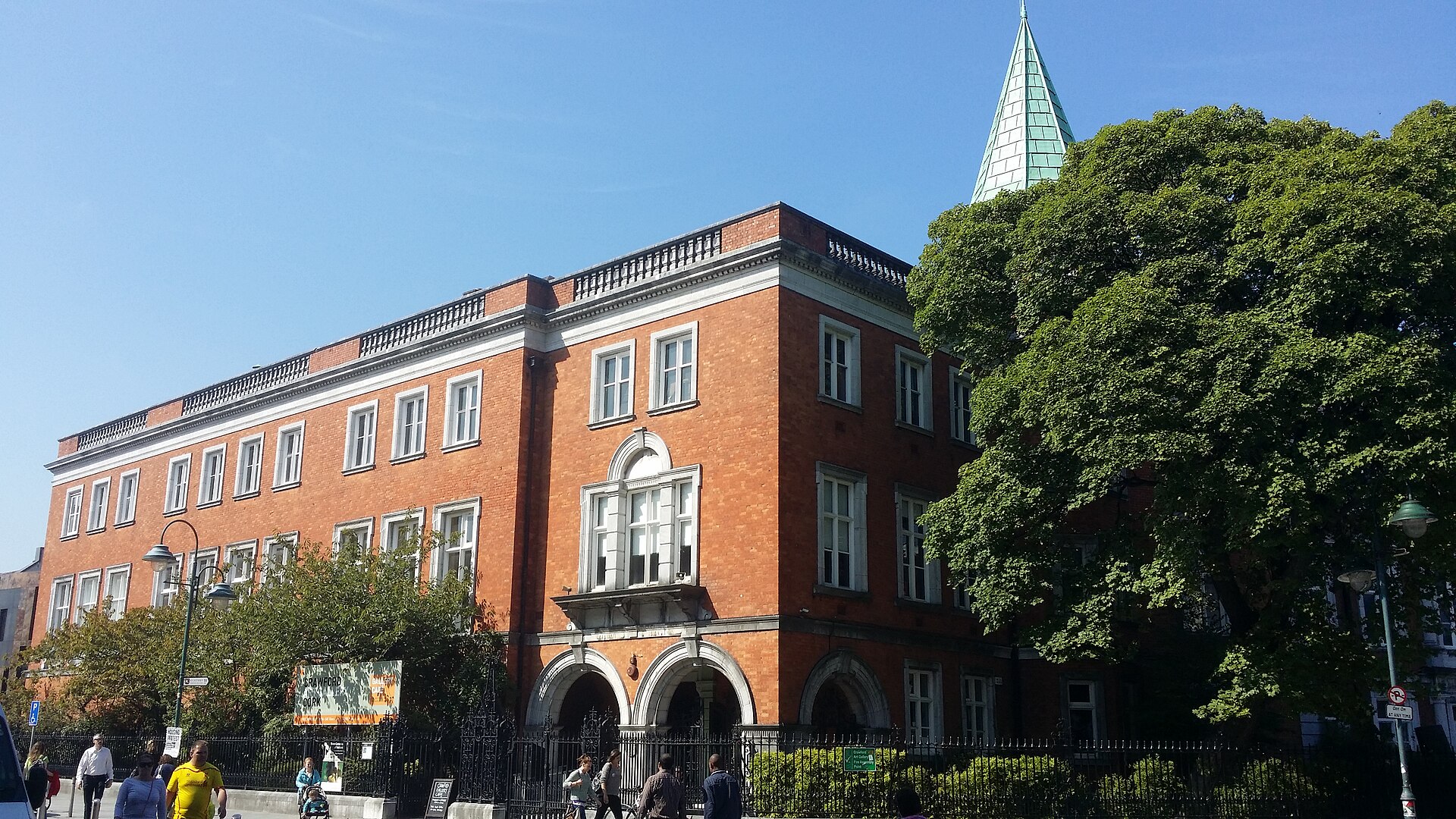
Crawford Art Hall sits quietly on Pope’s Quay in Cong, a place where the past isn’t just remembered—it lingers in the air like the scent of old wood and polished stone. The building itself feels more like a home than a gallery, its walls steeped in the kind of history that doesn’t need plaques to tell its story. Built in the early 1800s, it began as a private residence for one of County Mayo’s prominent families, a grand yet understated house where the local gentry might have gathered for evenings of music and conversation. Over time, it shifted from private hands into public life, becoming a space where art, music, and ideas could take root without losing the warmth of its original character.
The architecture is a fine example of Georgian elegance, a style that flourished in Ireland during the early 19th century. High ceilings, tall sash windows, and symmetrical facades give the building a sense of balance and grace, while inside, the details tell a quieter story. Original fireplaces still stand in their places, their mantels carved with simple, enduring designs. Wooden panels line some of the rooms, their grain darkened by time, and the occasional chandelier casts a soft, uneven light that seems to stretch the hours just a little longer. The main hall, with its broad gallery, was once a place for gatherings, and today it serves much the same purpose—only now, the conversations are between artists and their audience, between the past and the present.
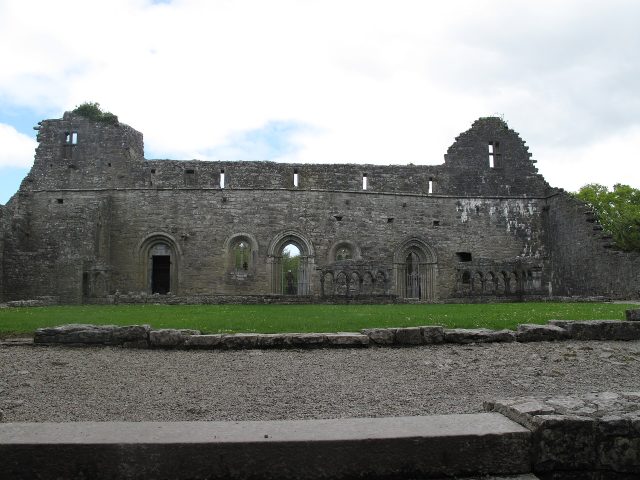
Cong is a town that wears its history lightly, where ancient ruins and medieval castles stand alongside everyday life without fanfare. Crawford Art Hall fits naturally into this landscape, not as a relic but as a living part of the community. Locals drop in for a cup of tea after a walk along the river, or to browse the latest exhibition, while visitors often find themselves lingering longer than they intended. There’s no rush here, no sense of being hurried along by a schedule. The hall doesn’t demand attention; it simply offers a space to pause, to look, and to listen.
One of the most compelling aspects of the hall is its role in preserving Ireland’s artistic heritage. In the mid-20th century, when many historic buildings were being torn down or repurposed beyond recognition, this one was saved. Today, it houses a collection of works by Irish artists from the 19th and 20th centuries, alongside temporary exhibitions that bring in contemporary voices. The landscapes of Connemara and the wild beauty of the western coast feature prominently—harsh yet luminous scenes that have come to define the region in the eyes of many. But the hall isn’t just about looking back. It’s also a place where new work is given room to breathe, where artists from near and far can test ideas in a setting that feels both intimate and expansive.
Throughout the year, the hall hosts events that reflect the rhythms of Irish culture. Music festivals, literary readings, and traditional dance performances spill out from its rooms, sometimes even into the garden during the warmer months. There’s a particular magic to these gatherings, the way the building seems to open itself up to the sounds of fiddles and laughter, as if it, too, is part of the performance. The garden itself is modest but well-loved, a quiet spot where visitors can sit and watch the light change over the nearby hills.
For travelers, Crawford Art Hall is often an unexpected discovery. Cong is a small town, and while it has its share of attractions, this isn’t the kind of place that draws crowds. There are no grand entrances or flashy displays, just a building that has stood the test of time and now offers a glimpse into the quieter side of Irish life. It’s the kind of place where you might find yourself sitting in an armchair by the fire, flipping through a book from the small library, or simply watching the way the afternoon sun slants through the tall windows. The atmosphere is unhurried, the kind that invites you to slow down and notice things you might otherwise miss.
In recent years, the hall has become something of a haven for artists and photographers seeking inspiration. The landscapes around Cong—rolling hills, dark lakes, and ancient forests—have long been a muse for creative minds, and the hall itself, with its layers of history and understated beauty, has a way of drawing people in. It’s not just a place to see art; it’s a place where art feels possible, where the act of creation is as much a part of the experience as the finished work on the walls.
If you find yourself in this part of Ireland, it’s worth stepping inside. There’s no need to plan a visit with military precision—just wander in, take a seat, and let the place reveal itself at its own pace. Maybe you’ll strike up a conversation with someone in the garden, or lose track of time in one of the smaller rooms. Or perhaps you’ll simply sit for a while, listening to the quiet hum of the building, and realize that this is what people mean when they talk about the real Ireland—not the one in postcards, but the one that exists in moments like these.