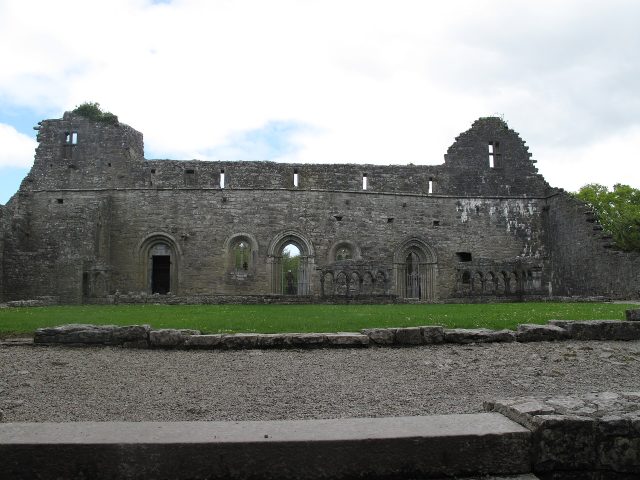
Nestled in the quiet heart of County Mayo, the Irish National Heritage Museum feels less like a traditional exhibition space and more like a doorway into the past. The building itself is part of the story—a grand old estate that once belonged to a family of landed gentry, its worn stone walls and creaking floorboards whispering of centuries gone by. There are no glass cases here to distance you from history. Instead, you walk the same halls where the original owners once moved, sit in rooms furnished with pieces that have seen generations come and go. The architecture, with its high ceilings and arched doorways, carries the weight of Ireland’s rural aristocracy, a time when grand houses like this dotted the countryside, standing as symbols of both power and endurance.
The museum’s collection spans from the ancient Celts to the early 1900s, but it doesn’t present history as a series of dates or battles. Instead, it focuses on the everyday lives of ordinary people—the farmers, craftsmen, and families who shaped the nation in ways that monuments and textbooks often overlook. You’ll find tools that once tilled the soil, looms that wove cloth, and simple household items that tell stories of resilience and ingenuity. One of the most moving sections is dedicated to the Great Famine, a catastrophe that reshaped Ireland forever. Through letters, photographs, and personal belongings, the exhibit doesn’t just explain what happened—it makes you feel the weight of it, the way history lingers in the objects left behind.
What sets this museum apart is its refusal to be static. It’s a place where history isn’t just observed but experienced. Throughout the year, the estate hosts workshops where visitors can try their hand at traditional crafts—weaving baskets from willow, shaping clay on a potter’s wheel, or even learning the basics of the uilleann pipes. In the summer, the grounds come alive with folk festivals, where musicians play jigs and reels under the open sky, and dancers move to rhythms that have been passed down for centuries. These events aren’t just performances; they’re invitations to step into the past, if only for an afternoon.
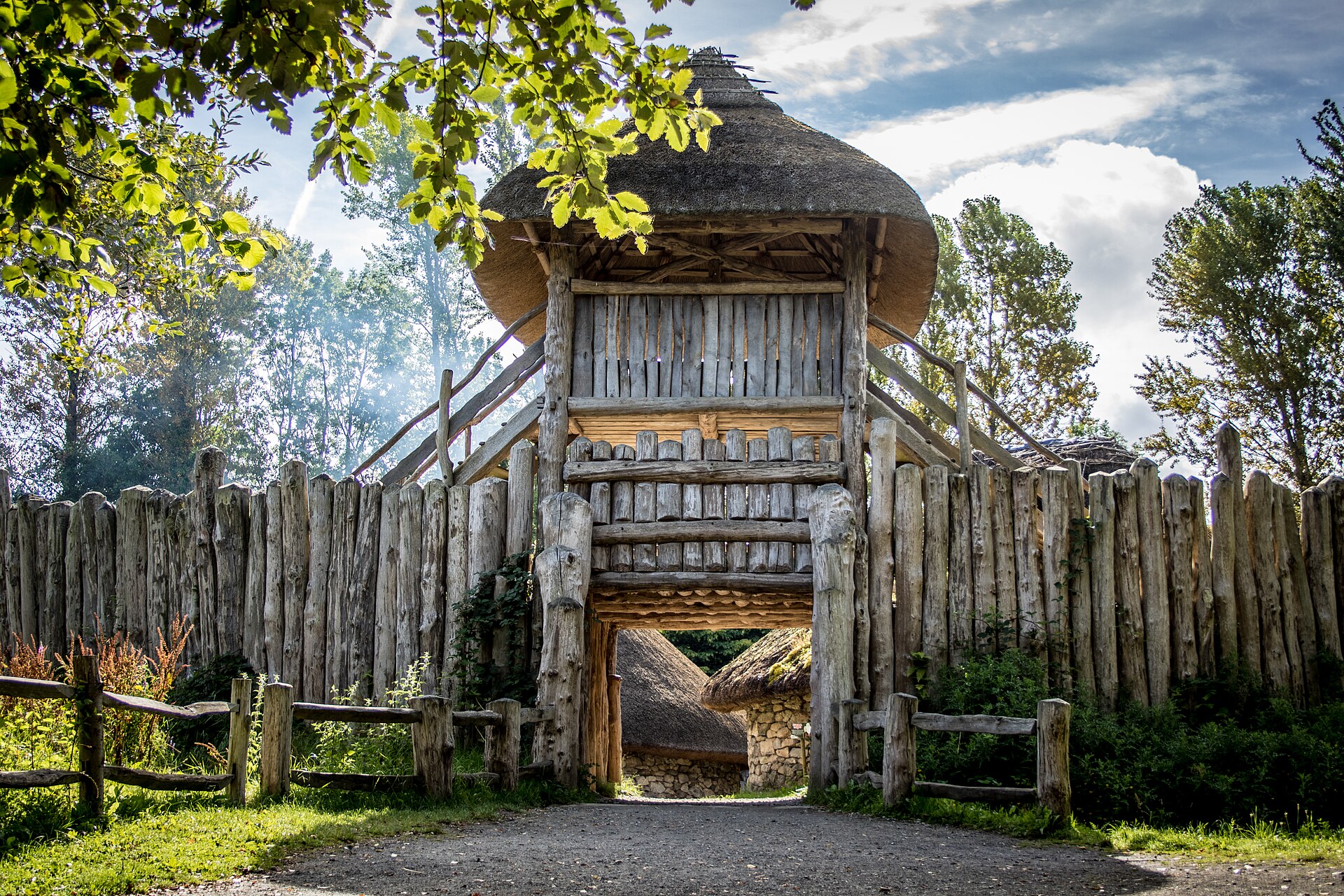
The centerpiece of the museum is the reconstructed 19th-century village, a meticulously crafted space that feels more like a living memory than a display. Here, you can step inside thatched cottages, where the scent of peat smoke still seems to linger, or peer into a blacksmith’s forge, where the tools of the trade are arranged as if the smith just stepped out for a moment. There’s a schoolhouse with slates and primers, a tiny shop with goods that might have been bartered for eggs or butter, and even a pub where the hum of conversation feels almost tangible. It’s easy to lose yourself in the details—the way the light filters through the windows, the rough texture of the walls, the faint creak of the floorboards. For a little while, the past doesn’t feel so distant.
The museum’s location adds to its charm. Kong itself is a small town, but it’s steeped in history, from the ruins of ancient monasteries to the legends of medieval clans that once roamed these lands. The surrounding countryside, with its rolling hills and shimmering lakes, feels like something out of an old tale. After exploring the exhibits, you can wander the nearby trails, where the silence is broken only by the wind in the trees or the distant call of a bird. It’s a place where the line between history and the present blurs, where the stories of the past don’t feel like relics but like something still alive, waiting to be rediscovered.
What makes this museum special is its lack of pretension. It doesn’t claim to be a definitive record of Ireland’s history, nor does it overwhelm you with academic rigor. Instead, it offers something more intimate—a glimpse into the lives of the people who lived, worked, and endured here. There are no grand narratives, just the quiet accumulation of human experience: the way a farmer might have sharpened his scythe, the songs a mother sang to her children, the prayers whispered in a time of hardship. It’s this focus on the personal that resonates, making the museum a place where both visitors and locals can connect with their heritage in a way that feels authentic rather than curated.
A visit here isn’t just about seeing; it’s about feeling. The scent of old wood, the echo of footsteps on stone, the way the light slants through the windows—all of it pulls you deeper into the past. You might come for the history, but you’ll stay for the atmosphere, the sense that the stories here aren’t just being told but are still unfolding, in the hands of the craftsmen, the voices of the musicians, the quiet rustle of the trees outside. It’s a place where time doesn’t just stand still—it folds in on itself, letting you step inside for a little while. And when you leave, you carry a piece of it with you, not as a souvenir, but as a memory of what it means to be part of something larger than yourself.