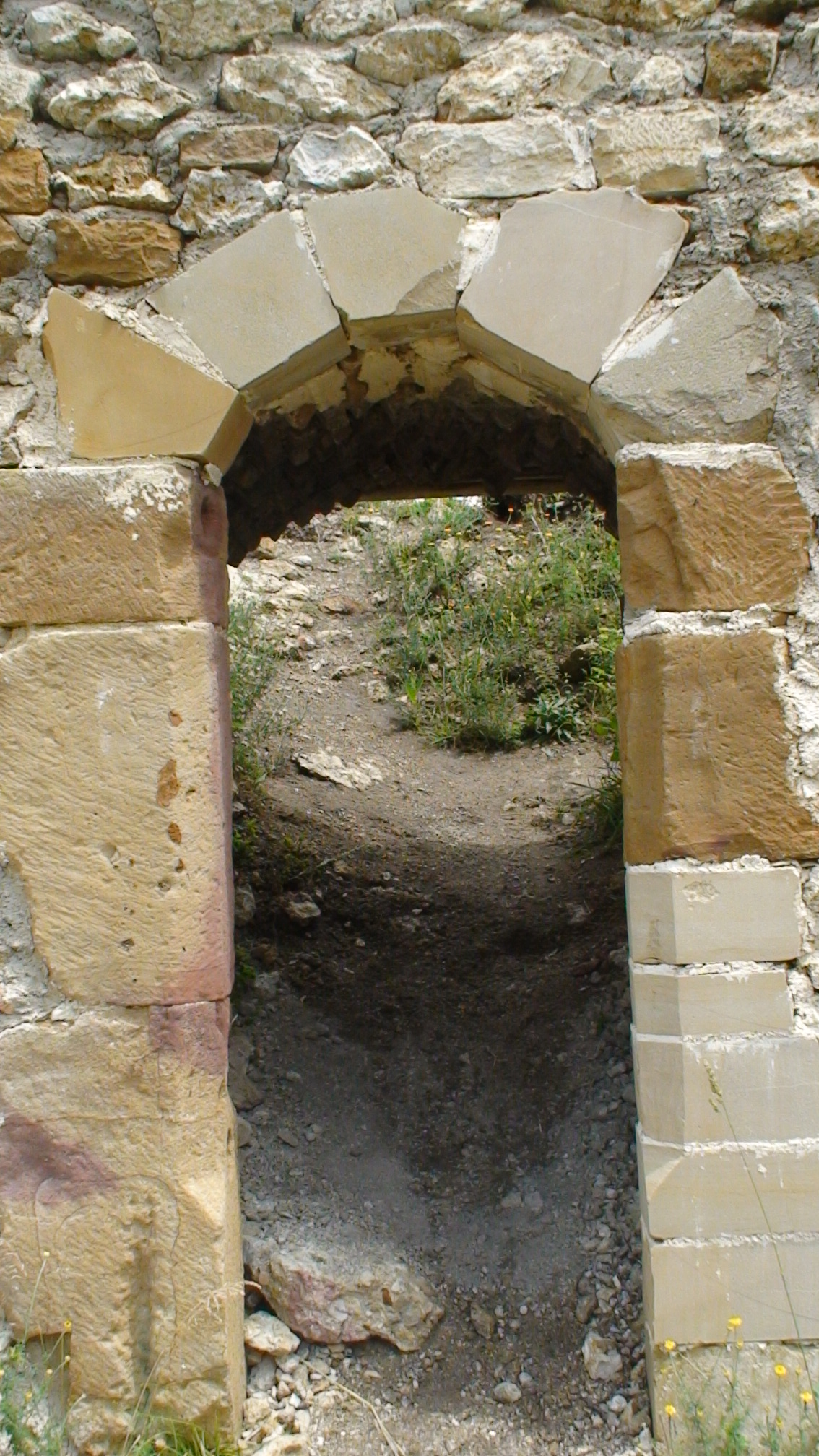
Perched on a hill above the town of Visoko, the fortress of Visoki stands as a quiet witness to centuries of change. Its weathered stone walls, worn smooth by time, tell stories of medieval rulers and Ottoman conquerors, each era leaving its mark on the structure. Though now in ruins, the fortress retains a sense of grandeur, not through pristine preservation, but through the raw, unfiltered layers of history etched into its very foundations.
The first records of Visoki date back to the 14th century, when the town was a vital center of the Bosnian Kingdom. Back then, the fortress served as both a military stronghold and a residence for local nobility. Visoko thrived as a trading hub, where caravans laden with salt, metals, and textiles passed through, connecting distant regions. This was a time when Bosnia stood as an independent state, and Visoki played a key role in its affairs—until the Ottoman advance reshaped the region’s destiny.
When the Ottomans arrived in the 15th century, they reinforced the fortress, adding new towers and adapting it to their administrative needs. Visoko transformed into a typical Ottoman town, with mosques, madrasas, and caravanserais dotting its landscape. The fortress became a symbol of the new order, and according to some accounts, it even housed a mint where silver akçe coins were struck, circulating throughout the empire. Over time, its military importance faded, but it remained a significant administrative site.
Today, only fragments of its former glory remain, yet they still command attention. The climb up the steep path to the fortress winds through old houses and overgrown gardens, offering glimpses of the town below. From the top, the view stretches across the Bosna River valley, where modern Visoko nestles between rolling green hills. The scene is especially striking at sunset, when the light softens the contours of the landscape, and the fortress walls cast long, dramatic shadows.
The architecture of Visoki reflects its layered past. Medieval foundations stand alongside Ottoman additions, with traces of later modifications visible in places. Inside the fortress, remnants of a water cistern, the foundations of living quarters, and fragments of towers can still be seen. Moss and wild grasses have claimed parts of the stonework, lending the ruins a sense of quiet resilience—nature slowly reclaiming what was once taken from it.
For the people of Visoko, the fortress is more than just a historical site; it’s a part of their heritage. Many families still share stories passed down through generations—tales of knights, sieges, secret passages, and hidden treasures buried beneath the ruins. While most of these are legends, they breathe life into the past, making it feel tangible and real. Visoko may not be as famous as Sarajevo or Mostar, but that’s part of its charm. Here, you can experience Bosnia as it truly is, without the crowds or the rush.
A visit to the fortress is also an invitation to explore Visoko itself. The town is small but welcoming, with narrow streets where houses stand close together, and a central square where locals gather for strong Bosnian coffee. In summer, the town comes alive with festivals, drawing people from nearby villages, while winter brings a quiet stillness, the streets blanketed in snow. Visoko doesn’t try to be a trendy destination—it simply exists, comfortable in its own rhythm.
Visoki Fortress isn’t a place of polished grandeur or meticulous restoration. Instead, it offers something more authentic: the chance to step into history as it was lived. You can almost hear the echoes of soldiers on the walls, merchants in the marketplace, and children playing in the courtyards. Time has worn down these stones, but it hasn’t erased their spirit. For those who seek more than just a pretty view, Visoki is a quiet revelation.