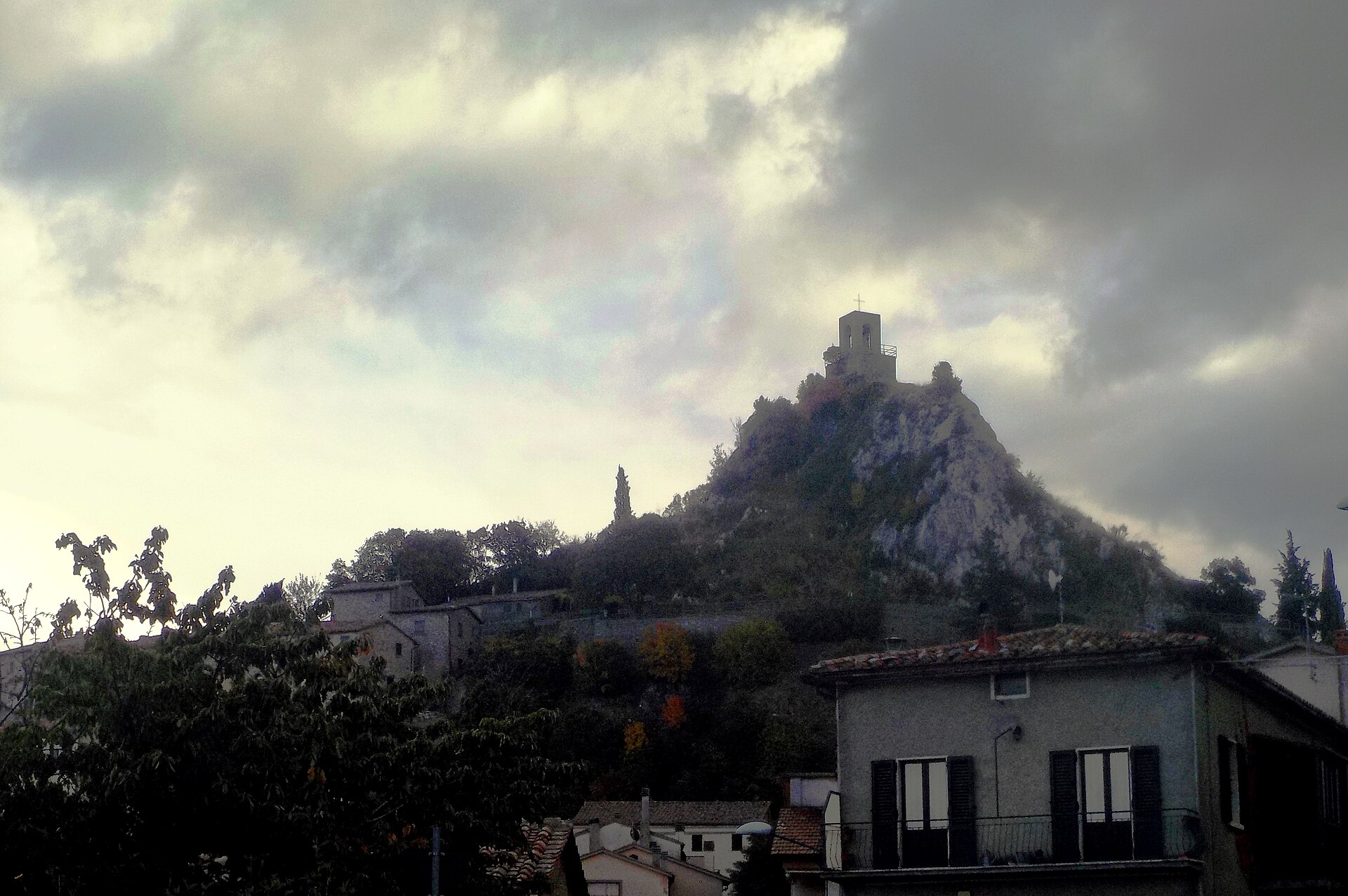
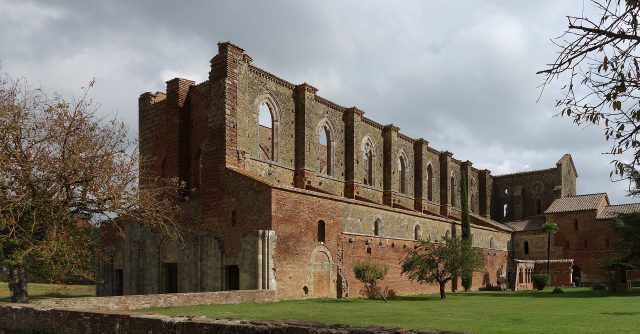
Perched on a hill above the quiet Tuscan village of Chiusdino, Castelnuovo di Chiusdino stands as a silent witness to centuries of history. Its weathered stones tell the story of a time when this land was a battleground between Siena and Florence, two powerful city-states locked in a struggle for dominance. Built in the 13th century, the fortress was more than just a military stronghold—it was a symbol of authority, changing hands between feudal lords as alliances shifted and wars raged across the region. Today, its crumbling walls and sturdy towers offer a glimpse into the past, where knights once gathered in the courtyard and villagers sought refuge behind its defenses.
The architecture of Castelnuovo is a testament to the practicality of medieval fortifications. Thick stone walls, narrow arrow slits, and a commanding keep were designed to withstand sieges and repel invaders. The central tower, or donjon, rises above the rest of the structure, offering sweeping views of the surrounding countryside. From its heights, you can see the rolling hills of Tuscany, covered in vineyards and olive groves, stretching toward the horizon. Inside, the remains of living quarters hint at the daily life of the garrison and servants who once called this place home. Though the fortress is now empty, the quiet echoes of the past—creaking doors, the clatter of hooves on stone, distant voices—linger in the air.
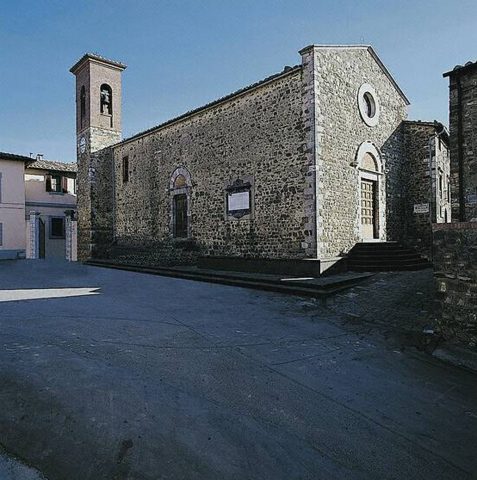
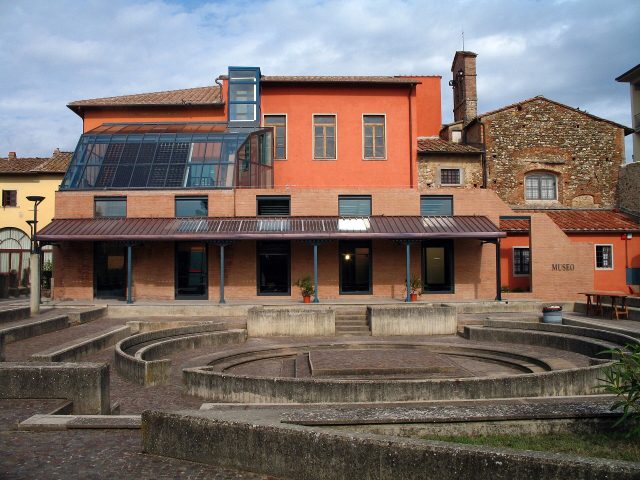
Below the hill, the village of Chiusdino moves at its own unhurried pace. Narrow streets wind between sandstone houses, leading to a small square with a simple fountain at its heart. Life here feels suspended in time, untouched by the rush of modernity. The fortress and the village are inseparable; for centuries, the fate of Chiusdino’s residents was tied to the strength of its walls. Today, the ruins are part of the landscape, a reminder of an era when survival depended on the protection of stone and steel.
The land around Castelnuovo has sustained the village for generations. Tuscany is known for its wine, and in this quiet corner of the region, small family-run vineyards still produce wine using age-old methods. Olive trees dot the hillsides, wheat fields sway in the breeze, and farmers tend to their livestock much as they have for centuries. The fortress, now partially reclaimed by nature, blends into this timeless scenery. Moss clings to its stones, and sections of the walls have collapsed, but these imperfections only add to its charm.
Castelnuovo’s history is deeply intertwined with that of Siena. By the 14th century, the fortress had fallen under the control of the Sienese Republic, which sought to fortify its borders against Florentine expansion. Skirmishes erupted along this frontier, and when Siena eventually fell to Florence, the fortress lost its strategic importance. Over time, it fell into disrepair, its stones repurposed for local construction. Yet, fragments of its past remain, standing as a quiet monument to the region’s turbulent history.
Unlike many tourist sites, Castelnuovo is not a polished museum. There are no informational plaques, guided tours, or souvenir shops—just the ruins themselves, open to those who wish to explore. This lack of commercialization makes it a rare find. Visitors can wander the same paths as medieval soldiers, sit on the sun-warmed stones, and watch the sunset paint the Tuscan hills in gold. The absence of crowds allows for a more intimate connection with the past, a chance to step away from the noise of the modern world.
Chiusdino and its fortress are not the kind of places that make it into glossy travel brochures. There are no famous landmarks or luxury hotels here, and that’s precisely why it’s worth a visit. This is the real Tuscany—unhurried, unspoiled, and deeply rooted in history. If you find yourself in this part of Italy, take the time to climb the hill, walk the perimeter of the fortress, and listen to the silence. It’s in these quiet moments that you might discover what so many travelers come to Italy to find: the soul of a place that has endured through the ages.