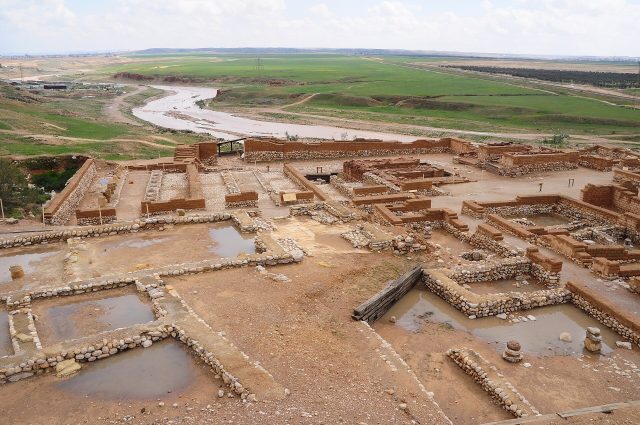
Perched on the edge of the Negev Desert, the ruins of Arad Fortress stand as a quiet testament to the layers of history that have shaped this land. Unlike the more famous archaeological sites in Israel, this place doesn’t draw crowds or offer polished tourist experiences. Instead, it invites visitors to step into a landscape where the past feels tangible, where the wind carries whispers of ancient lives lived under the same relentless sun.
The fortress we see today dates back to the 8th century BCE, built during the reign of King Hezekiah of Judah. Its massive limestone walls, some still standing several meters high, were designed to withstand sieges and protect the southern borders of the kingdom. Inside, the remains of storerooms, workshops, and living quarters hint at a bustling settlement that once thrived here. One of the most striking discoveries was a small temple, likely dedicated to Yahweh, which offers a rare glimpse into the religious practices of the time. The temple’s destruction in the 7th century BCE, ordered by King Josiah as part of his religious reforms, underscores the political and spiritual tensions that defined this era.
But the history of this site stretches even further back. Archaeological excavations have revealed traces of a Canaanite settlement from around 2500 BCE, long before the fortress took its final form. Over the centuries, the location’s strategic importance shifted with the rise and fall of empires. During the Roman period, a small garrison occupied the site, while in the Byzantine era, a Christian community built a church here. Each layer tells a different story, from the defensive needs of the Judean kingdom to the spread of early Christianity in the region.
What makes Arad Fortress particularly compelling is its setting. The ruins sit on a plateau overlooking the vast expanse of the Negev, where the horizon seems to stretch endlessly. The silence is broken only by the occasional cry of a bird or the rustle of wind through the stones. From the highest point of the fortress, the view is breathtaking—especially at sunrise or sunset, when the light casts long shadows and turns the ancient walls golden. It’s easy to imagine the watchmen who once stood here, scanning the desert for approaching caravans or enemies, their eyes straining against the same harsh light that defines the landscape today.
The modern city of Arad, founded in the 1960s, was built just a short distance from the ruins as part of Israel’s efforts to settle the Negev. Unlike the crowded streets of Tel Aviv or Jerusalem, Arad is a quiet place, its low-rise buildings blending into the desert surroundings. The fortress serves as a bridge between the old and the new, a reminder that even in the most arid corners of the world, human ingenuity has left its mark. The clean, dry air and the absence of urban noise make it an ideal spot for those seeking a slower pace, whether for a day trip or a longer stay.
Visiting Arad Fortress is as much about the journey as it is about the destination. The drive through the Negev offers a sense of isolation, with the road cutting through landscapes that have changed little over millennia. When you finally arrive, the ruins feel like a discovery rather than a tourist attraction. There are no souvenir stands or guided tours here—just the stones, the wind, and the stories they carry. Walking through the remains of the temple or climbing the steps of a reconstructed tower, you can almost hear the echoes of daily life: the clatter of pottery in workshops, the murmur of prayers in the temple, the distant lowing of livestock.
For those with an interest in biblical history, Arad offers a unique perspective. Unlike Jerusalem or Masada, which have been shaped by centuries of pilgrimage and tourism, this site remains relatively untouched. The absence of crowds allows for a more personal connection to the past. It’s a place where you can sit on a crumbling wall, look out over the desert, and reflect on the resilience of the people who once called this place home. The fortress wasn’t just a military outpost; it was a community, a hub of trade, and a center of faith, all built in a landscape that demanded resourcefulness and endurance.
The best time to visit is early morning or late afternoon, when the heat is less intense and the light softens the contours of the ruins. As the sun dips below the horizon, the stones seem to glow, and the shadows deepen, creating an atmosphere of quiet reverence. It’s in these moments that the true magic of Arad Fortress reveals itself—not as a relic of the past, but as a living part of the land, shaped by time and still holding the stories of those who came before. Whether you’re drawn by history, archaeology, or simply the desire to experience the solitude of the desert, this place offers something rare: a chance to step outside of time and listen to the silence.