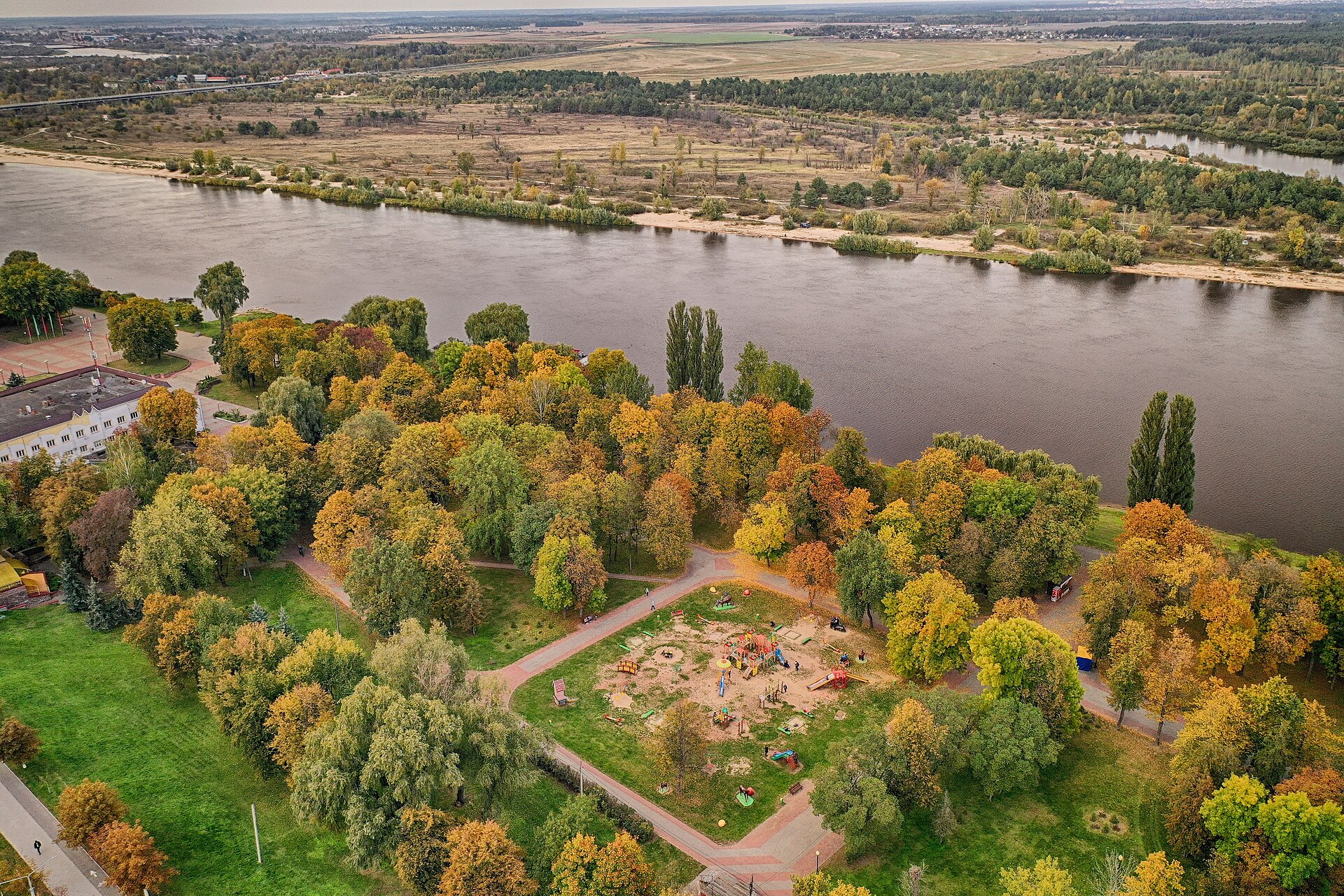
Mozyr is one of those places that rarely makes it onto tourist itineraries, yet it has a quiet charm all its own. Perched on the high banks of the Pripyat River, where the water curves gently around the old streets, the town feels suspended in time. There’s no hustle here, just the cry of gulls over the river and the creak of wooden footbridges underfoot. In a place like this, history isn’t just preserved—it’s lived, and the local history museum does more than most to keep that connection alive.
The museum occupies one of the town’s oldest buildings, a structure that tells its own story before you even step inside. Built in the late 19th century for a local merchant, its architecture blends brick modernism with touches of neo-Gothic flourishes—unusual for a provincial town. Tall arched windows, heavy wooden doors, and intricate stucco work hint at the owner’s desire to impress. Over the decades, the building changed hands until it became a museum in the mid-20th century. Now, the worn wooden floors groan underfoot, and light filters through stained glass, casting a warm glow over the exhibits.
The museum’s collection spans centuries of Polesia’s past, but it doesn’t try to cover everything. Instead, it focuses on the details that truly define the region. One room is filled with everyday objects from 19th-century peasant life—clay pots, looms, and intricately embroidered towels with patterns passed down through generations. There are tools from traditional crafts like cooperage, pottery, and wickerwork, displayed not as relics but as reminders of the skill and patience that once shaped daily life here.
Another section explores Mozyr’s history as a trading hub. In the Middle Ages, the town sat on key routes linking Kyivan Rus with Western Europe, dealing in salt, wax, furs, and later grain and timber. The museum holds documents confirming Mozyr’s status as a Magdeburg city, where local self-governance was practiced. Among the exhibits are old seals, coins, and ledgers, along with a reconstructed 18th-century merchant’s shop that offers a glimpse into how trade once functioned.
The museum doesn’t shy away from darker chapters either. A room dedicated to World War II holds soldiers’ personal belongings, photographs, and letters from the front. There are also records of the partisan movement in Polesia, which thrived in the dense forests and swamps. Many of these items were donated by locals, giving them an emotional weight—each object carries a story of survival or loss.
Nature plays a central role in the museum’s narrative. One exhibit showcases the wildlife of Polesia, with taxidermied moose, boars, beavers, and rare birds that still inhabit the region’s forests and wetlands. A small diorama illustrates the typical landscapes of the area, from floodplains to bogs, showing how people adapted to this challenging environment over centuries. It’s a reminder of how closely life here was tied to the land.
Beyond the exhibits, the museum is a living space. Locals gather for talks with historians, workshops on traditional crafts, and lectures about the town’s past. School groups visit for history lessons, while occasional tourists wander in, discovering a side of Belarus they didn’t expect. The atmosphere invites slow exploration—whether it’s poring over old photographs, reading yellowed letters, or simply sitting by a window, watching the Pripyat flow as it has for centuries.
Mozyr doesn’t try to be a tourist hotspot, and that’s part of its appeal. There are no crowds, no souvenir stalls, no scripted tours. Instead, it offers a glimpse of Belarus as it once was—unhurried, unpolished, and deeply rooted in its own rhythm. The museum captures that rhythm perfectly. It’s not grand or flashy, but it doesn’t need to be. What it does is something rarer: it lets you touch history as it really was, without embellishment or distortion.