Nestled in the heart of Kochkor, a small town in Kyrgyzstan’s Naryn region, the local history museum feels less like a formal institution and more like a quiet conversation with the past. It’s the kind of place where the weight of tradition isn’t displayed behind glass but woven into the very fabric of the building and its exhibits. The museum occupies a modest, traditional house with carved wooden balconies and low ceilings, its architecture echoing the practical yet artful design of Kyrgyz nomadic life. There are no grand facades or tourist crowds here—just a collection of objects that tell the story of a people shaped by the land they’ve called home for centuries.
The museum’s origins trace back to the Soviet era, when regional museums were established across Kyrgyzstan to preserve local heritage. But unlike larger urban collections, Kochkor’s museum was built from the ground up by the community itself. Locals contributed family heirlooms, photographs, and everyday items, turning the space into a living archive rather than a curated display. This grassroots approach gives the museum its authenticity. Each piece—whether a handwoven carpet, a wooden chest, or a silver ornament—carries the imprint of the hands that made and used it, making the past feel tangible rather than distant.
One of the most striking sections of the museum is dedicated to the nomadic way of life, where the ingenuity of Kyrgyz culture is on full display. Here, you’ll find models of yurts, their lattice frames and felt coverings illustrating how these portable homes were designed for both mobility and comfort. Tools for processing wool, leather, and horsehair reveal the resourcefulness of a people who turned raw materials into everything from clothing to shelter. The exhibits also include intricately carved wooden chests, used to store family valuables, and musical instruments like the komuz, a three-stringed lute that has been a staple of Kyrgyz music for generations. These objects aren’t just artifacts; they’re evidence of a culture that thrived by adapting to the harsh beauty of the mountains and steppes.
A separate hall focuses on the history and ethnography of the Kochkor region, with photographs and documents spanning the late 19th to early 20th centuries. Black-and-white images capture moments of daily life—women spinning wool, men tending to livestock, children playing in the dusty streets of old Kochkor. The displays also highlight traditional crafts, such as felt-making, which remains a vital part of the local economy. One of the most fascinating collections is the array of women’s jewelry: silver bracelets, pendants, and earrings, often adorned with turquoise or coral. These pieces weren’t merely decorative; they held symbolic meaning, believed to protect the wearer from misfortune. The craftsmanship speaks to a deep connection between artistry and spirituality, where even the smallest object could carry profound significance.
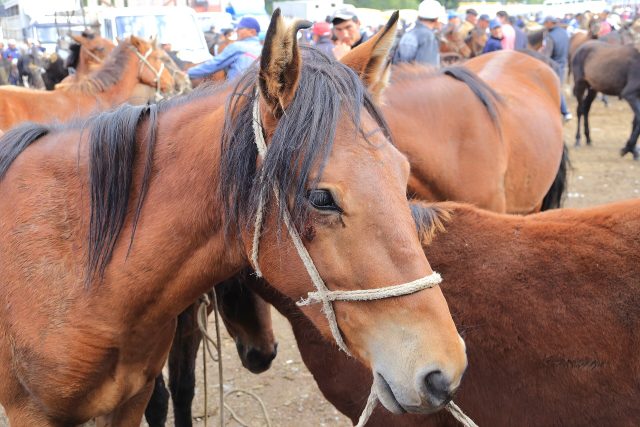
The museum doesn’t shy away from the present, either. Exhibits on contemporary Kochkor showcase how traditions endure alongside modern life. You’ll learn about festivals like Nooruz, the Persian New Year, which is celebrated with feasts, music, and horse games. There are also displays on local craftspeople who keep ancient techniques alive, from felt-makers to leatherworkers. A particularly engaging section is devoted to Kyrgyz horsemanship, a cornerstone of the region’s identity. Photographs and descriptions of games like kok-boru—a rough-and-tumble sport played on horseback with a goat carcass—and kyz kuumai, a race where a young man chases a woman on horseback, offer a glimpse into the enduring role of horses in Kyrgyz culture. These traditions aren’t relics; they’re living practices that continue to shape community life.
The building itself is part of the story. The museum is housed in a traditional Kyrgyz home, its wooden beams and small windows designed to keep out the cold winters and harsh winds of the highlands. Inside, the low ceilings and warm lighting create an intimate atmosphere, as if you’ve stepped into someone’s living room rather than a public institution. Old photographs of Kochkor line the walls, showing a town that has changed little over the decades. The streets are unpaved, the houses built from wood and clay, and the people dressed in the same layered clothing that protected them from the elements. These images serve as a reminder of how closely life here has always been tied to the rhythms of nature—where the seasons dictated everything from migration routes to festival dates.
What makes the Kochkor museum special is its lack of pretension. There are no flashy multimedia displays or lengthy academic texts. Instead, the exhibits invite you to linger, to pick up a wooden spoon and imagine the hands that carved it, or to trace the patterns on a felt rug and wonder about the woman who spent weeks weaving it. The staff, often locals themselves, are more than happy to share stories—about the time a particular rug was made for a wedding, or how a certain tool was used during the annual migration to summer pastures. Their anecdotes breathe life into the objects, turning a simple visit into a conversation across generations.
In a world where history is often reduced to dates and facts, the Kochkor museum offers something different: a sense of continuity. It’s a place where the past isn’t just preserved but actively remembered, where every object has a story and every story connects to the people who still live in this valley. Visiting feels less like a lesson and more like an invitation—to sit for a while, to listen, and to understand that the traditions on display aren’t just part of Kyrgyzstan’s heritage, but part of its present. For anyone passing through Kochkor, the museum is a quiet reminder of what it means to live in a place where the land, the people, and their history are inseparable.