Kazan Kremlin isn’t just a historical landmark—it’s the living core of the city, where centuries of history, culture, and different peoples intertwine. Perched on a high bank of the Kazanka River, its white stone walls rise above the cityscape, visible from afar. The Kremlin has always been more than a fortress; it’s where the fate of Kazan was decided, where rulers made pivotal choices, and where the past and present merge into a symbol of continuity across generations.
The site’s origins trace back to the 10th century, when it began as a fortified Bulgar settlement. Over time, it evolved under different rulers—first as part of the Golden Horde, then as a key stronghold after Ivan the Terrible’s conquest of Kazan in 1552. It was Ivan who ordered the construction of a new stone fortress, bringing in master builders from Pskov. Their work laid the foundation for the Kremlin’s enduring walls and towers, including the Spasskaya Tower, which still serves as the main gateway, welcoming visitors just as it did centuries ago.
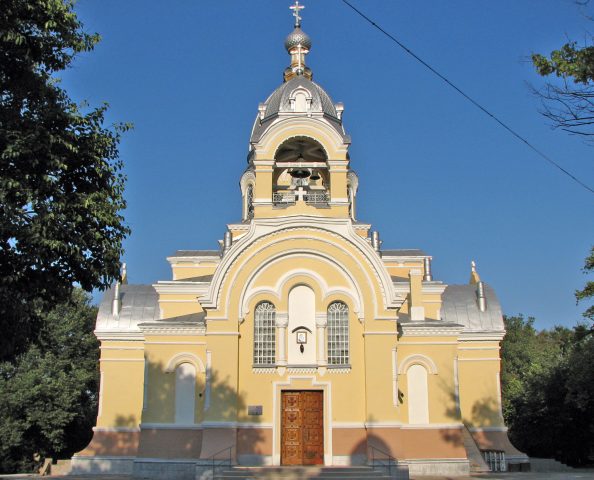
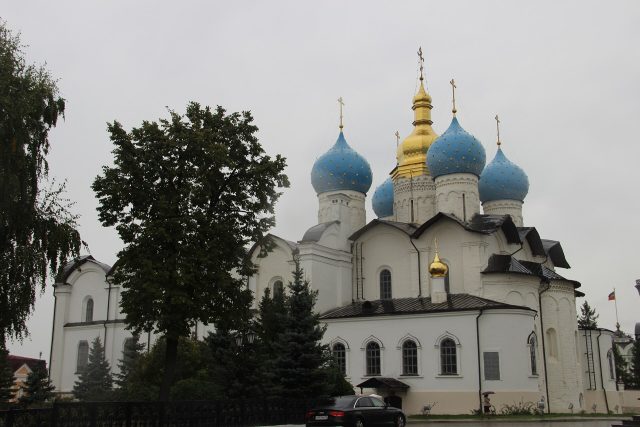
What makes the Kazan Kremlin unique is its architectural diversity. Here, Russian Orthodox churches stand alongside Tatar mosques, and classical buildings coexist with medieval structures. The centerpiece is the Annunciation Cathedral, built in the 16th century. Its white stone walls and golden domes dominate the skyline, while inside, layers of frescoes and icons tell stories from different eras. Nearby, the bell tower offers sweeping views of the city and the river, a quiet reminder of the Kremlin’s role as both a spiritual and strategic landmark.
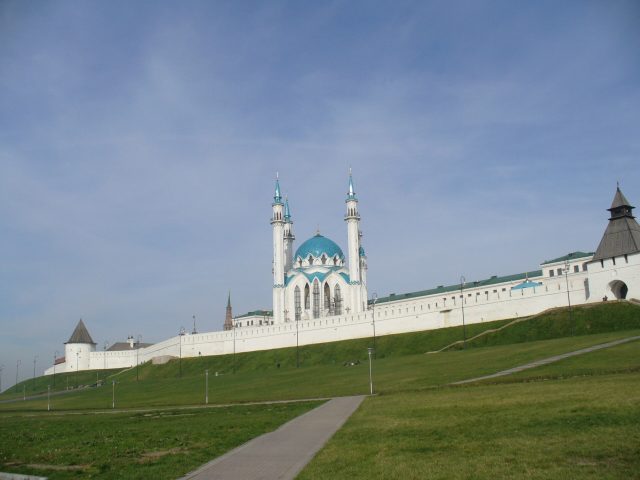
One of the most striking additions to the Kremlin is the Kul Sharif Mosque, completed in the early 2000s on the site of a 16th-century mosque destroyed during Ivan the Terrible’s siege. With its slender minarets and blue domes, it has become a modern symbol of Kazan, reflecting the region’s cultural and religious pluralism. The mosque isn’t just a place of worship—it’s also a museum of Islamic culture, where visitors can explore Tatar traditions and history.
Walking through the Kremlin, you can’t help but feel the harmony between different eras. Ancient walls stand beside contemporary buildings, and the stones themselves seem to whisper stories of those who once lived and worked here. The atmosphere is especially magical in the early morning or late evening, when the crowds thin and the sunlight softens the white stone and gilded domes.
Beyond its historical significance, the Kazan Kremlin remains a working administrative hub. Government buildings share the space with museums and exhibition halls, and the grounds often host festivals, concerts, and cultural events that draw both locals and tourists. In summer, the Kremlin buzzes with activity—visitors stroll along the paths, children explore the museums, and the air hums with the energy of a place that’s still very much alive.
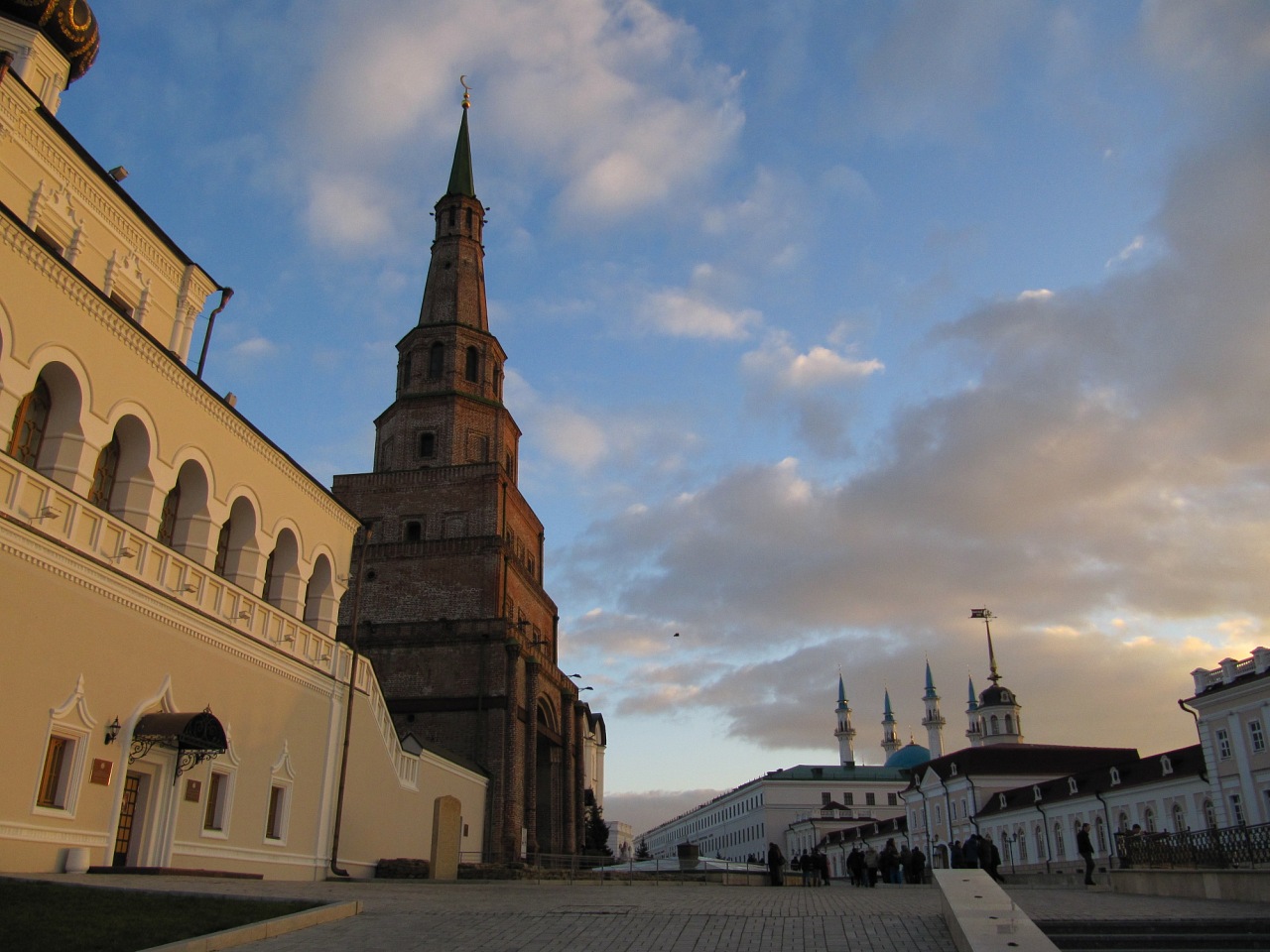
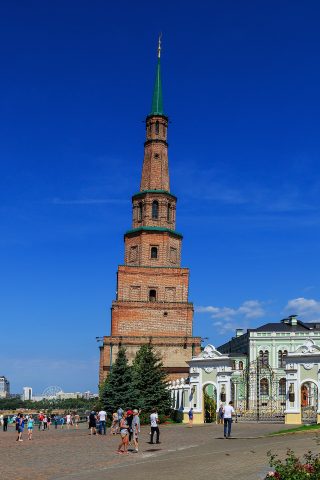
A quieter corner of the Kremlin is the Cannon Yard, once a foundry where cannons and bells were cast. Today, it houses a collection of antique weapons and offers a glimpse into Russia’s metallurgical history. Nearby stands the Söyembikä Tower, named after the last queen of Kazan. Legend says she leapt from its heights rather than surrender to Ivan the Terrible, though historians still debate the truth behind the tale. Regardless, the tower has become one of the Kremlin’s most recognizable symbols.
The Kazan Kremlin is a place where history feels tangible. Whether you’re tracing the steps of ancient rulers, admiring the blend of architectural styles, or simply finding a quiet spot to sit, the past is always present. It’s a site that rewards curiosity—whether you’re visiting for a day or a week, there’s always something new to discover. More than a monument, it’s a living space, evolving alongside the city it has watched over for centuries.