Some places don’t shout for attention. The Karkaralinsk Drama Theatre is one of them. It sits in the town like an old friend—always there, never demanding anything, yet impossible to imagine the place without.
Karkaralinsk grew fast in the mid-20th century. Theatres appeared in small towns across Kazakhstan then, part of a push to build culture alongside roads and schools. This one opened so locals wouldn’t have to travel for art. The building has been repainted, the seats reupholstered, but the reason it exists hasn’t changed.
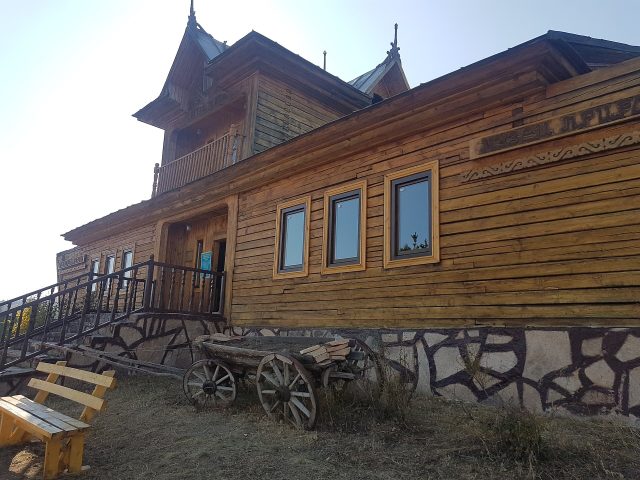
The theatre doesn’t look like much from the outside. Soviet-era architecture: straight lines, no fuss. A few decorative touches soften the facade. Inside, it’s warm—wooden floors, dim lighting, the kind of place where you take off your coat and stay awhile. No chandeliers, no gold leaf. Just a stage and rows of seats that feel close enough to touch the actors.
You won’t only see Chekhov here. Kazakh playwrights get their turn, as do Russian and international names. But the plays that fill the house are the ones about this town, these people. The theatre doesn’t chase trends. That’s why people keep coming back.
The actors aren’t famous. They don’t need to be. Some have been on this stage for thirty years. You might see them buying bread at the corner shop or waiting for the bus. They’re part of the town, not just visitors passing through. That changes how you watch a performance.
The theatre does more than plays. There are concerts, poetry readings, talks with writers. In recent years, they’ve let younger artists try new things. In a town where not much happens after dark, every event feels important.
People come to meet friends. To hear the latest news. To sit in the dark for a couple of hours and forget the cold outside. The hall isn’t always full, but those who are there want to be.
The theatre has new props now. Guest performers visit sometimes. But the heart of it stays the same. This is where art isn’t something you consume. It’s something you take part in. In a world where culture often feels like just another product, that’s rare enough to matter.