Karkaraly National Park is one of those rare places in Kazakhstan where the landscape feels almost deliberately designed—an open-air gallery of the country’s natural diversity. Stretching across more than 140,000 hectares in the Karaganda region, the park blends rugged mountains, dense forests, and vast steppes into a single, harmonious whole. Unlike more famous destinations, it remains untouched by mass tourism, offering instead a quiet retreat where the only sounds are the wind through the grass, the calls of birds, and the occasional murmur of travelers seeking solitude.
The Karkaraly Mountains, which lend their name to both the park and the nearby town, are modest in height but rich in character. Carved from granite and sandstone, their slopes have been shaped by centuries of wind and weather into striking formations—some resembling ancient fortresses, others like mythical creatures frozen in stone. Local legends speak of these rocks as the remnants of giants or spirits that once roamed the land, though even without such stories, the mountains hold a quiet grandeur. The best time to see them is at dawn or dusk, when the light softens their contours into shades of gold and rose.
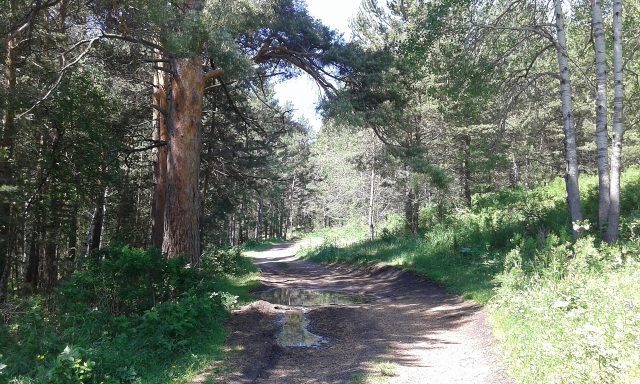
For a steppe region, the park’s forests are a surprising and welcome sight. Pine, birch, and aspen groves thrive here, interspersed with meadows that burst into color in late spring and summer, carpeted with irises, poppies, and wildflowers. Autumn turns the woods into a patchwork of reds and yellows, while winter drapes the trees in frost, transforming them into something out of a fairy tale. The forests are home to a variety of wildlife, from roe deer and foxes to the occasional lynx or argali, the majestic mountain sheep that has become a symbol of Kazakhstan’s wild spaces.
Water is the lifeblood of the park, cutting through the arid landscape in the form of lakes, springs, and small rivers. The most famous of these is Lake Pashennoye, a serene body of water ringed by forest and cliffs. Its clear, cool waters are perfect for a swim or a quiet afternoon of fishing, while the reeds along the shore rustle softly in the breeze. Long ago, nomadic herders would stop here to water their livestock and rest in the shade, and today, the lake still offers the same sense of peace to those who visit.
The history of Karkaraly runs deep. Archaeological finds suggest that people have lived in this area since the Bronze Age, and over the centuries, it became a crossroads for trade routes linking Central Asia with Siberia. Nomads grazed their herds on these lands, and temporary settlements sprang up along the way. By the 19th century, when the region came under Russian control, the foundations of the town of Karkaralinsk were laid, turning it into a hub for explorers and travelers. The park itself, established much later, preserves not just the natural beauty of the area but also traces of its past—ancient campsites, burial mounds, and stone statues left behind by those who once called this place home.
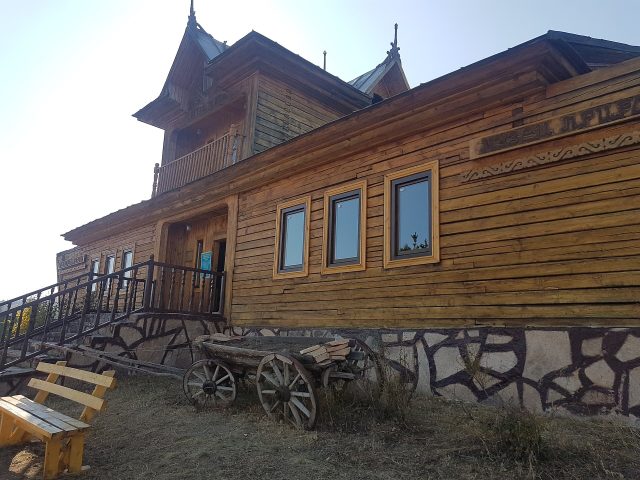
For those interested in history, the park offers a glimpse into the lives of its former inhabitants. A small open-air museum displays artifacts unearthed in the area, each piece telling a story of the people who lived, worked, and traveled through these lands. The exhibits are modest but evocative, a reminder that this quiet corner of Kazakhstan has been shaped by human hands for thousands of years.
Hikers and horseback riders will find plenty to explore here. Trails wind through the mountains and forests, leading to viewpoints like Mount Komsomolskaya, where the surrounding landscape unfolds in all its vastness. Some routes are short, perfect for a day trip, while others invite overnight stays under a sky dense with stars. The climate is mild even in summer, with cool nights that make camping a pleasure. There’s no need to rush—time moves differently here, measured in sunrises and the slow shift of shadows across the hills.
What makes Karkaraly special is its ability to make you feel both small and connected to something larger. The silence isn’t just the absence of noise; it’s a presence in itself, a reminder of how vast and untamed the world can be. The nomads who once crossed these steppes believed the land was sacred, and it’s easy to see why. The wind carries whispers of the past, the mountains stand as silent witnesses, and the earth itself seems to breathe. If you listen closely, you might just hear it too—in the rustle of grass, the ripple of water, or the distant cry of an eagle circling overhead.