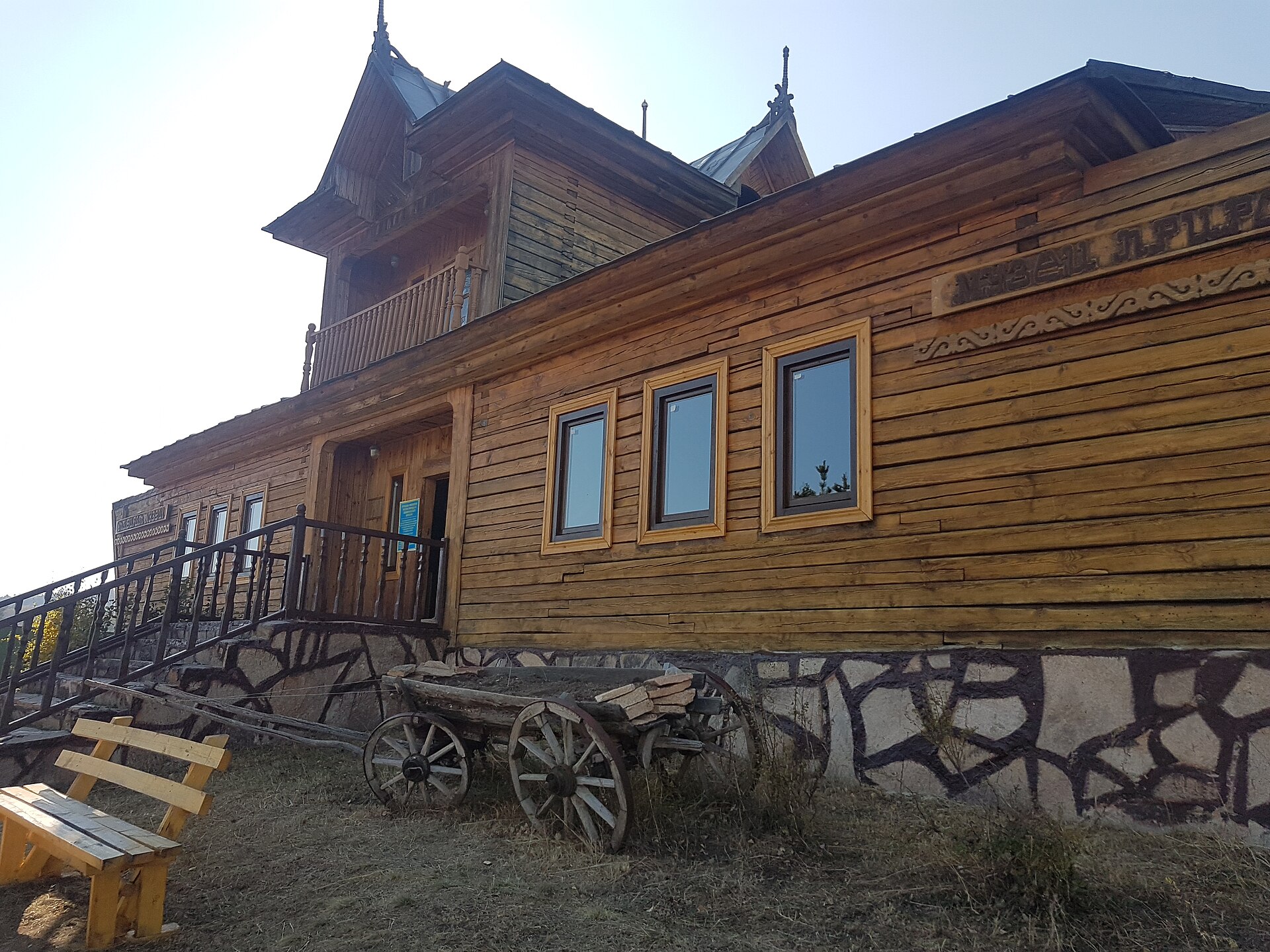
Karkaralinsk feels like a place where time has slowed, preserving the quiet rhythm of the steppe and the stories of those who have called this land home for centuries. Tucked among its low-slung houses and quiet streets, the local history museum offers a glimpse into the past of this corner of Kazakhstan, where the exhibits aren’t just objects behind glass but fragments of a living heritage. There’s no rush here, no crowds—just the sense that each room holds something worth lingering over, whether you’re a local or a visitor trying to understand how life has unfolded in these parts.
The museum itself is housed in a building that carries its own history. Built in the early 1900s, when Karkaralinsk was a thriving center of trade and culture in central Kazakhstan, the structure reflects the architectural style of the era—high ceilings, large windows, and intricate woodwork that give it the feel of a well-lived-in home rather than a sterile exhibition space. The details, from the worn wooden staircase to the delicate plasterwork, suggest a place where people once gathered, worked, and entertained, and that atmosphere lingers even now.
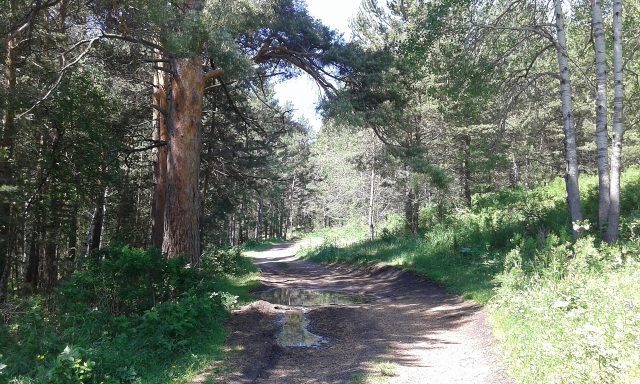
The exhibits begin with the natural world of the Karkaraly region, where the steppe meets the mountains. The displays include taxidermied animals native to the area—wolves, foxes, marmots—and birds like golden eagles and eagle owls, all part of an ecosystem that has shaped life here for millennia. A significant portion of the collection is dedicated to Karkaraly National Park, one of Kazakhstan’s oldest protected areas, where jagged rock formations, pine forests, and clear mountain lakes create a landscape unlike any other in the country. The museum explains how these natural features came to be, the unique flora and fauna they support, and why this region remains ecologically vital.
The next section delves into archaeology, revealing how long humans have inhabited this land. The displays include stone tools, pottery shards, jewelry, and weapons unearthed from local digs, with a particular focus on the Bronze Age and early Iron Age, when Saka and Wusun tribes roamed the steppes. The exhibits don’t just show artifacts—they tell stories of how these ancient peoples lived, what they believed, and how they interacted with their environment. Reconstructions of dwellings and burial mounds help visitors imagine what the landscape looked like thousands of years ago, when nomadic cultures first left their mark on the region.
Karkaralinsk’s history as a town is explored in a separate hall, tracing its origins from a 19th-century Cossack outpost to a bustling trade and administrative hub. The museum holds documents, photographs, and everyday objects that paint a picture of life in different eras, from the pre-Soviet period to the mid-20th century. One of the most compelling parts of this section is the collection related to the Virgin Lands campaign, when thousands of people arrived in Kazakhstan to cultivate the steppe. Tools, clothing, and personal letters from that time capture the optimism and hardship of those years, offering a tangible connection to the people who transformed the land.
The museum also dedicates space to Kazakh culture and traditions, showcasing national costumes, jewelry, musical instruments, and household items that reflect the nomadic way of life. A model yurt stands at the center of this display, illustrating how these portable homes were constructed and the customs surrounding them. Nearby, exhibits explain traditional crafts like embroidery, leatherwork, and felt-making—skills passed down through generations and still practiced today. These aren’t just relics of the past; they’re living traditions that continue to shape the region’s identity.
In another room, the museum highlights the work of local artists and artisans, from paintings to handcrafted woodwork, metalwork, and ceramics. Temporary exhibitions rotate through the space, covering topics from history to ecology, ensuring that the museum remains a dynamic part of the community. It’s not just a repository of the past but a place where tradition and modernity intersect, where visitors can see how the old ways endure in contemporary life.
A visit to the Karkaralinsk Regional Museum isn’t about ticking off exhibits or rushing through halls. It’s a chance to step into the stories of the steppe, to see how the land and its people have shaped each other over centuries. The museum doesn’t just preserve history—it invites you to feel it, to understand what it means to live in a place where the past is always present, where the vastness of the steppe isn’t just a landscape but a way of life. There’s no need to hurry here; the best way to experience it is to take your time, to let the quiet details speak for themselves.