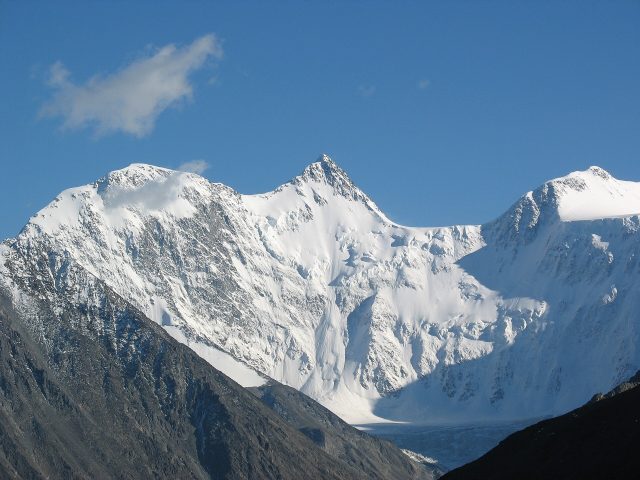
The Karakol Lakes are one of those rare places in the Altai Mountains where people return not for photographs, but for the quiet that lingers even when others are around. Tucked into a mountain valley not far from Gorno-Altaysk, they sit among ridges covered in larch and cedar, their waters so clear it’s easy to forget they’re there at all—just a piece of the sky resting on the earth. The Upper Lake, the larger of the two, is often called a mirror, reflecting clouds and peaks so perfectly it’s hard to tell where the water ends and the air begins. The Lower Lake, smaller and more secluded, hides in the shadow of cliffs, its stillness broken only by the occasional ripple from a passing breeze.
These lakes weren’t always so accessible. Half a century ago, the only people who made the journey were local hunters and herders who knew the hidden trails over the passes. The trip was long and difficult, and even now, while you can drive most of the way, the last stretch requires walking. Yet despite the increase in visitors, the place hasn’t lost its untouched feel. The mountains change slowly, if at all, and the water remains as cold and pure as it was before anyone set foot here.
There’s no architecture at the Karakol Lakes—no viewing platforms, no pavilions, no signs with names. Just paths worn by people and animals, moss-covered rocks, and the wind moving between the cliffs. Sometimes it feels like time has paused, and if you listen closely, you might hear the drip of rainwater from the branches or the rustle of grass under a marmot’s paws. The lakes are fed by melting snow and underground springs, so their water levels shift with the seasons. In spring, they swell with runoff, while by late summer, they shrink slightly. But even in the driest months, the water stays cool and refreshing. Locals say it has healing properties, though there’s no scientific proof—though after a long hike, any water can feel alive.
In winter, the lakes freeze over, their surfaces turning into vast sheets of ice that you can walk on if you’re careful. Snow blankets the ground in thick layers, and the mountains grow even quieter than in summer. The few visitors who come in the cold months often find themselves alone with the landscape, which feels like a still frame from an old film. Summer brings more people—families, fishermen, photographers, and those simply looking to escape the noise of cities. The fish here are few but present, mostly grayling and burbot. Fishing isn’t always productive, but the silence more than makes up for it. Occasionally, a kingfisher darts over the water, or a chipmunk watches from the shore, curious about the visitors.
The hike to the lakes takes about an hour if you take your time. The trail starts at a small parking area and winds first through the forest before opening up to reveal the water. In some places, the path steepens, and you’ll need to use your hands to steady yourself on tree roots. But the effort is worth it. When you finally reach the shore, you realize no photo could ever capture what you’re seeing. The lakes aren’t a place for adventure or entertainment—there’s no rafting, no horseback riding, no cafes with hot tea. Instead, there’s the chance to sit on a rock, listen to the wind, and remember how little it takes to feel content.
Maybe that’s why people return. In a world that moves too fast, places like this become rare, and we hold onto them like memories of something real. The Karakol Lakes don’t demand anything from you. They don’t ask for your attention or your admiration. They simply exist, as they have for centuries, offering a quiet that feels almost forgotten elsewhere.