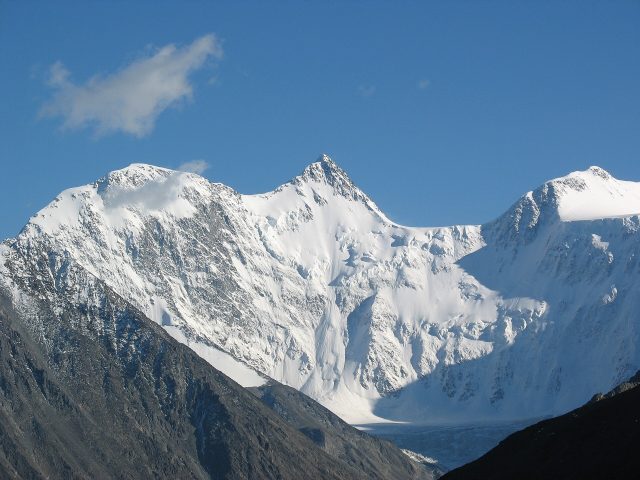
Nestled in the foothills of the Altai Mountains, Geysernoye Lake is one of those rare places where nature seems to have gathered its most striking elements into a single, compact landscape. Just a short distance from Gorno-Altaysk, in the valley of the Chemal River, the lake is a quiet marvel—a smaller, more intimate cousin to the famous geothermal wonders of Kamchatka. Here, the earth’s heat rises to the surface in gentle, steaming springs, creating pockets of warm water that bubble and hiss against the cool mountain air. The lake itself is modest in size, framed by rocky outcrops and dense forest, but its real magic lies in the way the thermal activity transforms the water into something alive, shifting between shades of turquoise and deep blue as minerals from the depths dissolve into the surface.
The story of Geysernoye Lake is written in the layers of the Altai’s ancient geology. Millions of years ago, tectonic forces shaped these mountains, and beneath them, magma-heated waters found their way upward, carving paths through the rock. For generations, the local people knew of these springs, but it wasn’t until relatively recently that the lake became a point of interest for travelers. Unlike the crowded tourist spots elsewhere in the region, this place retains a sense of discovery, as if you’ve stumbled upon a secret the mountains have kept for centuries.
The water here is an ever-changing mosaic of temperatures and colors. In some spots, it’s barely warm, inviting you to wade in and let the heat seep into your skin. In others, it’s scalding, a reminder of the forces still at work beneath the surface. The lake isn’t deep, but its shallows are rich with the same minerals that give the water its striking hue. On cooler days, the contrast between the warm springs and the crisp mountain air creates a mist that lingers over the surface, softening the edges of the landscape.
The forest around the lake is thick with pine and larch, their needles scenting the air with a sharp, resinous sweetness. In summer, the trees cast dappled shadows over the paths that wind toward viewpoints overlooking the valley. From these spots, the Chemal River glints in the distance, cutting through the folds of the mountains. Winter brings a different kind of beauty—the lake never fully freezes, thanks to the thermal springs, and the steam rising from its surface mingles with the cold air, creating a scene that feels almost otherworldly. Snow dusts the branches of the trees, and the only sounds are the occasional call of a bird or the distant rush of the river.
There’s a sense of timelessness here, as if the lake has always been a meeting point between the earth’s raw power and the quiet persistence of life. The area is dotted with traces of ancient human presence—rock carvings, old campsites—hinting at the people who once lived in these valleys. Local legends speak of shamans who considered the springs sacred, a place where the boundary between the physical and spiritual worlds grew thin. Even now, standing by the water, it’s easy to imagine why this spot might have felt like a threshold to something greater.
The lake is accessible year-round, though each season offers a different experience. Summer draws the most visitors, with people coming to soak in the warm water, take photographs, or simply sit by the shore and listen to the sounds of the forest. Autumn turns the surrounding trees into a blaze of gold and red, while winter wraps everything in silence, broken only by the occasional crack of a branch under the weight of snow. Spring is quieter still, with the thaw revealing patches of green beneath the retreating snow, and the thermal springs running at their most active.
Getting here is straightforward. From Gorno-Altaysk, a short drive or bus ride takes you to the trailhead, where a well-marked path leads down to the lake. There’s no grand infrastructure—no hotels or restaurants—just a few picnic shelters and benches where you can rest. It’s a place that hasn’t been polished for mass tourism, and that’s part of its appeal. The lack of crowds means you can wander the shoreline or sit by the water without feeling rushed, letting the landscape unfold at its own pace.
For those who prefer to explore beyond the lake, the surrounding area offers plenty of opportunities. The Chemal River valley is crisscrossed with hiking trails, some leading to nearby peaks where the views stretch across the Altai range. Others wind through the forest, where you might spot rare plants or catch a glimpse of the region’s wildlife—deer, foxes, or even the occasional eagle soaring overhead. Every path feels like a discovery, a chance to see a side of the Altai that isn’t on the usual tourist route.
What makes Geysernoye Lake special isn’t just its geothermal activity or its beauty, but the way it makes you feel connected to something larger. It’s not as famous as Lake Teletskoye or the Chuysky Trakt, and that’s precisely why it lingers in the memory. Here, the earth’s heat, the ancient forests, and the quiet rhythm of the seasons come together in a way that feels both ordinary and extraordinary. Whether you come for the warmth of the springs, the stillness of the winter landscape, or simply to stand by the water and listen, the lake offers a reminder of why the Altai has drawn people for centuries—not just as a destination, but as a place that stays with you long after you’ve left.