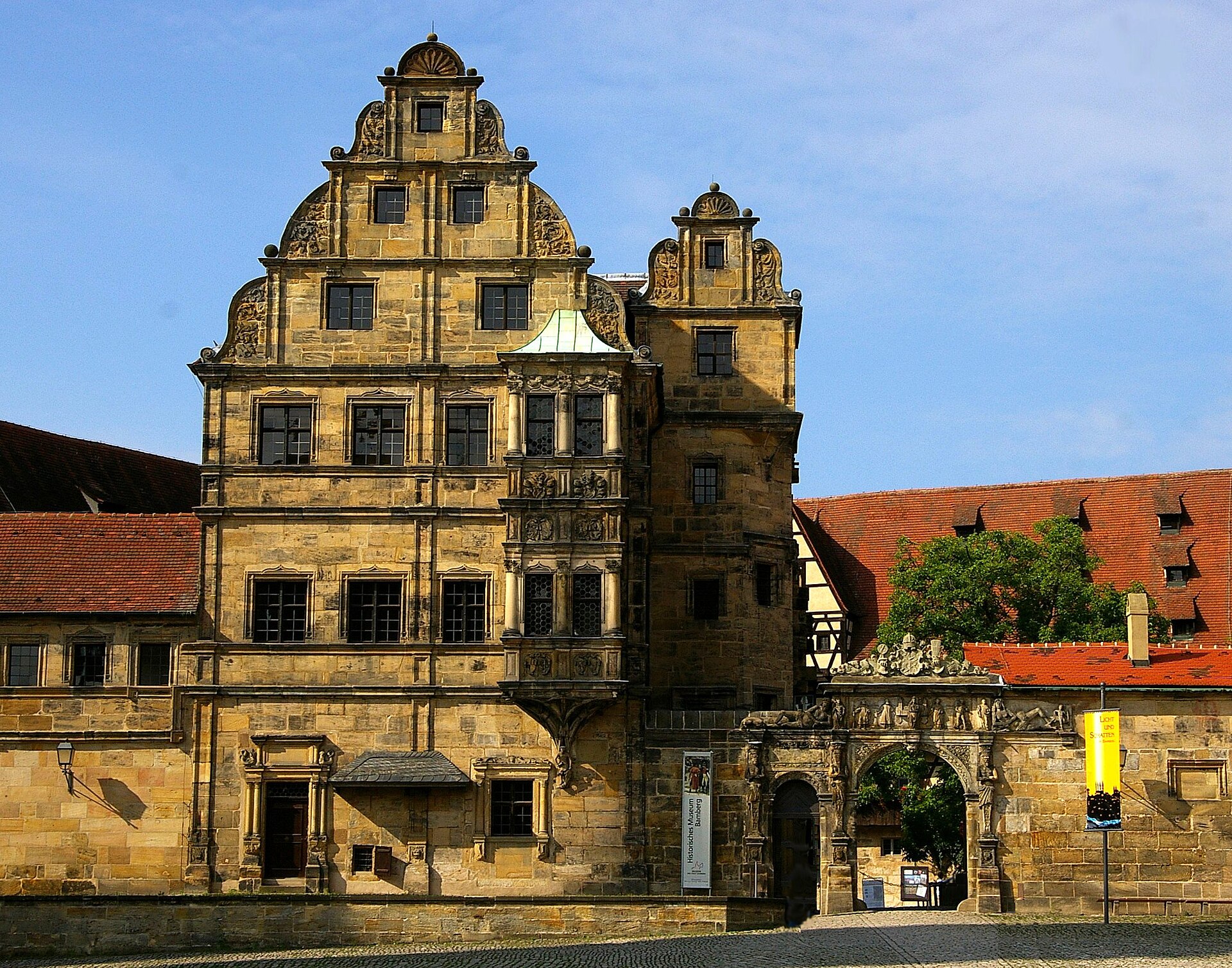
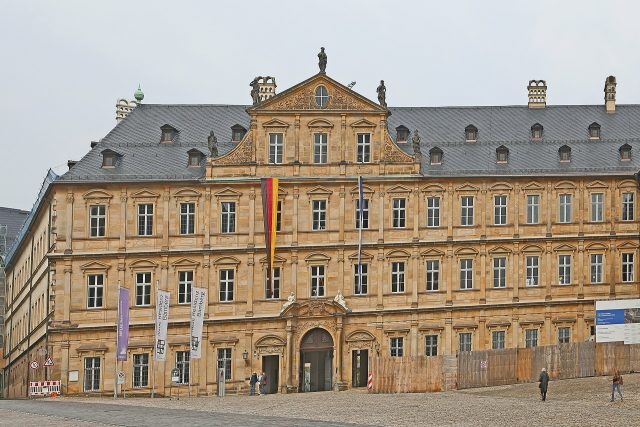
Bamberg is a city where history isn’t just preserved in museums—it lingers in the worn cobblestones, the curve of a medieval alley, the way the Regnitz River reflects the old town’s spires. The Historical Museum of Bamberg is one of those rare places where the weight of time feels almost tangible. Housed in a former bishop’s palace from the late 16th century, the building itself is part of the story. Back then, Bamberg was a powerful religious and political center in the Holy Roman Empire, and the palace’s heavy oak doors, vaulted ceilings, and grand staircases still carry the echoes of an era when prince-bishops ruled the city, their authority etched into every stone.
What makes this museum different is its focus. It doesn’t try to cover all of Bavaria or even Germany—it’s entirely about Bamberg. There are no dry timelines or impersonal facts here. Instead, the exhibits unfold like layers of sediment, each one revealing a piece of the city’s life. The collection begins with the earliest settlers, the Celts and Romans, whose coins, tools, and household items hint at a time when this land was just another outpost on the edge of empire. But the real heart of the museum lies in the Middle Ages, when Bamberg flourished. Manuscripts, church treasures, weapons, and armor share space with everyday objects: clay pots, jewelry, even the kind of finely crafted belt buckles that once signaled a merchant’s wealth.
One of the most striking displays is a reconstruction of a medieval scriptorium. In an age before printing presses, Bamberg was known for its scribes, who painstakingly copied and illuminated manuscripts by hand. Some of the most famous works, like the Bamberg Apocalypse, now reside in other collections, but the museum preserves fragments and replicas that give a sense of the meticulous labor behind them. Nearby, tools of the trade—ink pots, quills, binding equipment—lie arranged as if the scribe just stepped away for a moment. The different scripts on display, each tied to a particular monastery or workshop, show how writing itself was an art form.
The museum also explores Bamberg’s later history, when the city weathered the Reformation, the devastation of the Thirty Years’ War, and the upheavals of secularization. Documents, seals, and coins trace these changes, but some of the most vivid exhibits focus on the city’s brewing tradition. Bamberg has long been famous for its beer, and the museum delves into how this craft evolved over centuries. Old brewing logs, wooden casks, and ornate beer steins tell the story of an industry that shaped the city’s identity. The smoky rauchbier, still brewed today using traditional methods, is a living link to that past, a reminder of how deeply beer culture was woven into Bamberg’s daily life.
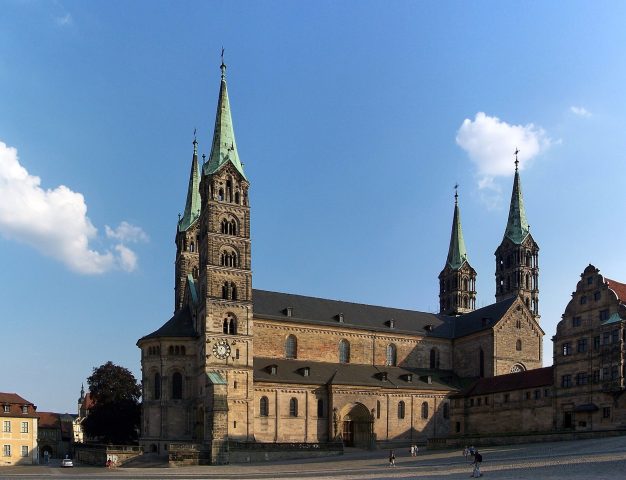
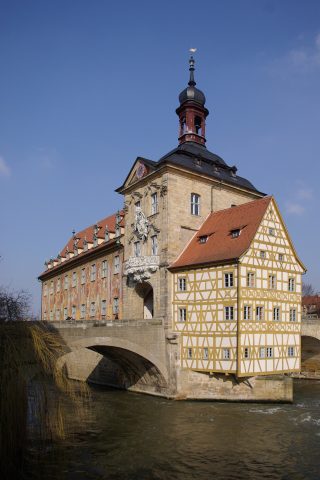
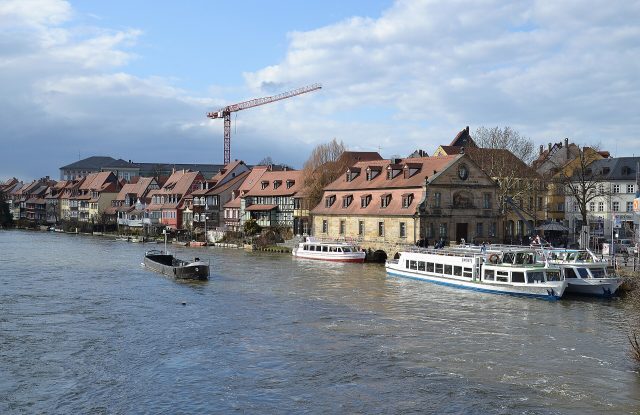
Architecture is another major theme. Bamberg is often called the "German Venice" for its canals and bridges, but its true glory lies in its old town, a UNESCO World Heritage site. The museum’s models of key buildings—from the Romanesque cathedral of St. Peter and St. George to the baroque palaces and half-timbered houses—offer a way to see the city as it once was. A particularly impressive model recreates medieval Bamberg, showing how the streets and structures looked before centuries of renovations. The exhibits also highlight the architects who shaped the city, from Gothic masons to neoclassical designers, and how each era left its mark on Bamberg’s skyline.
Yet the museum isn’t just about looking backward. Temporary exhibitions often explore new discoveries—recent archaeological finds, ongoing restoration projects, or fresh interpretations of old records. Occasionally, there are workshops where visitors can try their hand at medieval calligraphy or learn to identify architectural styles. For those who want to dig deeper, the museum’s library holds rare books and documents, a quiet resource for researchers and history enthusiasts alike.
Walking through the Historical Museum of Bamberg feels less like a tour and more like stepping into a different rhythm of time. There are no flashy interactive displays or digital recreations—just the quiet hum of history in the air, the scent of aged wood and paper, the sense that every object has a story to tell. It’s not the kind of place that draws crowds, and perhaps that’s part of its charm. The museum doesn’t shout for attention; it simply waits for those who are willing to listen. After a visit, it’s easier to understand why Bamberg feels the way it does—a city where the past isn’t just remembered, but still very much alive.