York Art Gallery is a place where art isn’t just displayed—it lingers alongside the city’s history. Housed in a building that dates to the 19th century, the gallery stands in the heart of York. High ceilings and large windows filter the soft northern light, creating spaces where paintings and sculptures rest as if they’ve always belonged.
The gallery opened in 1879, created by local patrons and artists who wanted to make art accessible. Over the decades, its collection has grown, holding works spanning British art from the Middle Ages to the present, alongside European pieces. A particular strength lies in the works of Yorkshire artists—those who captured the landscapes, villages, and skies of northern England.
One of the gallery’s most celebrated figures is William Etty, a York native known for his historical and mythological paintings. His canvases, rich in color and movement, contrast with the more subdued tones of local landscape artists, who rendered the Yorkshire Dales or the River Ouse. The gallery also features works by the Pre-Raphaelites, whose detail and symbolism draw visitors.
Temporary exhibitions bring in contemporary artists, photographers, and sculptors, sometimes showcasing established names, other times emerging voices. These shows keep the space active, letting art speak for itself, even when old and new works stand side by side.
The gallery fits into York’s streets, where medieval buildings and centuries-old pubs line the paths. After visiting, you might walk those same streets, climb the city walls, or pause in a courtyard. The gallery hosts talks, workshops, and artist meet-ups, offering ways to engage with the works on display.
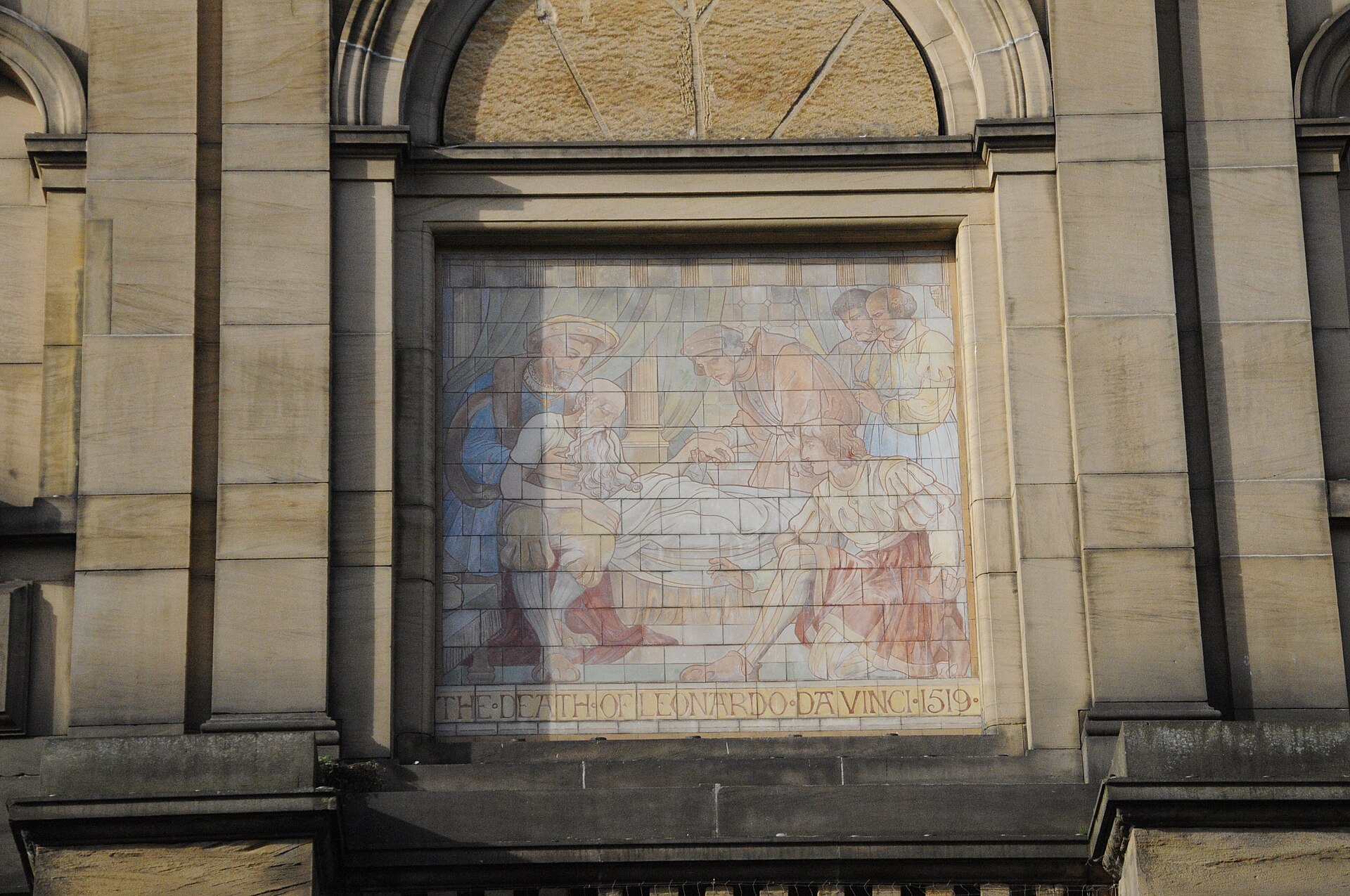
The building’s facade is adorned with sculptures and decorative details. Inside, some original Victorian features remain—ornate moldings, fireplaces, wood paneling—creating an atmosphere that feels both grand and intimate. There’s no formality here, no sense of art being locked away. Instead, the gallery feels like part of the city’s rhythm, a place where people come to linger and think.
This isn’t a museum in the traditional sense. There’s no distance between the visitor and the art. The gallery’s charm lies in its accessibility—whether you’re an art lover or someone who rarely visits galleries, there’s room to simply be here, to notice how the light shifts or how others pause in front of a piece.
The collection surprises. A classical portrait might hang near a contemporary piece, creating a dialogue between eras. Some works make you smile, others make you pause, and a few challenge what you thought about art. The gallery doesn’t impose a single narrative—it lets you wander, letting the art reveal itself.
York is a place where history and modernity coexist, and the gallery acts as a bridge between them. You might spend the morning here, then step outside to find the same landscapes that inspired artists centuries ago—now alive with the sounds of the city. The gallery doesn’t just show you art. It shows you how art is everywhere, if you know how to look.