Jastrzębie-Zdrój is one of those Polish towns that doesn’t reveal itself at first glance but lingers in memory long after you leave. Tucked away in the southern part of Silesia, where rolling foothills give way to dense forests, it sits at the edge of the Beskidy Mountains, a place where the past and present coexist quietly. There are no crowded tourist trails here, no grand monuments clamoring for attention. Instead, the town offers something far more subtle: the scent of pine in the air, the unhurried rhythm of provincial life, and a history shaped by generations of hard work—first in the mines, then in the slow healing that followed.
The story of Jastrzębie-Zdrój begins with small villages scattered across the hills, where people lived off the land and the forest for centuries. That changed in the late 19th century, when rich coal deposits were discovered beneath the soil. Almost overnight, the quiet countryside was transformed. Railways snaked through the valleys, mineshafts pierced the earth, and workers’ settlements sprang up around them. The town became a vital part of Silesia’s industrial heartland, drawing miners from across Poland and beyond. Life here was tough, but it forged a tight-knit community where labor was both a necessity and a point of pride. The legacy of those years is still visible in the faces of older residents, in the stories they tell, and in the sturdy brick houses that once sheltered generations of miners.
By the late 20th century, the coal industry that had defined Jastrzębie-Zdrój for decades began to fade. Mines closed one after another, leaving behind empty industrial zones and a town forced to reinvent itself. But rather than becoming another forgotten post-industrial relic, it found a new purpose. The same land that had yielded coal also held mineral waters and therapeutic muds, long known to locals for their healing properties. Gradually, the town shifted from extraction to restoration, becoming a destination for those seeking relief from ailments of the joints, respiratory system, and nerves. Modern sanatoriums and spa hotels now stand where factories once hummed, blending contemporary comforts with traditional treatments. The transition hasn’t been seamless—some scars of the past remain—but the town has managed to carve out a new identity, one rooted in wellness rather than industry.
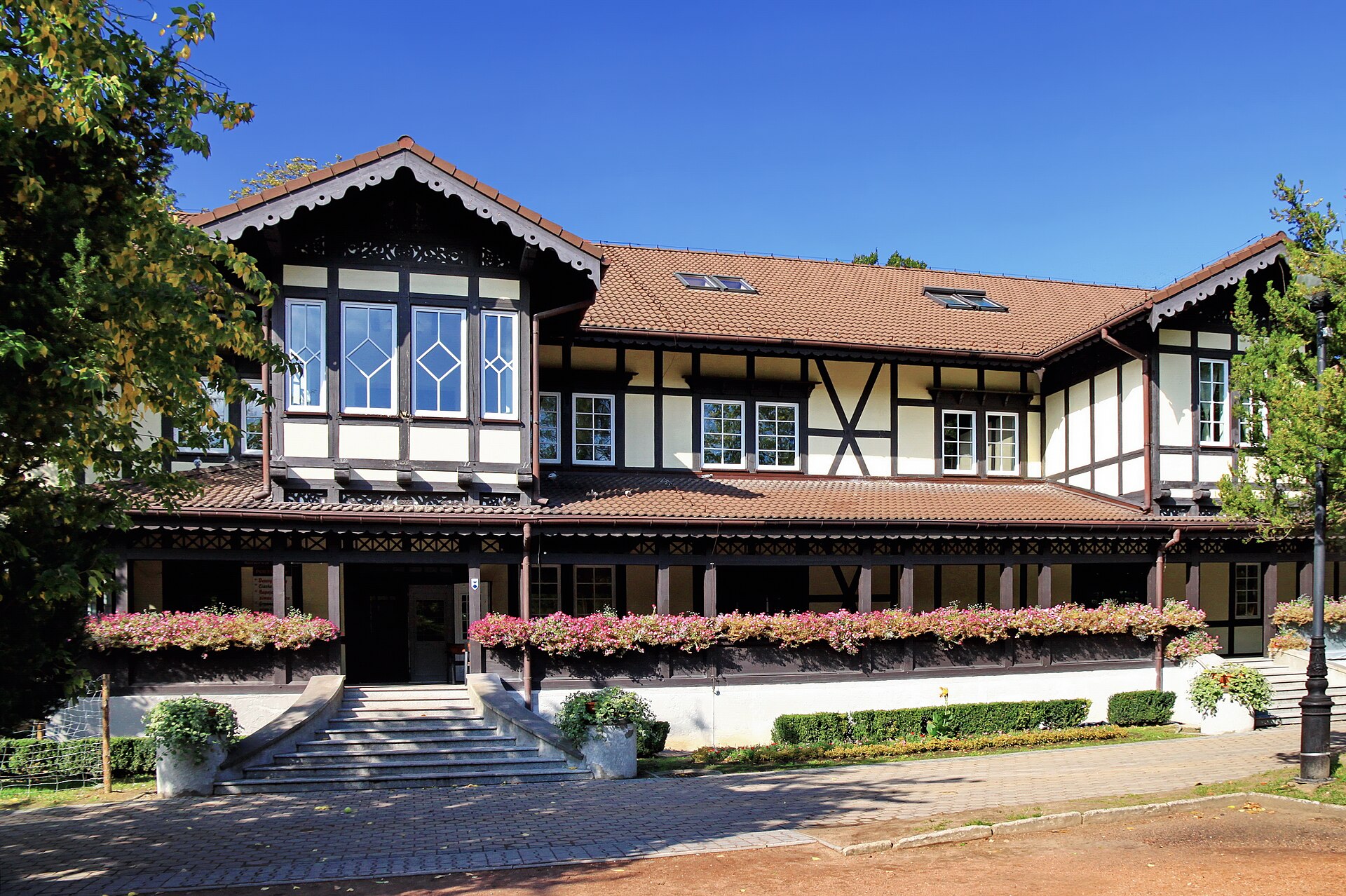
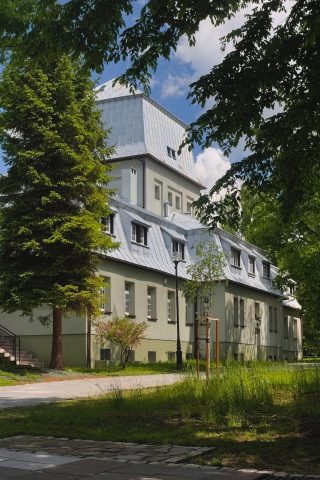
The architecture of Jastrzębie-Zdrój tells its own layered story. In the center, you’ll find rows of early 20th-century houses, their brick facades and steep roofs typical of workers’ settlements of the era. Some bear traces of ornamentation—delicate stucco or wrought-iron balconies—hints of the pride people took in their homes despite the harshness of their lives. Later, during the socialist period, uniform apartment blocks rose on the outskirts, their utilitarian design a stark contrast to the older buildings. More recently, sleek glass-fronted hotels and spa complexes have appeared, their minimalist lines signaling the town’s new direction. The effect isn’t jarring; instead, the different eras seem to coexist naturally, as if the town is still deciding what it wants to be.
Nature is perhaps the town’s greatest asset. Jastrzębie-Zdrój is surrounded by forests that stretch for miles, offering solitude to anyone willing to wander off the main roads. Nearby, several lakes have formed in the hollows of abandoned quarries, their waters so clear they’ve earned nicknames like the "Silesian Sea." The largest, Lake Goczałkowice, is a popular spot for swimming and boating in summer, while in winter, its frozen shores take on a quiet, almost magical beauty. The Beskidy Mountains begin just beyond the town, crisscrossed with hiking and cycling trails that range from gentle walks to challenging climbs. Even those who prefer to stay close to town can find short routes leading to viewpoints overlooking the valleys, where the landscape unfolds in shades of green and gold, depending on the season.
Life here moves at its own pace. Mornings often begin at the local market, where farmers sell fresh produce and homemade preserves. By midday, the scent of traditional Silesian dishes—thick soups with dumplings, hearty stews with cabbage—fills the air in small cafés. Evenings are for leisurely strolls through the parks, where children play under the shade of old linden trees and neighbors stop to chat on benches. There’s no rush, no need to perform for visitors. The town doesn’t offer grand spectacles or luxury, but that’s precisely what makes it feel authentic. The people here remember when coal was king, and they’ve watched as nature slowly reclaims the land once dominated by industry. That duality—between past and present, between human effort and the natural world—gives Jastrzębie-Zdrój its quiet charm.
For those curious about the town’s history, a few small museums offer glimpses into its past. One focuses on the lives of miners, with exhibits that include old tools, photographs, and personal items, as well as models of underground tunnels. Another traces the evolution of the town’s spa traditions, showing how healing practices have changed over the decades. But you don’t need a museum to feel the weight of history here. It’s in the names of the streets, in the architecture, in the way older residents talk about the town’s transformation. Even the landscape tells a story—of industry’s rise and fall, of nature’s persistence, of a place that has had to adapt again and again.
Jastrzębie-Zdrój isn’t a destination for those seeking excitement or glamour. It’s a place for travelers who appreciate stillness, for those who want to step off the beaten path and experience a side of Poland that most tourists never see. Here, you can spend days wandering through forests, breathing in the crisp mountain air, and watching how the seasons reshape the land. If you’re lucky, you might strike up a conversation with a local—someone who remembers the mines, who’s seen the town change, and who can tell you why this unassuming place, with all its contradictions, feels like home. It’s not perfect, but that’s part of its appeal. In a world that often feels too polished, too hurried, Jastrzębie-Zdrój offers something rare: a sense of real life, unfolding at its own pace.