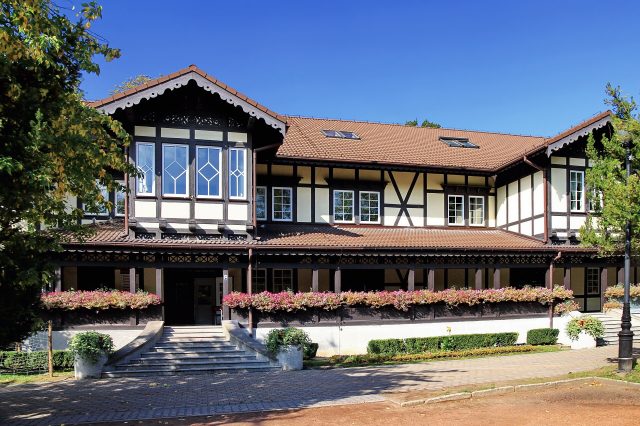
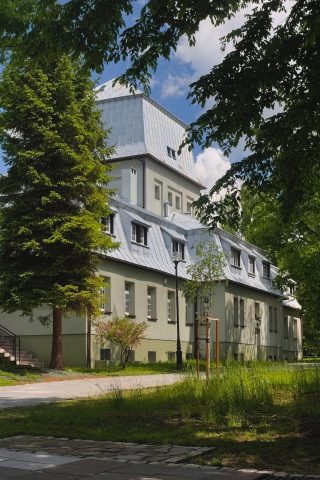
The Municipal Museum of Jastrzębie-Zdrój offers a quiet but revealing look at the history of a small Silesian town, not through grand events or famous figures, but through the everyday lives of its people—their labor, struggles, and the slow transformations that shaped the place over centuries. Housed in a stately building that once belonged to local industrialists, the museum itself is a piece of history. The architecture, typical of the late 19th and early 20th centuries, speaks of a time when wealth and industry were changing the region. High ceilings, ornate plasterwork, and large windows fill the rooms with light, while the heavy wooden staircases and intricate details hint at the lives of those who once walked these halls—people whose fortunes were tied to the coal mines that defined the area.
Jastrzębie-Zdrój wasn’t always the town it is today. In the mid-1800s, it was little more than a cluster of villages surrounded by forests and farmland, where life moved at the pace of the seasons. That changed when coal was discovered beneath the earth. By the end of the century, mines had sprung up, along with worker settlements, railways, and factories. The town grew rapidly, but unevenly—opulent villas of mine owners stood in stark contrast to the modest homes of miners, while narrow streets filled with people drawn by the promise of work. The museum captures this tension, showing how wealth and poverty, tradition and progress, existed side by side in a place that was constantly reinventing itself.
The museum’s exhibits are divided into sections, each telling a different part of the story. One room focuses on the lives of miners, with tools, lamps, and photographs that bring their harsh working conditions to life. Documents detail strikes and protests, as well as the tragedies that too often marked life underground—methane explosions, collapses, and the lives lost in the pursuit of coal. These artifacts don’t just preserve the past; they remind visitors of the human cost behind the town’s growth.
Another section is dedicated to the town’s elite—the mine owners, factory bosses, and merchants who shaped its early development. Here, visitors can see the furniture, tableware, and personal belongings of wealthy families, arranged to reflect the changing tastes of the era. The shift from heavy Victorian styles to the lighter, almost Art Nouveau designs of the early 1900s is subtle but noticeable. These rooms feel like a glimpse into another world, one where Jastrzębie-Zdrój was more than just a mining town—it was a place where German, Polish, and Austrian influences mingled, creating a unique cultural blend.
The post-World War II period is covered in a separate exhibit, a time when the town became part of Poland and faced new challenges. The population changed, industries were restructured, and the town had to adapt. The museum shows how people navigated these shifts, holding onto traditions while embracing new realities. Old newspapers, photographs, and everyday objects—school notebooks, tools, household items—paint a picture of life in transition, when the old ways were fading but the future was still uncertain.
One of the museum’s most compelling collections is its ethnographic display, which explores Silesian culture before industrialization. Traditional costumes, embroidery, musical instruments, and religious artifacts reveal the customs and beliefs of the region’s earlier inhabitants. Visitors can see handmade Christmas decorations, wedding attire, and instruments played at local festivals, all of which create a sense of connection to the people who lived here long before the mines arrived. These objects tell a story of resilience, of a culture that persisted even as the world around it changed.
Beyond its permanent exhibits, the museum regularly hosts temporary displays on a variety of topics—from the history of individual mines to the work of local artists. Lectures, discussions with historians, and firsthand accounts from former miners add depth to the experience, making the past feel immediate and personal. For younger visitors, interactive workshops offer hands-on learning, whether it’s trying out blacksmithing or writing with a quill pen. These events keep the museum from feeling like a static archive, turning it into a place where history is not just observed but experienced.
Visiting the Municipal Museum of Jastrzębie-Zdrój is more than just a lesson in local history—it’s a chance to reflect on how the town’s identity was shaped. There are no legendary battles or world-famous names here, just the quiet, enduring story of ordinary people: their work, their dreams, and the hardships they endured. Today, as the town moves away from its coal-dependent past, the museum serves as a bridge between what was and what might be. It’s not just a collection of artifacts, but a place where the past and present meet, offering a deeper understanding of where Jastrzębie-Zdrój has been—and where it might go next.